
Related Articles






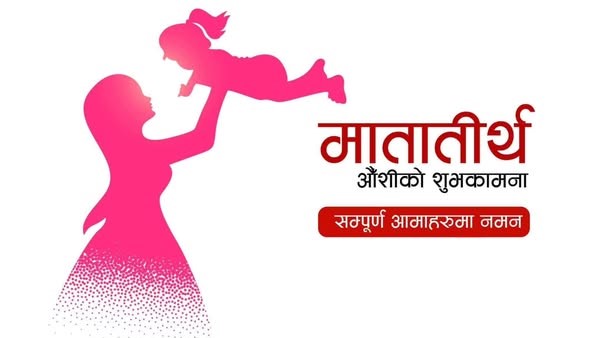
Mother’s Day in Nepal 2026: A Deeply Emotional Celebration of Love and Gratitude
Mother’s Day in Nepal is not just a celebration—it is an emotional and spiritual experience that connects families, memories, and traditions. Known as Mata Tirtha Aunsi or more affectionately as Aama ko Mukh Herne Din, this special day honors mothers in the most heartfelt way.
In 2026, this festival falls on April 17 (Baisakh 4, 2083 BS), marking a day when people across Nepal express gratitude, love, and remembrance for their mothers—both living and departed.
What Makes Mother’s Day in Nepal Unique?
Unlike the globally celebrated Mother’s Day, which follows a fixed calendar, Nepal’s version is based on the lunar cycle. It is observed on the new moon day (Aunsi) of Baisakh, making it spiritually significant.
The name itself carries deep meaning:
- Mata means mother
- Tirtha means sacred place
Together, it symbolizes that a mother is as sacred as a pilgrimage site.
Aama ko Mukh Herne Din: A Day to See Your Mother

The phrase Aama ko Mukh Herne Din literally means “the day to see your mother’s face.” It reflects a simple yet powerful message—spend time with your mother and appreciate her presence.
On this day, children visit their mothers with gifts, sweets, and favorite foods. Many touch their mother’s feet as a sign of respect and receive blessings in return. Homes are filled with warmth, laughter, and emotional moments.
Honoring Mothers Who Have Passed Away
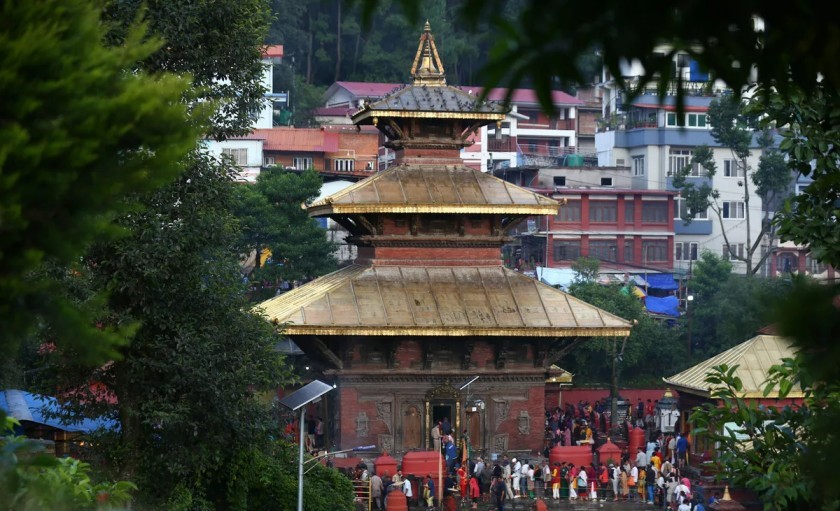
For those whose mothers are no longer alive, the day holds a different kind of meaning. Many people visit the sacred Mata Tirtha Temple, located near Kathmandu.
Here, devotees:
- Offer prayers and food (Shraddha)
- Light oil lamps
- Take holy baths in the pond
It is believed that on this day, one can spiritually connect with their departed mother, making it a deeply emotional ritual.
Traditions and Celebrations Across Nepal
Mother’s Day in Nepal is celebrated in both joyful and spiritual ways:
- Families gather for special meals
- Mothers receive gifts, clothes, and sweets
- Children express gratitude through words and gestures
- Temples and pilgrimage sites become crowded with devotees
The day beautifully blends celebration and remembrance, allowing people to express love, grief, and gratitude all at once.
How It Differs from International Mother’s Day
Globally, Mother’s Day is often marked with gifts and celebrations. However, in Nepal, the festival goes beyond material expressions. It is deeply rooted in culture, emotion, and spirituality.
While countries like the United States celebrate it on the second Sunday of May, Nepal’s observance is more traditional and meaningful, focusing on respect and blessings rather than just celebration.
Cultural Significance
Mother’s Day in Nepal highlights the importance of mothers as the foundation of family and society. It is believed that honoring one’s mother brings blessings, happiness, and prosperity.
This festival reminds people to value their mothers not just for one day, but throughout their lives.
Mata Tirtha Aunsi is more than just a festival—it is a reflection of Nepal’s deep-rooted respect for motherhood. Whether through joyful family gatherings or silent prayers by a sacred pond, the day captures the true essence of love, gratitude, and remembrance.
In a fast-moving world, this beautiful tradition reminds us to pause, look at our mother’s face, and appreciate everything she represents.
React to this post
Related Articles




 Best Gaming, 4K, & Budget Displays.png)