Related Articles

Nepal Travel Tips: What You Should Know Before You Go
Nepal is one of those rare destinations where natural beauty, spirituality, and adventure come together in a powerful way. From the towering Himalayas to ancient temples and peaceful villages, traveling here can be both exciting and deeply meaningful. However, to make the most of your trip, it’s important to be well-prepared before you arrive so you can avoid common mistakes and travel smoothly across the country.
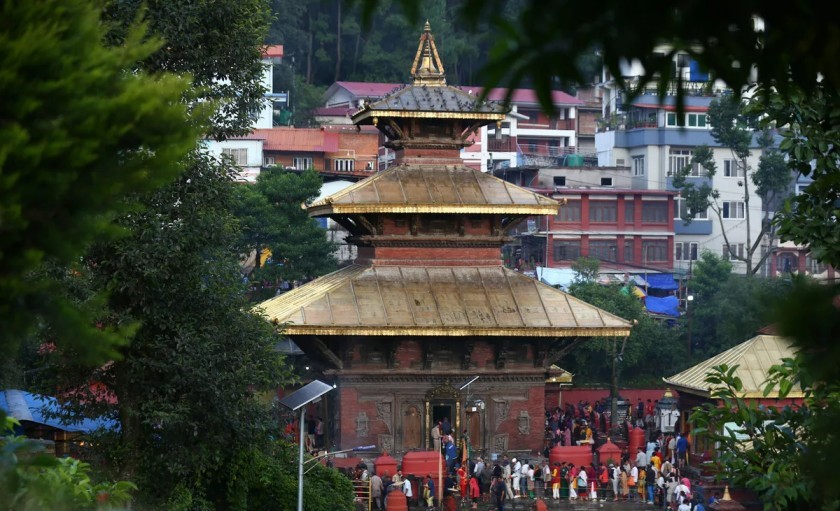
When planning your journey, it helps to understand the country’s cultural and religious diversity, especially since many travelers visit not only for trekking but also for spiritual exploration. Many itineraries include visits to important spiritual landmarks, and understanding sacred sites by religion can help you appreciate the deeper meaning behind temples, monasteries, and pilgrimage destinations across Nepal.
1. Best Time to Visit Nepal
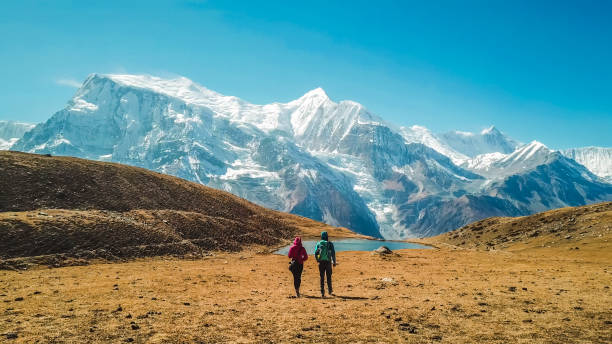
The best time to visit Nepal is during autumn (September to November) and spring (March to May). These seasons offer clear skies, pleasant temperatures, and ideal trekking conditions. Winter can be cold in the mountains, while the monsoon season (June to August) brings heavy rain and slippery trails.
If you're planning trekking routes like Everest Base Camp or Annapurna Circuit, always aim for the pre-winter or post-winter seasons for the safest and most scenic experience.
2. Understand Entry Requirements and Visas
Most travelers can get a visa on arrival at Tribhuvan International Airport in Kathmandu. Make sure your passport is valid for at least six months. You’ll also need passport-sized photos and visa fees in cash.
It’s a simple process, but during peak travel season, queues can be long, so arriving prepared saves time and stress.
3. Pack Smart for Nepal
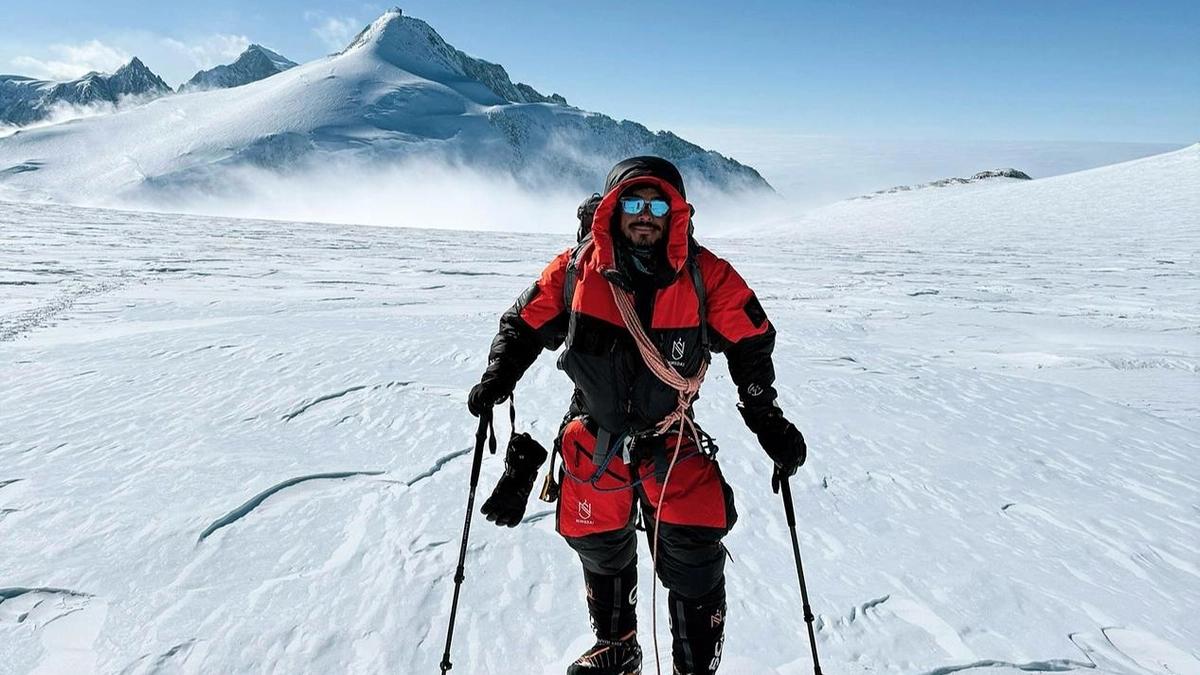
Packing depends on your travel plans. If you’re trekking, bring layered clothing, a good-quality jacket, hiking boots, and a first-aid kit. For city travel in places like Kathmandu or Pokhara, comfortable casual wear is fine.
Other essentials include:
-
Power bank (electricity cuts can happen in remote areas)
-
Reusable water bottle
-
Sunscreen and sunglasses
-
Basic medications
4. Be Ready for Altitude Changes
If you’re heading to high-altitude destinations like the Himalayas, altitude sickness is something to take seriously. Ascend slowly, stay hydrated, and avoid overexertion.
Take rest days during treks and listen to your body. If symptoms like headaches or nausea appear, descend immediately.
5. Respect Local Culture and Traditions
Nepal is a deeply cultural and spiritual country. Dress modestly when visiting temples and monasteries. Always remove your shoes before entering religious sites, and avoid touching sacred objects without permission.
Photography rules may vary, so always ask before taking pictures, especially in religious or rural areas.
6. Transportation Can Be Challenging
Road conditions in Nepal can be unpredictable, especially outside major cities. Domestic flights are common for long distances, while buses and private jeeps are used for road travel.
Be prepared for delays, and always allow extra travel time when moving between destinations.
7. Currency and Budgeting Tips
The local currency is the Nepalese Rupee (NPR). ATMs are available in cities, but cash is essential in rural areas.
Nepal can be very budget-friendly, but trekking tours, permits, and guides can increase costs. Always plan your budget according to your travel style.
8. Internet and Connectivity
Wi-Fi is widely available in cities and tourist areas, but can be slow in remote regions. Buying a local SIM card upon arrival is a good option for staying connected during your trip.
9. Safety and Travel Insurance
Nepal is generally safe for tourists, including solo travelers. However, travel insurance is highly recommended, especially if you plan trekking or adventure activities.
Make sure your insurance covers high-altitude trekking and emergency evacuation if needed.
10. Final Travel Tip
The key to enjoying Nepal is flexibility. Weather changes, transport delays, and unexpected situations are part of the experience. Embrace the journey, and you’ll discover one of the most beautiful and spiritually rich destinations in the world.
Whether you're exploring ancient cities, trekking through the Himalayas, or visiting sacred temples, Nepal offers experiences that stay with you long after your trip ends.
React to this post
Related Articles