
Related Articles



Tihar Festival in Nepal: The Festival of Lights, Gratitude, and Togetherness
Tihar, also known as Yama Panchak or the Festival of Lights, is one of Nepal's most important and beautiful festivals. Celebrated over five days, Tihar is a time of joy, family reunions, gratitude, and cultural traditions. Homes and streets across the country come alive with colorful lights, oil lamps, rangoli designs, flowers, music, and festive celebrations. The festival symbolizes the victory of light over darkness, hope over despair, and love over hatred.
Unlike many festivals that focus on a single event, Tihar is unique because each day is dedicated to honoring different animals, prosperity, and the strong bonds shared among family members. The festival reflects Nepal's rich cultural heritage and the belief that humans, animals, and nature are deeply connected.
The Five Days of Tihar
Day 1: Kaag Tihar (Crow Worship)
The festival begins with Kaag Tihar, where crows are offered food and respect. In Hindu tradition, crows are considered messengers, and honoring them is believed to bring peace and help avoid misfortune.
Day 2: Kukur Tihar (Dog Worship)
One of the most well-known days of Tihar is Kukur Tihar. Dogs are decorated with flower garlands, tika, and offered delicious food in appreciation of their loyalty, protection, and companionship. Both pet and stray dogs are honored, making this tradition admired around the world.
Day 3: Gai Tihar and Laxmi Puja
The third day is dedicated to cows, which symbolize prosperity and nourishment. In the evening, families celebrate Laxmi Puja, worshipping Goddess Laxmi, the deity of wealth and prosperity. Homes, businesses, and temples are cleaned and beautifully decorated with oil lamps, candles, flowers, and colorful rangoli to welcome the goddess. Many people also illuminate their homes with decorative lights, creating a magical atmosphere across Nepal.
Day 4: Govardhan Puja / Mha Puja
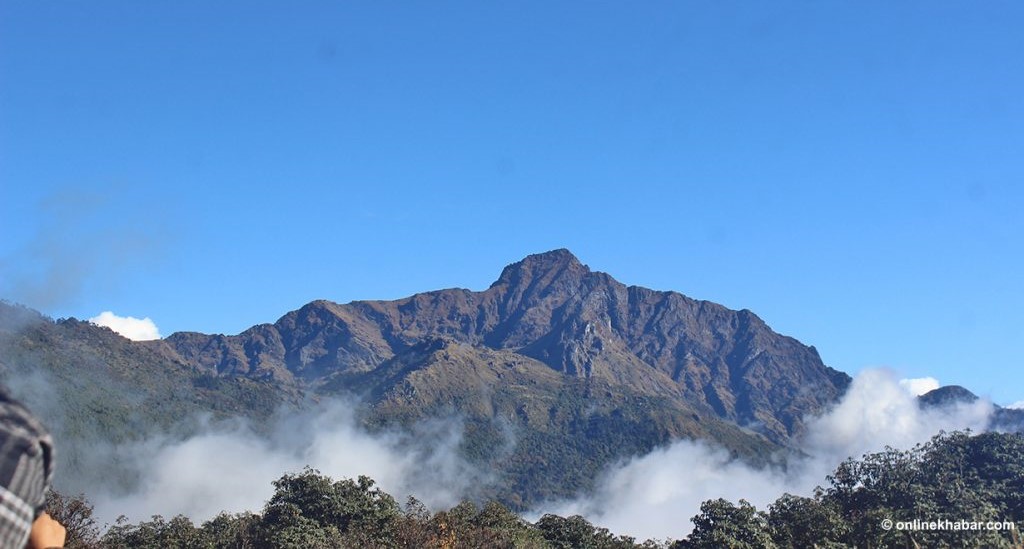
The fourth day varies depending on communities and traditions. Many people observe Govardhan Puja, worshipping oxen and the Govardhan mountain, while the Newar community celebrates Mha Puja, a unique ceremony dedicated to self-purification, self-respect, and personal well-being. It also marks the beginning of the Nepal Sambat New Year for the Newar community.
Day 5: Bhai Tika
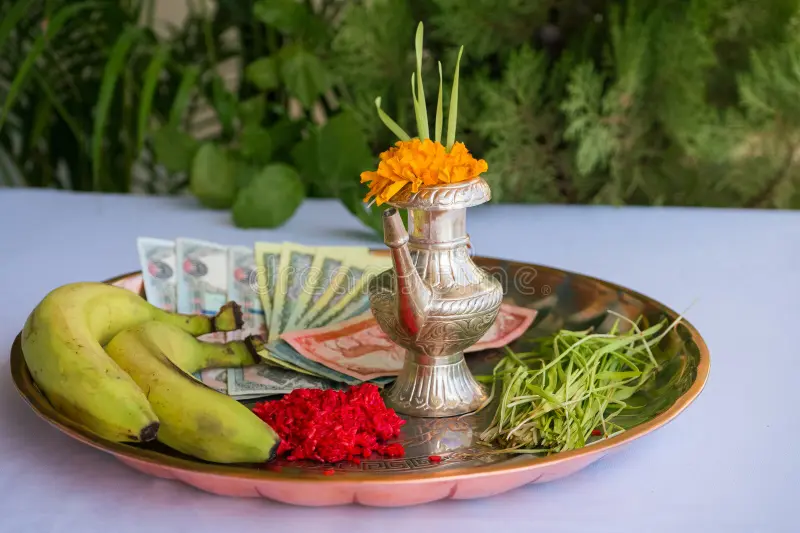
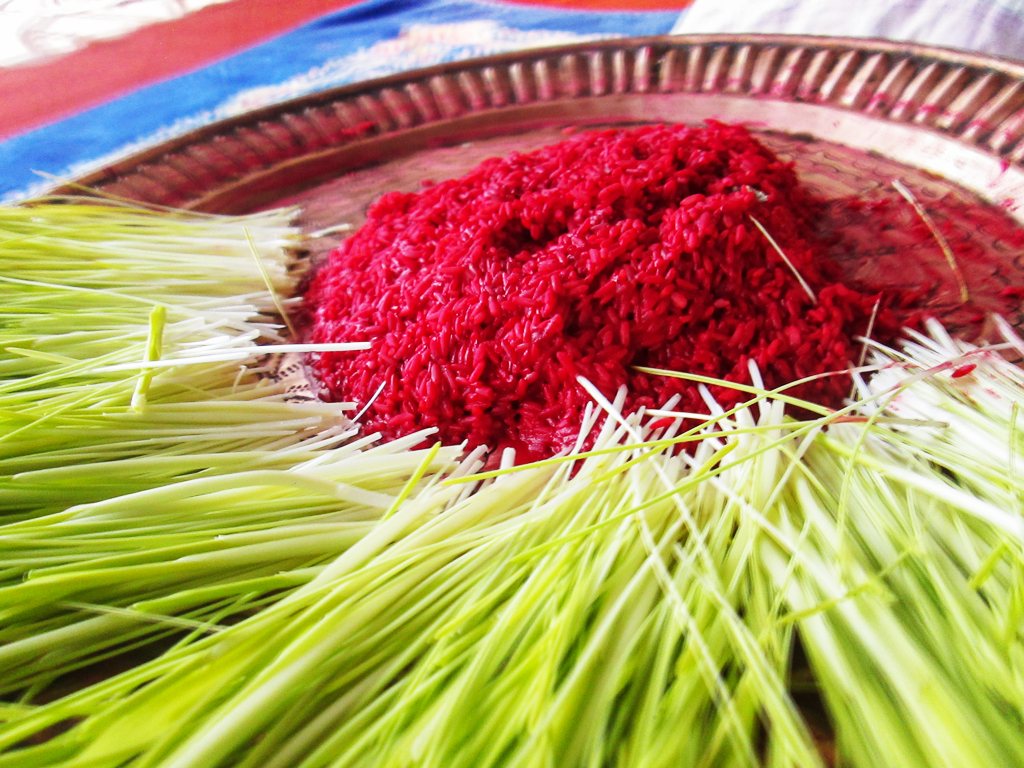
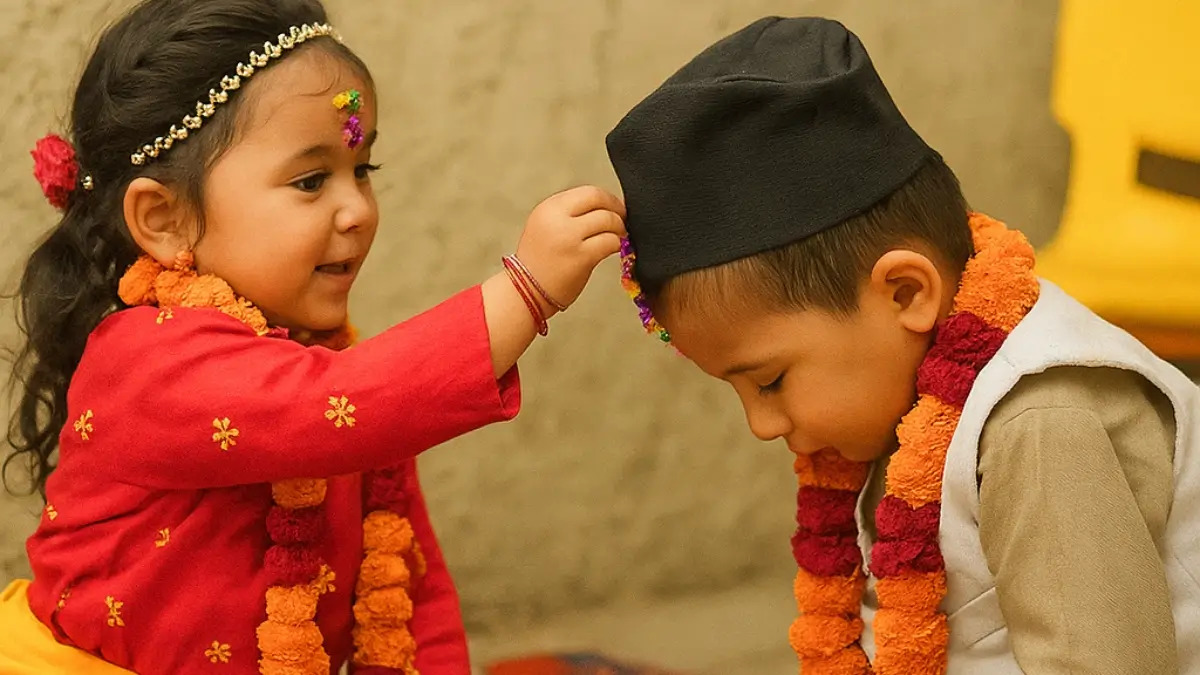
The final and most emotional day is Bhai Tika, celebrating the lifelong bond between brothers and sisters. Sisters apply a colorful seven-colored tika to their brothers, offer flower garlands, sweets, fruits, and blessings for a long, healthy, and prosperous life. Brothers, in return, give gifts and promise to support and protect their sisters. Families gather to celebrate, making it one of the most anticipated days of the festival.
Deusi and Bhailo
A major highlight of Tihar is the tradition of Deusi and Bhailo. Groups of children and young people visit homes singing traditional songs, dancing, and offering blessings for happiness and prosperity. Homeowners welcome them with food, sweets, fruits, and monetary gifts. This tradition strengthens community relationships and preserves Nepal's rich cultural heritage.
Decorations and Festive Spirit
During Tihar, homes are thoroughly cleaned and decorated with marigold garlands, colorful rangoli patterns, candles, oil lamps (diyo), and electric lights. Markets become crowded with people shopping for flowers, decorations, gifts, sweets, clothing, and festive essentials. The warm glow of lights across neighborhoods creates one of the most beautiful sights of the year.
Cultural and Religious Significance
Beyond its colorful celebrations, Tihar teaches important values such as gratitude, compassion, respect, generosity, and family unity. Honoring animals reflects the belief that every living being has an important role in life. Worshipping Goddess Laxmi reminds people to value honesty, hard work, and prosperity earned through good deeds, while Bhai Tika emphasizes the enduring love and responsibility shared between siblings.
Why Tihar Remains Special
Tihar is more than just a religious festival—it is a celebration of relationships, kindness, and togetherness. Families reunite, relatives exchange gifts, communities celebrate through music and dance, and homes shine with lights that symbolize hope and positivity. The festival also attracts visitors from around the world who wish to experience Nepal's unique traditions and vibrant culture.
As Nepal celebrates Tihar each year, the festival continues to preserve centuries-old customs while bringing people of all generations together. Its message of gratitude, harmony, and love makes Tihar one of the country's most treasured festivals and an enduring symbol of Nepali culture.
React to this post
Related Articles