Related Articles


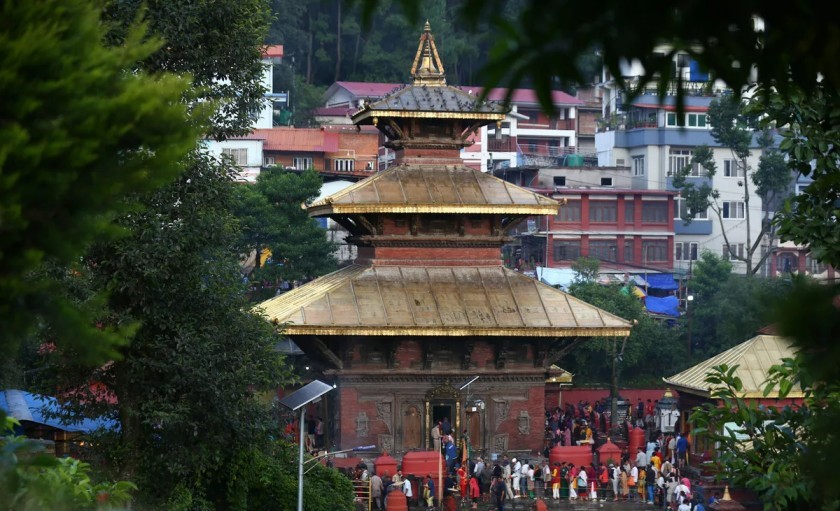
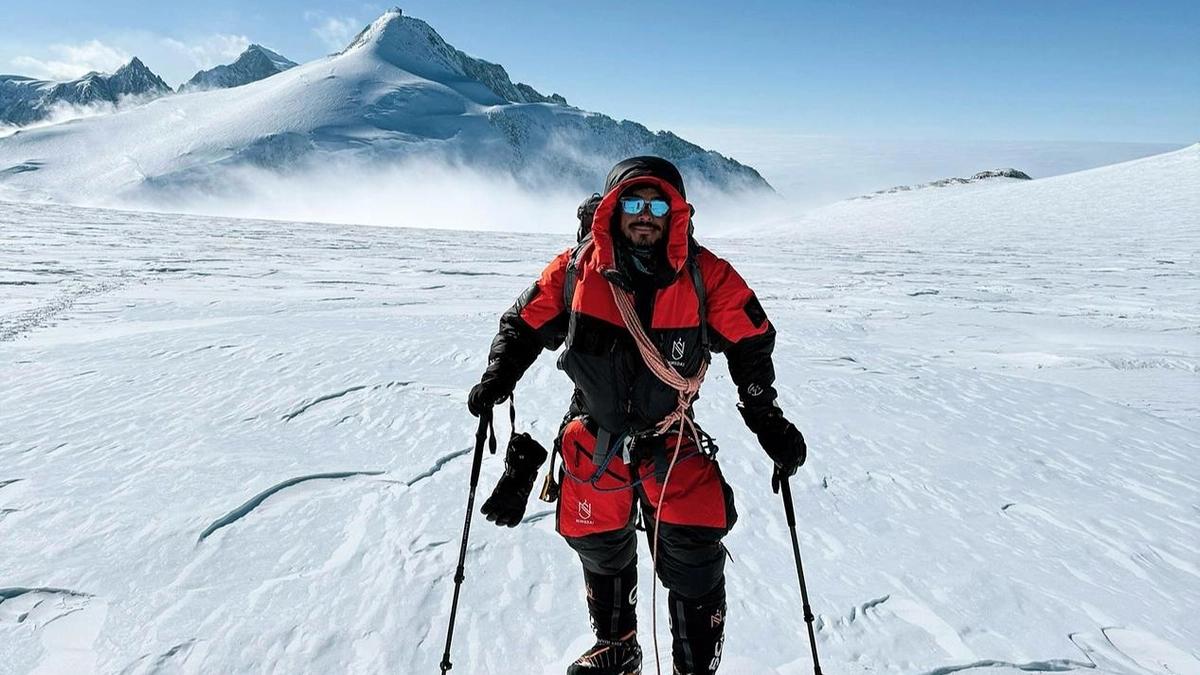

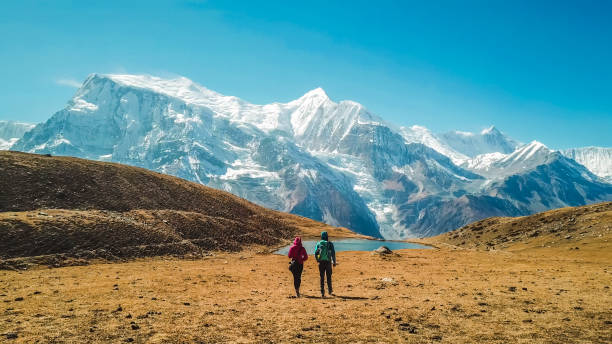

Mundhum Trail Trek to Silichung Peak A Journey Through Culture, Mountains and Rural Nepal
There are some trekking routes where the destination is only part of the experience. The Mundhum Trail in eastern Nepal is one of them.
Stretching through the hills of Khotang and Bhojpur, the trail takes trekkers through quiet forests, high mountain ridges, traditional settlements, grazing pastures, sacred ponds, rhododendron forests and remote homestays. More than a trekking route, it offers a close look at the culture and everyday life of the Kirat communities of eastern Nepal.
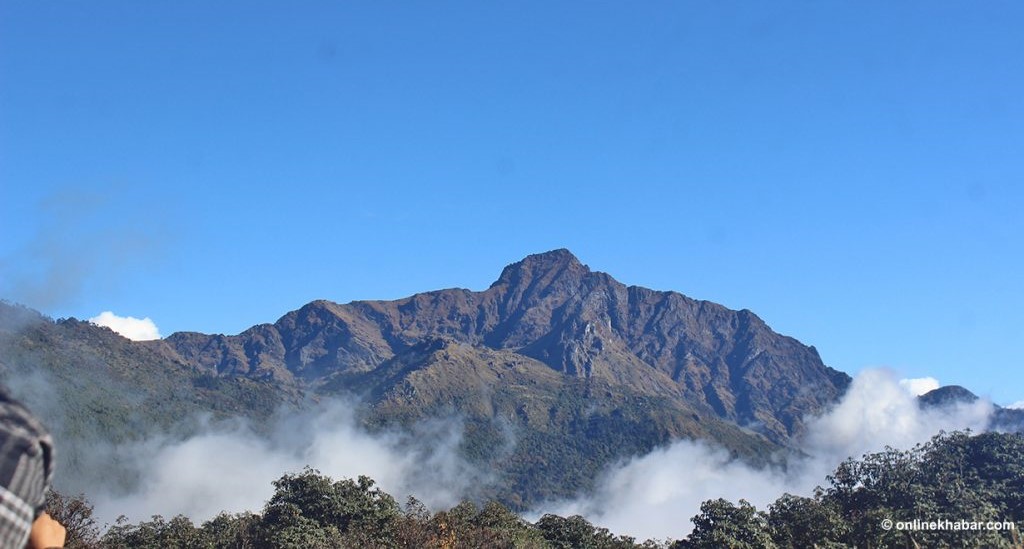
The highlight of the journey is Silichung Peak, a spectacular viewpoint where the boundaries of Bhojpur, Khotang, Solukhumbu and Sankhuwasabha meet in Koshi Province. From the summit, clear weather can reveal sweeping Himalayan views.
The Government of Nepal has included the Mundhum Trail among its 100 must-visit tourist destinations. For us, however, the trail was not simply a destination on a map. It was a journey we had been planning for a long time.
From Kathmandu to Chakhewa Bhanjyang
During the long Dashain holiday, we finally decided to turn our plan into reality.
We left Kathmandu early in the morning on a motorbike, heading toward Chakhewa Bhanjyang, the starting point of our trek. The roads were particularly busy because of Dashain, with many people travelling across the country to return home.
The heavy traffic and delays made the journey longer than expected. By around 10 p.m., we finally reached Chakhewa Bhanjyang and settled in for the night. We knew the real adventure would begin the following morning.
Day 1: Chakhewa Bhanjyang to Gurung Goth
We woke up early to a beautiful mountain morning. The sky was clear, and the first sunlight slowly spread across the green hills surrounding Chakhewa Bhanjyang. A thin layer of mist floated over the ridges.

The area was lively with domestic tourists taking photographs and recording videos. We joined them, capturing our own memories before having breakfast and beginning the walk toward Maiyung.
The trail gradually climbed higher. Every turn seemed to reveal another mountain landscape, so we frequently stopped for photographs.
Then the weather changed. Light rain became heavier, and we continued through the mist-covered forest wearing our raincoats.
By evening, we reached Gurung Goth Stay. The locals welcomed us warmly with traditional food and hot cow’s milk. Later, we sat around the fire, talking and laughing before heading to bed.
Day 2: Maiyung, Hans Pokhari and Baluate Bhanjyang
The second morning began with hot tea and fresh mountain air. We walked past grazing sheep and small herders’ shelters scattered across the hills. The landscape was peaceful and far removed from the busy city life we had left behind.

Clouds gradually gathered again, and rain began to fall. By noon, we reached Maiyung Bhanjyang and stopped for lunch. Once the rain stopped, the clouds cleared enough for us to see Hans Pokhari surrounded by green hills.
By evening, we entered thick rhododendron forests and reached Baluate Bhanjyang. Only a couple of huts stood on the ridge.
We stayed with Sampang Kanchha Rai, a local herder whose hospitality became one of the most memorable parts of the trip. We sat beside the fire, drank tea and listened to stories about mountain life, herding and cattle farming.
Day 3: A Steep Climb Through the High Pastures
We woke before sunrise on the third day. The temperature was cold, but we were excited. The route toward Laure Bhir included a challenging climb.
Seeing us struggle with our bags, Sampang Kanchha Rai kindly offered to carry some of our luggage. His simple gesture meant a lot to us.
After tea and warm milk, we left Baluate Bhanjyang at around 5:45 a.m. During the climb, we stopped at a smoky herder’s hut belonging to relatives of Sampang dai. Smoke slowly escaped through the roof, mixing with the morning mist.
After roughly five hours of climbing, we crossed Laure Danda. Sampang Kanchha Rai then returned toward his hut while we continued ahead.
The trail became easier, with gentle climbs and descents across high pastures. Because winter was approaching, many herders had already taken their animals down to lower elevations. We prepared noodles on our portable stove for lunch.
By evening, we reached Mabu, near Salpa Pokhari. Three of Prabin sir’s brothers joined us and helped with the journey. We stayed at one of the new homestays in the area and went to bed early because the next morning was our Silichung climb.
Day 4: The Climb to Silichung Peak
Our alarm rang at 3:30 a.m. Outside, the sky was still dark and filled with stars. We packed our cameras, snacks and essentials, switched on our headlamps and began climbing.
The trail was almost completely silent. The only sounds were our footsteps and occasional movements in the darkness.
As we gained altitude, dawn slowly approached. The first light appeared across the horizon, illuminating the surrounding mountains. We stopped several times to photograph the sunrise.
After approximately three hours of climbing, we finally reached Silichung Peak.
Silichung Peak: The Moment We Had Been Waiting For
The exhaustion disappeared almost instantly.
Standing at Silichung Peak and looking across the Himalayan range was an unforgettable experience. In clear conditions, the viewpoint offers spectacular views toward some of Nepal’s most famous mountains.
Mist moved across the valleys, sometimes covering the mountains completely and then suddenly opening to reveal the peaks again. Every time the clouds moved away, we reached for our cameras.
We sat there, ate our snacks and simply enjoyed the view. After days of walking through forests, rain, villages and steep mountain trails, standing above the clouds made every difficult section worthwhile.
Descending to Salpa Pokhari
The descent from Silichung was considerably easier. We returned toward Salpa Pokhari, one of the most beautiful and peaceful locations along the Mundhum Trail.
The sacred lake was remarkably calm. Its still surface reflected the surrounding sky and landscape. We spent some time walking around the lake and taking in the peaceful surroundings before lunch.
Afterward, we packed our belongings. Our Chakhewa Bhanjyang to Silichung trek was complete, but the journey itself was not quite over.
Experiencing Village Life After the Trek
From Salpa Pokhari, trekkers have several options for continuing their journey. We chose to travel through Fedi and eventually reached Khatamma, the home village of Prabin sir.

Instead of immediately returning to the city, we stayed and experienced village life. We ate local food, met villagers and enjoyed the kind of hospitality that is difficult to experience on more commercial trekking routes.
This part of the journey reminded us that the Mundhum Trail is not only about reaching a viewpoint. The people and communities along the route are an important part of the experience.
What Makes the Mundhum Trail Special?
The Mundhum Trail stands out because of the combination of nature, culture and local life.
Unlike heavily commercialized trekking destinations, many sections remain peaceful and relatively untouched. The route passes through communities where visitors can experience local food, homestays, herding culture and everyday mountain life.
Traditional shelters and resting places along the trail also reflect the efforts of local communities to make the route more accessible to trekkers.
For us, the homestays were particularly memorable. The simple rooms, local meals, warm fires and conversations with villagers created experiences that no luxury hotel could replace.
The Best Part Was the Journey
If we had to choose one part of the journey that stayed with us the most, it would not be only Silichung Peak.
It would be the entire journey to reach it.
The sunrise at Chakhewa. Walking through rain-covered forests. Drinking tea inside traditional herder huts. Meeting Sampang Kanchha Rai and experiencing his kindness. Crossing the quiet high pastures. Watching the first light reach the Himalayas. And finally standing at Silichung Peak above the clouds.
Each moment became part of the story.
A Short Trek With a Rich Experience
For travelers looking for a Himalayan adventure in eastern Nepal, the Mundhum Trail offers a strong combination of mountain scenery, cultural experiences and rural adventure.
The route can be challenging, particularly during steep climbs and unpredictable weather, but the experience is rewarding. What makes it special is that the journey does not feel like simply ticking off a destination. You walk through communities, forests and landscapes where traditional ways of life remain visible.
Our Mundhum Trek turned out to be far more beautiful than we had imagined when we first planned it. The mountains were spectacular, the trail was adventurous, the villages were welcoming, and the people we met made the journey unforgettable.
Silichung Peak may have been our destination, but the real experience was the journey through the Mundhum Trail.
React to this post
Related Articles