
Related Articles
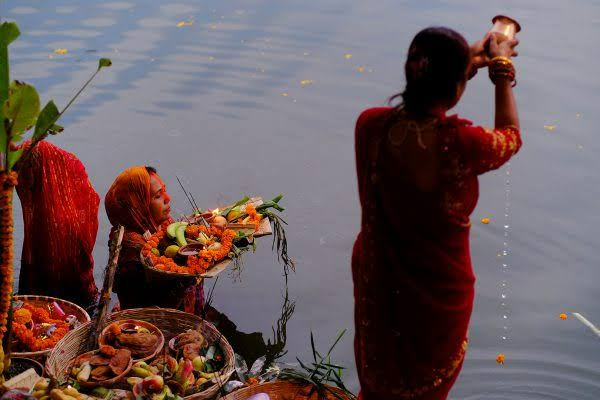


Nhu Daya Bhintuna 1147: Everything You Need to Know – History, Meaning, Traditions, and Celebrations
Introduction
Nepal is a country rich in culture, traditions, festivals, and historical heritage. Among its many unique celebrations, Nhu Daya Bhintuna holds a special place in the hearts of the Newar community. It is the traditional New Year greeting associated with Nepal Sambat, an indigenous calendar that represents the cultural identity, history, and heritage of the Newar people.
Every year, Newar communities celebrate the beginning of a new year with happiness, traditional rituals, cultural programs, and family gatherings. The celebration is closely connected with Mha Puja, one of the most important Newar traditions.
As we welcome Nepal Sambat 1147 in 2026, the celebration once again reminds us of the importance of our language, culture, traditions, and identity.
Nhu Daya Bhintuna is more than just a New Year greeting. It carries a beautiful message of happiness, peace, prosperity, unity, and new beginnings.
In this article, we will explore the meaning, history, cultural importance, traditions, and celebrations of Nhu Daya Bhintuna 1147.
What Is Nhu Daya Bhintuna?
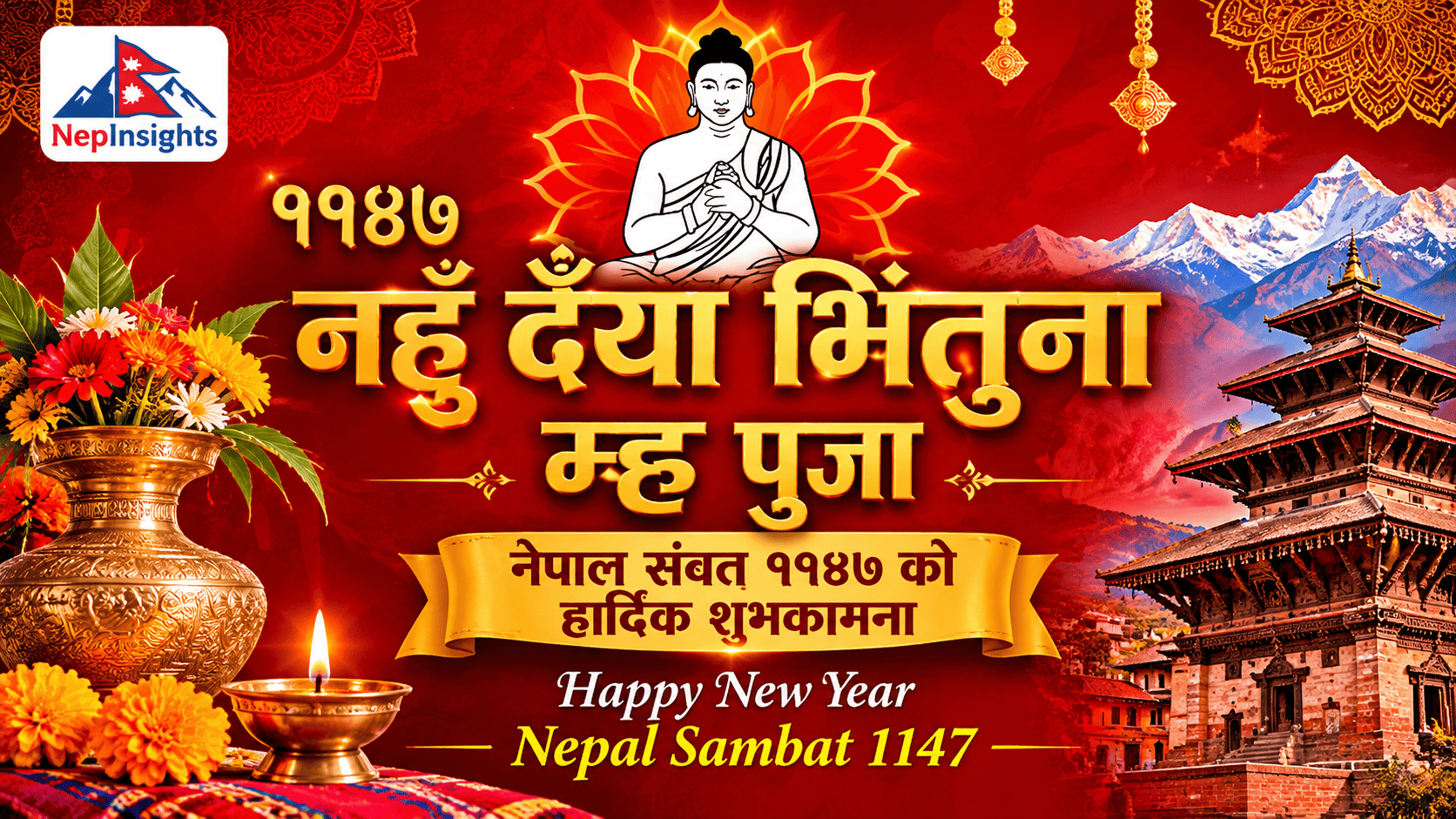
Nhu Daya Bhintuna (न्हूँ दँया भिंतुना) is a traditional New Year greeting in Nepal Bhasa, the language of the Newar community.
It is commonly translated as "Happy New Year" or "Best Wishes for the New Year."
People use this greeting to express happiness, love, respect, and good wishes when welcoming a new year according to the Nepal Sambat calendar.
During this special occasion, family members, friends, relatives, and community members exchange greetings and blessings for happiness, good health, success, and prosperity.
The greeting is also shared through social media posts, greeting cards, banners, cultural programs, and community celebrations.
What Is Nepal Sambat 1147?
Nepal Sambat is an indigenous lunisolar calendar that originated in Nepal in 879 CE.
It is an important part of Nepal's cultural and historical heritage, particularly for the Newar community.
In 2026, the Newar community welcomes Nepal Sambat 1147, marking another year in the continuation of this historic calendar.
Nepal Sambat follows a lunar calendar system with adjustments to remain aligned with the solar year. Its New Year generally falls in October or November.
Unlike the Gregorian calendar, which begins on January 1, Nepal Sambat begins around the time of the Newar New Year celebrations.
The calendar is used in traditional festivals, religious ceremonies, cultural events, and historical records.
Nepal Sambat also received national recognition in 2008, strengthening its importance as a symbol of Nepal's cultural identity.
History and Origin of Nepal Sambat
The history of Nepal Sambat dates back to 879 CE.
According to historical tradition, Nepal Sambat was established during the reign of King Raghavadeva. Shankhadhar Sakhwa is traditionally credited with introducing the calendar.
According to a popular legend, Shankhadhar Sakhwa used his wealth to pay the debts of the people, helping them achieve financial freedom.
This generous act is remembered as a symbol of kindness, social responsibility, and humanity.
Because of this story, Shankhadhar Sakhwa holds an important place in Newar history and cultural memory.
His contribution is remembered as an example of how one person's generosity can positively influence an entire community.
Today, Nepal Sambat continues to represent the historical pride, identity, and cultural heritage of the Newar people.
Nhu Daya Bhintuna and Mha Puja: A Special New Year Celebration
One of the most important aspects of the Newar New Year is Mha Puja.
Mha Puja literally means "worship of the self." It is an important traditional ritual performed by Newar families on the occasion of the Nepal Sambat New Year.
Every year, Mha Puja is observed during the Newar New Year celebration, marking the beginning of a new year with prayers for good health, happiness, longevity, and prosperity.
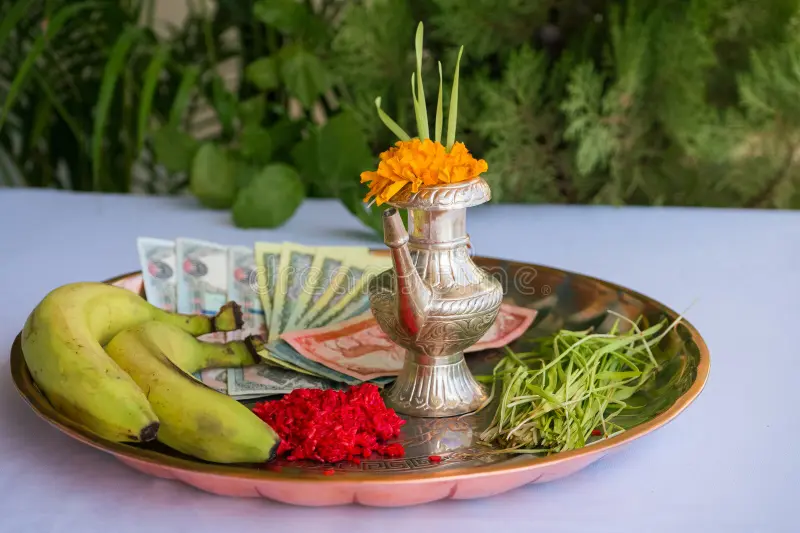
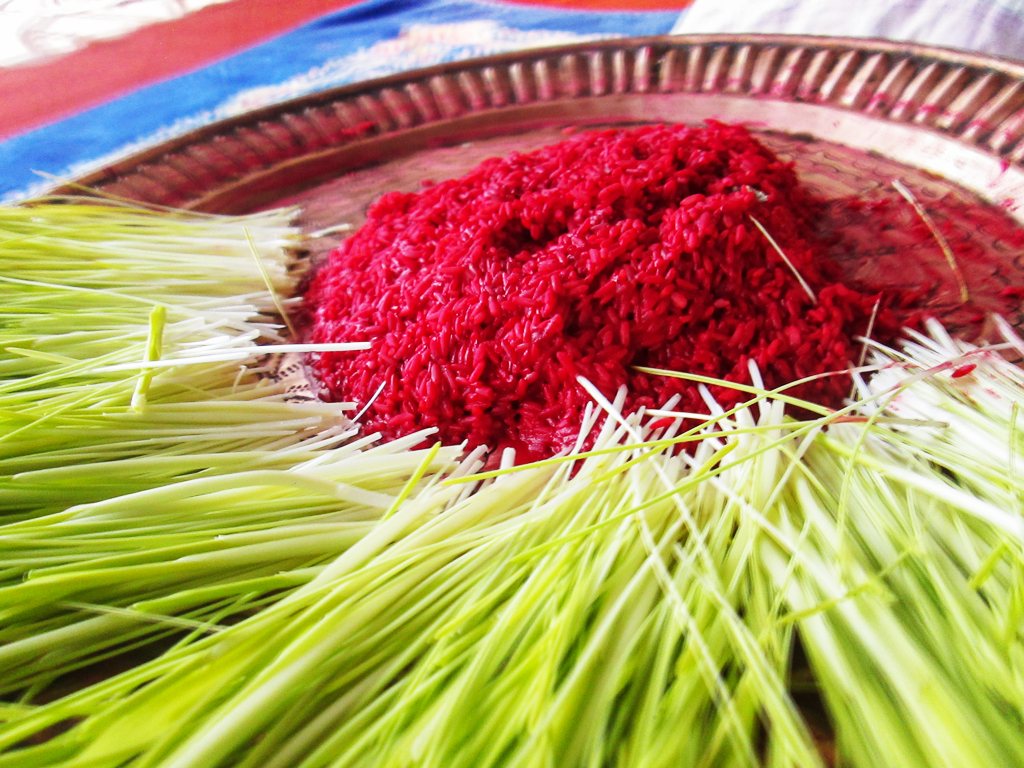
During Mha Puja, family members sit in front of beautifully prepared mandalas and perform rituals to worship their own bodies and inner selves.
The ceremony includes traditional offerings, flowers, fruits, incense, oil lamps, and other ritual items.
Each family member is given a separate mandala, symbolizing respect for individual life and well-being.
Mha Puja teaches an important lesson about self-respect, self-care, positivity, and gratitude.
It is also a wonderful opportunity for families to come together, maintain their traditions, and celebrate their cultural identity.
How Is Nhu Daya Bhintuna Celebrated Every Year?
Nhu Daya Bhintuna is celebrated with great excitement and happiness by Newar communities in Nepal and abroad.
The celebration includes several cultural and traditional activities.
1. Performing Mha Puja
Mha Puja is one of the most important rituals associated with the Newar New Year.
Families prepare traditional mandalas and perform rituals to worship themselves. The ceremony symbolizes purification, prosperity, longevity, and a positive beginning.
2. Exchanging New Year Greetings
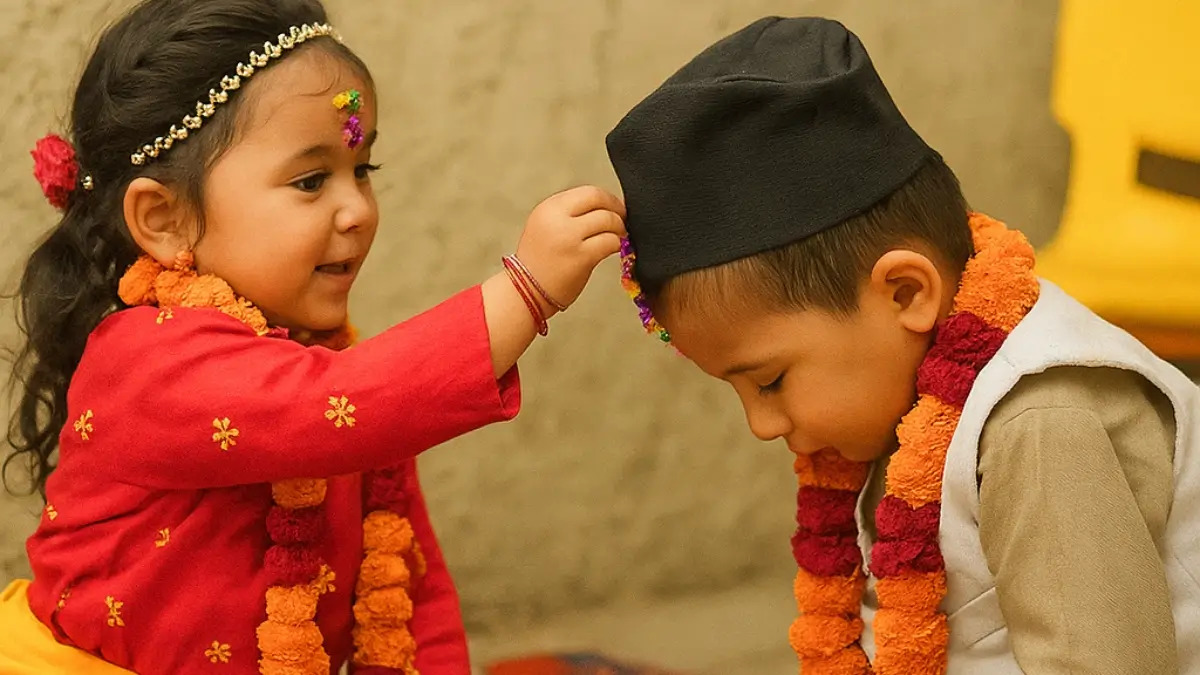
People exchange Nhu Daya Bhintuna with family members, friends, relatives, and neighbours.
They wish one another happiness, good health, success, peace, and prosperity for the coming year.
3. Traditional Newar Food
Food plays an important role in Newar culture and celebrations.
Families prepare traditional dishes and share meals during the festive occasion.
Traditional Newar food brings family members together and adds happiness to the celebration.
4. Cultural Programs and Processions
Different cultural organizations and community groups organize programs to celebrate Nepal Sambat.
These programs may include traditional music, cultural dances, speeches, exhibitions, and public gatherings.
5. Wearing Traditional Newar Clothes
Many people wear traditional Newar clothing during the celebration.
Traditional dresses represent cultural pride and help preserve the identity of the Newar community.
6. Sharing Greetings on Social Media
In today's digital world, people also celebrate Nhu Daya Bhintuna through Facebook, Instagram, TikTok, and other social media platforms.
They share New Year wishes, photographs, cultural videos, and traditional greetings with friends and followers around the world.
The Cultural Importance of Nhu Daya Bhintuna
Nhu Daya Bhintuna has great cultural, historical, and social importance.
Preserving Nepal Bhasa: The traditional greeting encourages people to use and preserve Nepal Bhasa for future generations.
Protecting Newar Heritage: The celebration helps preserve traditional music, dance, clothing, rituals, and customs.
Strengthening Family Relationships: Mha Puja and New Year celebrations bring family members together and strengthen relationships.
Promoting Cultural Identity: Nepal Sambat represents the historical and cultural identity of the Newar community.
Encouraging Unity: People from different backgrounds can participate in cultural celebrations and appreciate Nepal's diversity.
Remembering History: The celebration provides an opportunity to learn about Shankhadhar Sakhwa and the historical origins of Nepal Sambat.
Why Is Mha Puja Important in Newar Culture?
Mha Puja is one of the most meaningful traditions in Newar culture because it focuses on the importance of the self.
The word "Mha" means self, while "Puja" means worship.
During this ritual, people recognize their own existence and pray for good health, happiness, and a long life.
The mandala prepared for each person has symbolic importance. Traditional offerings represent prosperity, purity, and positive energy.
Mha Puja also encourages people to appreciate their lives and understand the importance of physical, mental, and spiritual well-being.
The tradition is passed from one generation to another, making it an important part of Newar family life.
Places Where Nepal Sambat New Year Is Celebrated
Nepal Sambat New Year is celebrated in different parts of Nepal, especially in areas with significant Newar populations.
Some important places include:
-
Kathmandu
-
Lalitpur (Patan)
-
Bhaktapur
-
Kirtipur
-
Thimi
-
Banepa
-
Dhulikhel
-
Panauti
Kathmandu Valley is particularly important because of its deep historical connection with Newar culture and traditions.
Newar communities living outside Nepal also organize cultural gatherings and celebrations to remain connected with their heritage.
Interesting Facts About Nhu Daya Bhintuna and Nepal Sambat
Here are some interesting facts about this special New Year celebration:
-
Nhu Daya Bhintuna is a traditional Newar New Year greeting.
-
It is associated with the beginning of Nepal Sambat.
-
Nepal Sambat began in 879 CE.
-
Nepal Sambat 1147 begins in 2026.
-
Shankhadhar Sakhwa is traditionally credited with establishing Nepal Sambat.
-
Nepal Sambat is a lunisolar calendar.
-
Mha Puja means worship of the self.
-
Mha Puja is observed on the Nepal Sambat New Year.
-
Nepal Sambat received national recognition in 2008.
-
The celebration helps preserve Newar culture, language, and traditions.
How Can We Preserve Newar Culture and Traditions?
Preserving traditional culture is everyone's responsibility.
Modern lifestyles and changing generations can sometimes create distance between people and their cultural roots.
We can help preserve Newar heritage in several ways:
-
Teach children about Nepal Sambat and its history.
-
Encourage younger generations to learn Nepal Bhasa.
-
Participate in Mha Puja and other traditional celebrations.
-
Support local cultural organizations.
-
Preserve traditional music, dance, and clothing.
-
Share cultural knowledge through blogs, videos, and social media.
-
Respect and promote Nepal's diverse cultural heritage.
By following these simple practices, we can help ensure that our traditions remain meaningful for future generations.
Frequently Asked Questions (FAQs)
1. What does Nhu Daya Bhintuna mean?
Nhu Daya Bhintuna is a traditional Nepal Bhasa greeting that means Happy New Year or best wishes for the New Year.
2. What is Nepal Sambat 1147?
Nepal Sambat 1147 is the New Year that begins in 2026 according to the traditional Nepal Sambat calendar.
3. When is Nhu Daya Bhintuna celebrated?
It is celebrated on the occasion of the Nepal Sambat New Year, which generally falls in October or November.
4. What is Mha Puja?
Mha Puja is a traditional Newar ritual that means worship of the self. It is performed during the Nepal Sambat New Year to pray for health, happiness, longevity, and prosperity.
5. Who started Nepal Sambat?
Shankhadhar Sakhwa is traditionally credited with establishing Nepal Sambat in 879 CE during the reign of King Raghavadeva.
6. Why is Nepal Sambat important?
Nepal Sambat represents Nepal's historical and cultural heritage, particularly the identity and traditions of the Newar community.
7. How do people celebrate Nhu Daya Bhintuna?
People celebrate by performing Mha Puja, exchanging greetings, preparing traditional food, wearing traditional clothes, and participating in cultural programs.
Conclusion
Nhu Daya Bhintuna is much more than a traditional New Year greeting. It represents the history, culture, identity, and unity of the Newar community.
As we welcome Nepal Sambat 1147 in 2026, we celebrate not only the beginning of another year but also the continuation of a rich cultural heritage that has been passed down through generations.
Mha Puja reminds us to respect ourselves, appreciate life, and welcome new beginnings with positivity and gratitude.
Let us continue to preserve Nepal Bhasa, protect our traditions, respect our cultural identity, and share the beauty of Newar heritage with the world.
May this new year bring happiness, good health, peace, success, and prosperity to everyone.
Nhu Daya Bhintuna 1147!
Happy Nepal Sambat New Year!
React to this post
Related Articles