
Related Articles




Is Nepal Safe to Visit After the 2026 Floods? Latest Travel and Trekking Update
Nepal remains open to international visitors following the major flooding and landslides that struck the northern part of the country in August 2026. However, travellers should understand that conditions vary significantly from one region to another.
The most serious disruption has been concentrated around Rasuwa and the Nepal-China border, where the August 26 disaster damaged roads, bridges and other infrastructure. The U.S. government currently advises travellers not to enter the Rasuwagadhi, Timure and Syafrubesi areas of Rasuwa because of flood damage, disrupted transportation and ongoing recovery operations.
That does not mean the whole of Nepal is closed or unsafe for tourism. For travellers planning a visit to Kathmandu, Pokhara or trekking destinations outside the affected corridor, the key is to check the condition of the specific route rather than making decisions based only on national headlines.
Nepal Travel After the Flood: What Has Changed?
The August disaster was concentrated along river systems in northern Nepal. A major ice-rock avalanche in the upper Bhote Koshi watershed generated a large debris flow and flood, according to preliminary analysis from the National Society for Earthquake Technology-Nepal (NSET).
Rasuwa was among the hardest-hit areas, with the effects extending into downstream districts. International travel advisories have also warned that damaged infrastructure, unstable slopes and further rainfall can create additional hazards in affected locations.
For tourists, the important distinction is between Nepal as a whole and the specific disaster-affected corridors.
A traveller visiting Kathmandu for a few days and then flying to Pokhara has a very different risk profile from someone attempting to travel overland toward Syafrubesi or Timure.
Which Parts of Nepal Should Travellers Avoid?
The clearest restriction currently concerns the Rasuwagadhi–Timure–Syafrubesi corridor.
The U.S. State Department has placed this area under a “Do Not Travel” warning because of flood damage, damaged transportation and communication infrastructure, recovery operations and the continuing possibility of additional flooding and landslides.
The UK government has also warned about severe damage in Rasuwa and the Nepal-China border region, while noting that other districts including Nuwakot, Dhading and Gorkha have also experienced impacts.
Travellers should therefore avoid entering affected areas simply to see the damage or attempt to reach communities that are still undergoing rescue and recovery operations.
Areas Requiring Particular Attention
- Rasuwa: Significant flood and infrastructure damage; avoid the restricted corridor.
- Syafrubesi and Timure: Access has been severely affected and should not be treated as normal tourist destinations at present.
- Rasuwagadhi border: Travel restrictions remain in place.
- Nuwakot, Dhading and other downstream areas: Conditions can vary locally, so check roads and accommodation before travelling.
- Other tourist regions: Check the latest local information before departure, particularly if travelling by road during or immediately after heavy rainfall.
Can Tourists Still Visit Kathmandu?
For travellers planning a normal Kathmandu itinerary, the flood in Rasuwa does not mean the capital has shut down.
Kathmandu remains the country's principal tourism and transport hub, and travellers can continue to plan visits while monitoring current weather and transportation information.
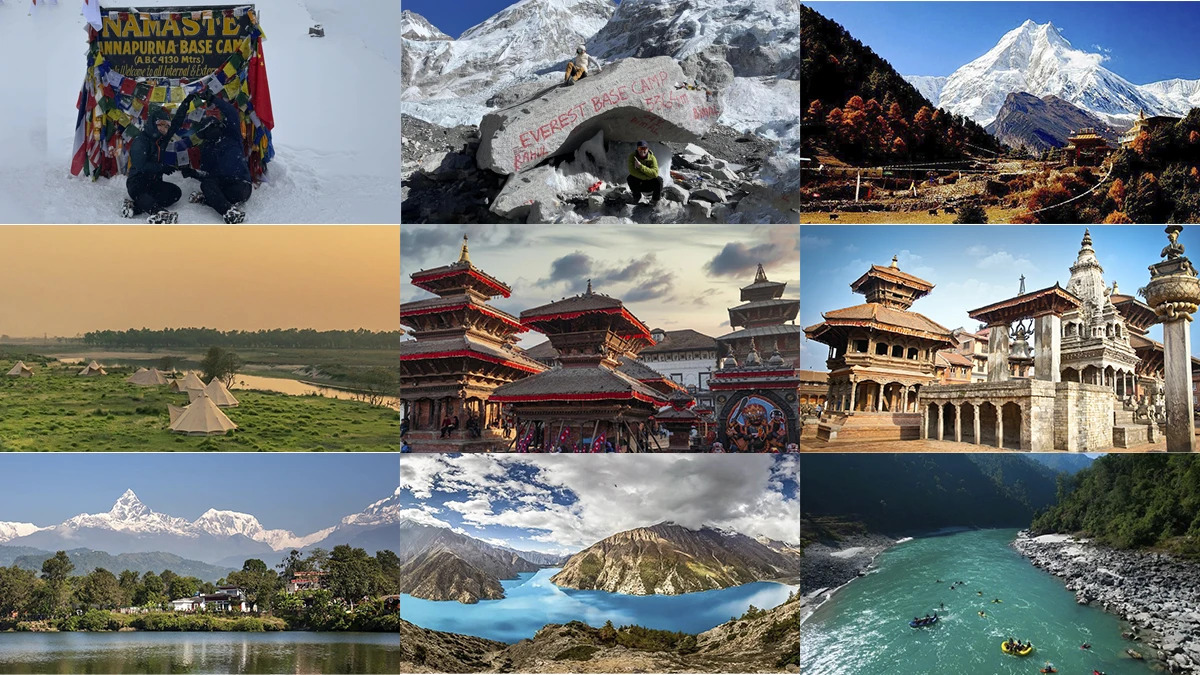
Popular attractions such as Boudhanath Stupa, Swayambhunath, Kathmandu Durbar Square and Patan Durbar Square are separate from the northern disaster corridor.
However, visitors planning to leave Kathmandu by road should check their route before departure. Conditions can change quickly during periods of heavy rainfall, particularly on mountain highways.
Is Pokhara Open for Tourists?
Pokhara remains one of Nepal's major tourism destinations, but travellers should still pay attention to transportation conditions.
The city itself was not the centre of the Rasuwa disaster. Visitors can continue planning trips around Phewa Lake, Sarangkot, the International Mountain Museum and the Annapurna region, subject to normal weather and transport considerations.
For travellers going from Kathmandu to Pokhara by road, checking the latest highway information is particularly important after periods of heavy rain. A route can experience a temporary landslide or road closure even when both destinations are operating normally.
What About Everest Base Camp?
The Everest region is geographically separate from the Rasuwa disaster corridor.
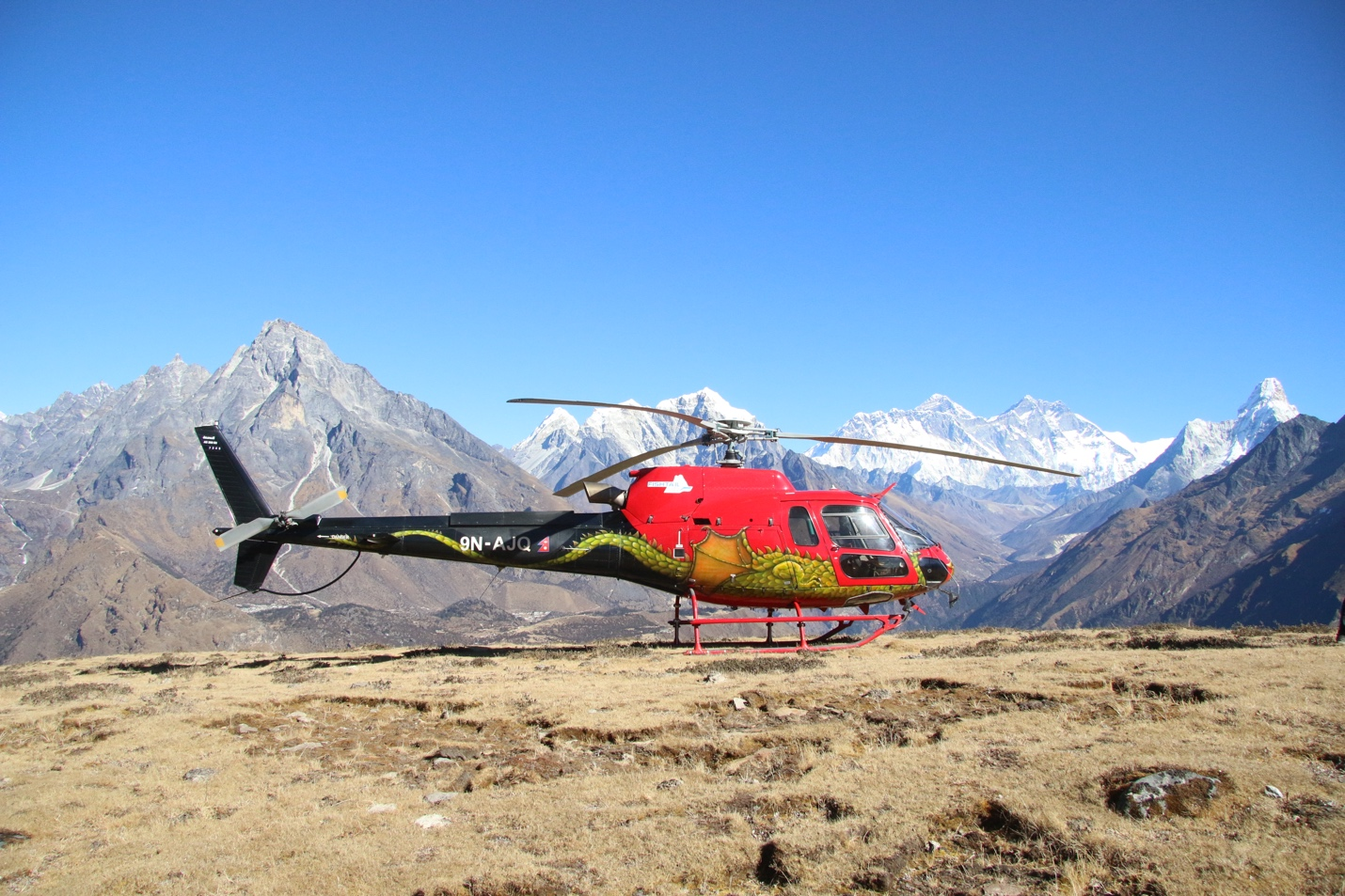
Travellers planning the Everest Base Camp trek should nevertheless check the latest Lukla flight schedules, weather forecasts and trail conditions before departure. Mountain weather can cause delays independently of the August flood.
For trekking trips, the condition of the trail is only one part of the equation. Flights, bridges, accommodation, weather and access roads can all influence the itinerary.
Can You Still Trek in the Annapurna Region?
The Annapurna region remains an important option for travellers planning a Himalayan trekking holiday.
Routes such as the Annapurna Circuit, Annapurna Base Camp and Poon Hill are separate from the Rasuwa disaster corridor. However, travellers should still obtain an updated trail and road report before starting their trek.
The monsoon and post-monsoon transition can bring landslides, slippery trails and changes to mountain-road conditions, meaning that even an unaffected trekking region should not be treated as completely risk-free.
What About Langtang?
Langtang requires considerably more caution.
The region is closely connected to the affected Rasuwa corridor, and Syafrubesi serves as a major access point for Langtang trekking. Because infrastructure in the area was damaged during the disaster, travellers should not assume that pre-flood itineraries remain valid.
Anyone holding a Langtang Valley, Gosaikunda or Tamang Heritage Trail booking should contact their trekking operator for a current assessment before travelling.
If access remains restricted, switching to another trekking region may be more practical than attempting to reach an area still undergoing recovery.
Should You Cancel a Nepal Trip?
For travellers whose itinerary is completely outside the affected area, a blanket cancellation is not necessarily supported by the current travel advisories.
The U.S. advisory currently places Nepal overall at Level 2, Exercise Increased Caution, while specifically imposing a Level 4 “Do Not Travel” warning on the Rasuwagadhi–Timure–Syafrubesi area.
That distinction is important.
Instead of asking whether “Nepal is safe” as a single yes-or-no question, travellers should ask:
Where am I going, how am I getting there, and what are the current conditions along my route?
That approach provides a much more useful picture of travel conditions.
Travel Insurance Is More Important Than Ever
Anyone travelling to Nepal should make sure their insurance matches their actual itinerary.
The UK government recommends appropriate travel insurance covering the planned activities and emergency expenses.
Trekkers should pay particular attention to policies covering:
- Emergency medical treatment
- Helicopter evacuation
- High-altitude trekking
- Trip interruption
- Trip cancellation
- Delays caused by weather
- Natural disasters
Do not assume that a standard holiday policy automatically covers trekking or evacuation at altitude.
What Should Travellers Check Before Leaving?
Conditions can change rapidly after severe weather. Before travelling, check the following:
1. Road conditions
If you are travelling overland, confirm that the road is open and that there are no recent landslides or bridge closures.
2. Trekking route status
Ask your trekking company or guide for a recent update rather than relying on an old itinerary.
3. Weather forecasts
Heavy rain can create new landslides even outside the original disaster zone.
4. Accommodation
Confirm that your hotel, lodge or teahouse is operating normally.
5. Government travel advice
Check your own government's latest Nepal travel advisory before departure.
6. Insurance coverage
Make sure your policy covers the activities and destinations included in your itinerary.
Is Nepal Still Worth Visiting After the Flood?
The 2026 floods have caused serious damage and affected communities that are still recovering. Travellers should not minimise the scale of the disaster simply because many tourist destinations remain operational.
At the same time, the situation should not be interpreted as though the entire country has been affected equally.
Nepal is geographically diverse, and travel conditions can differ dramatically between regions. The current official guidance reflects that reality: avoid the severely affected Rasuwa border corridor, remain alert to changing conditions elsewhere, and check your specific route before travelling.
For visitors heading to Kathmandu, Pokhara or trekking areas outside the affected corridor, the most sensible approach is informed travel rather than blanket cancellation.
Final Travel Advice
Nepal's tourism industry continues to welcome visitors, but the 2026 floods have changed the way travellers should plan their journeys.
The biggest priority is to stay away from the Rasuwagadhi–Timure–Syafrubesi disaster zone while recovery work continues. For other destinations, check current road, weather and trekking conditions shortly before travelling.
If your itinerary includes the Himalayas, work with an experienced local trekking company and keep some flexibility in your schedule. Mountain conditions can change quickly, and a flexible itinerary can make it much easier to respond to unexpected road closures, flight delays or weather events.
Most importantly, use current official information rather than social-media rumours or outdated travel posts. The situation following a major natural disaster can change from week to week, so the safest travel plan is one based on the latest information available immediately before departure.
Nepal remains a destination with a wide range of experiences beyond the affected areas, from Kathmandu's heritage sites and Pokhara's lakeside attractions to trekking routes across the country's mountain regions. With careful route planning, updated local information and appropriate insurance, travellers can make informed decisions about visiting Nepal while communities in the affected areas continue their recovery.
React to this post
Related Articles