







China has reportedly started tightening the export of refined oil products as instability in the global energy market intensifies due to escalating tensions in the Middle East. The decision is believed to be part of Beijing’s efforts to safeguard its domestic energy supply during a period of increasing uncertainty in global oil markets.
According to international media reports, Chinese authorities have advised local refineries to limit overseas shipments of products such as gasoline, diesel, and jet fuel. Some refineries have already begun canceling previously arranged export cargoes as part of the new directive.
China, the world’s second-largest economy, is one of the largest buyers of crude oil globally. Although most of the country’s large refining capacity is used to meet domestic demand, it also exports significant amounts of refined fuels to international markets. Official customs statistics show that China exported around 58 million tons of refined petroleum products last year.
The latest guidance from Beijing is said to be stricter than the earlier instructions issued the previous week. Earlier recommendations suggested a temporary pause in exports, but the new directive appears to impose tighter control over shipments.
When asked about the reports during a routine press briefing in Beijing, Chinese Foreign Ministry spokesperson Guo Jiaqun said he was not aware of the specific claims regarding export restrictions.
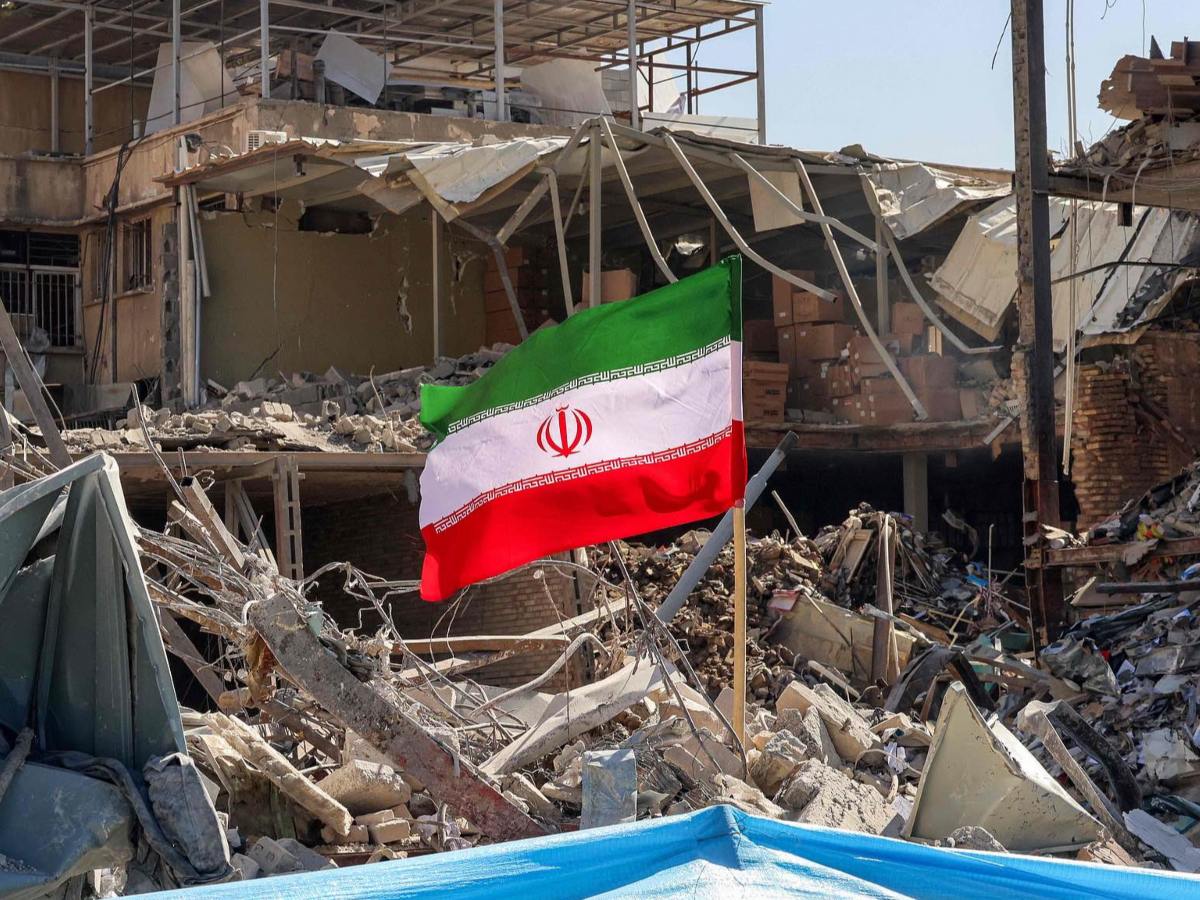
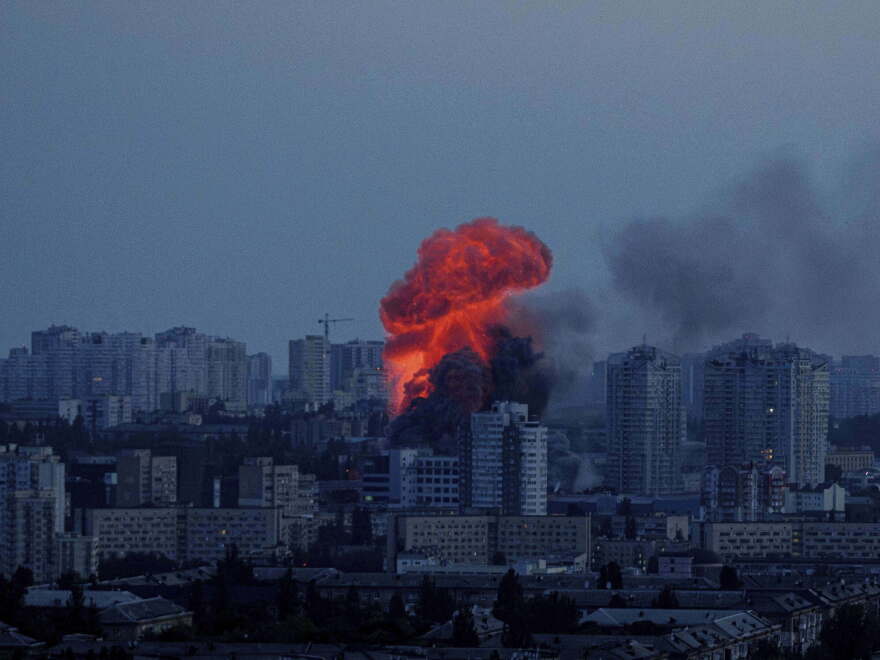
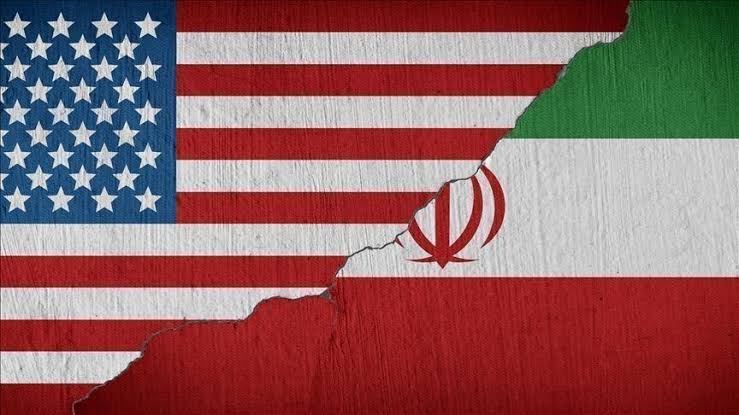
Meanwhile, the global oil market has become increasingly volatile following rising tensions involving the United States, Israel, and Iran. Concerns about possible disruptions to oil supplies have pushed international crude prices above $100 per barrel, adding pressure to energy markets worldwide. In response to the instability, the International Energy Agency (IEA) announced that it plans to release a significant amount of crude oil from its strategic reserves to help stabilize the market. However, China is not a full member of the agency and is therefore not required to participate in such coordinated actions.
Another major concern for the global energy market is the Strait of Hormuz, a key maritime route through which nearly 20 percent of the world’s crude oil supply passes. Any disruption to shipping in this region could significantly impact global energy flows. Energy analysis firm Kpler reports that more than half of China’s seaborne crude oil imports last year came from Middle Eastern countries. Despite this dependence, analysts believe China has prepared for potential supply shocks by building large strategic oil reserves over the years.
Kpler estimates that China currently holds approximately 1.2 billion barrels of onshore crude oil reserves, which could cover around 115 days of imports based on seaborne supply levels.
In the past, China has released oil from its strategic reserves to manage economic pressures. For example, in 2021 the government allowed part of its reserves to enter the market after factory-level inflation increased. However, authorities have not yet announced a similar measure during the current crisis.
Chinese officials have emphasized that the government will take all necessary steps to ensure the country’s energy security as global tensions continue to affect the oil market.