
Related Articles


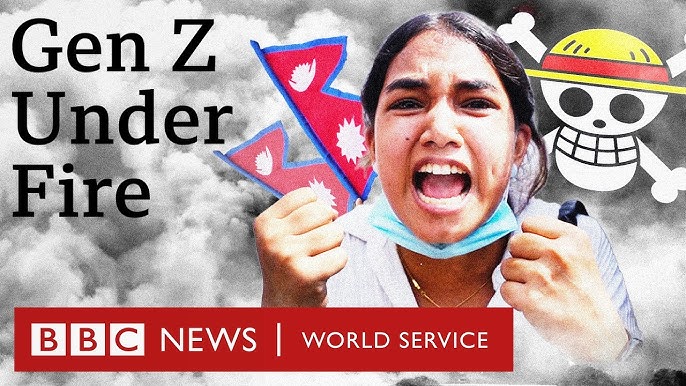
BBC Documentary on Nepal’s Gen Z Protests Sparks Political Storm Ahead of Elections
A newly released BBC documentary titled “Shot Like Enemies: Inside Nepal’s Gen Z Uprising” has ignited major political debate just days before Nepal heads into snap elections on March 5.
Released in both English and Nepali on February 26, the documentary investigates the first day of the September 8 Gen Z protests in Nepal, examining alleged police brutality, chain-of-command decisions, and the deaths of young protesters during the unrest.
What the Documentary Reveals
According to the film’s makers, the investigation is based on:
-
Access to classified Nepal Police logs
-
Minute-by-minute operational entries
-
Thousands of protester-recorded videos
-
Eyewitness accounts and digital evidence
The documentary claims police orders included instructions such as deploying necessary force during curfew conditions. While it does not directly name top political leaders, it questions the accountability and command structure behind the police response.
It also examines incidents of arson targeting government buildings, private homes of politicians, and business establishments during the protests.
Why the Timing Matters
The documentary’s release comes just one week before the March 5 snap polls, raising a critical political question: Why now?
Before the BBC’s investigation, the interim administration led by former Chief Justice Sushila Karki had formed the Gauri Bahadur Karki Commission to probe the events. The commission reportedly questioned former Home Minister Ramesh Lekhak, and its term was extended. However, its final report has not yet been made public.
Gen Z representatives claim the report is ready, but concerns remain whether it will be released before or after the formation of a new government.
Election Commission’s Concern
Reports suggest that the Election Commission wrote to the Press Council of Nepal urging action over the documentary, citing fears that it could influence voter behavior.
However, in today’s digital era, where content spreads instantly through smartphones and social media platforms, restricting access to an internationally released documentary may prove difficult.
Political Impact: Who Gains, Who Loses?
The documentary could potentially affect traditional political parties, particularly:
-
Nepali Congress
-
CPN-UML
-
Nepal Communist Party (NCP)
These parties were part of the coalition government during the September 2025 youth protests and later lost power amid mounting public pressure.
With youth voters playing a crucial role in recent political shifts, the film may strengthen anti-establishment sentiments—especially among first-time voters.
Meanwhile, the Rastriya Swatantra Party (RSP), which presents itself as a reform-oriented alternative, may benefit from the growing dissatisfaction with traditional parties. However, it too faces internal controversies.
Social Media Reaction
Since its release, the documentary has been trending on X (formerly Twitter), generating mixed reactions:
-
Some critics argue that the BBC’s timing may interfere with Nepal’s democratic process.
-
Others demand immediate release of the Karki Commission report for transparency.
-
Several commentators question why domestic media could not produce such an investigation.
The debate reflects deeper concerns about media influence, foreign involvement, and accountability in Nepal’s democratic system.
Bigger Questions for Nepal
While the BBC documentary sheds light on alleged police actions in Kathmandu, many observers note that it may not cover the full national picture. A comprehensive, officially released inquiry report would be essential for long-term justice and transparency.
As Nepal approaches a crucial election, the documentary has intensified public discourse about:
-
Youth political power
-
Accountability in governance
-
Transparency of investigation processes
-
Trust in traditional political leadership
Whether this global media spotlight reshapes Nepal’s electoral outcome remains to be seen. But one thing is clear: the youth movement and its aftermath continue to influence the country’s political future.
React to this post
Related Articles