
Related Articles



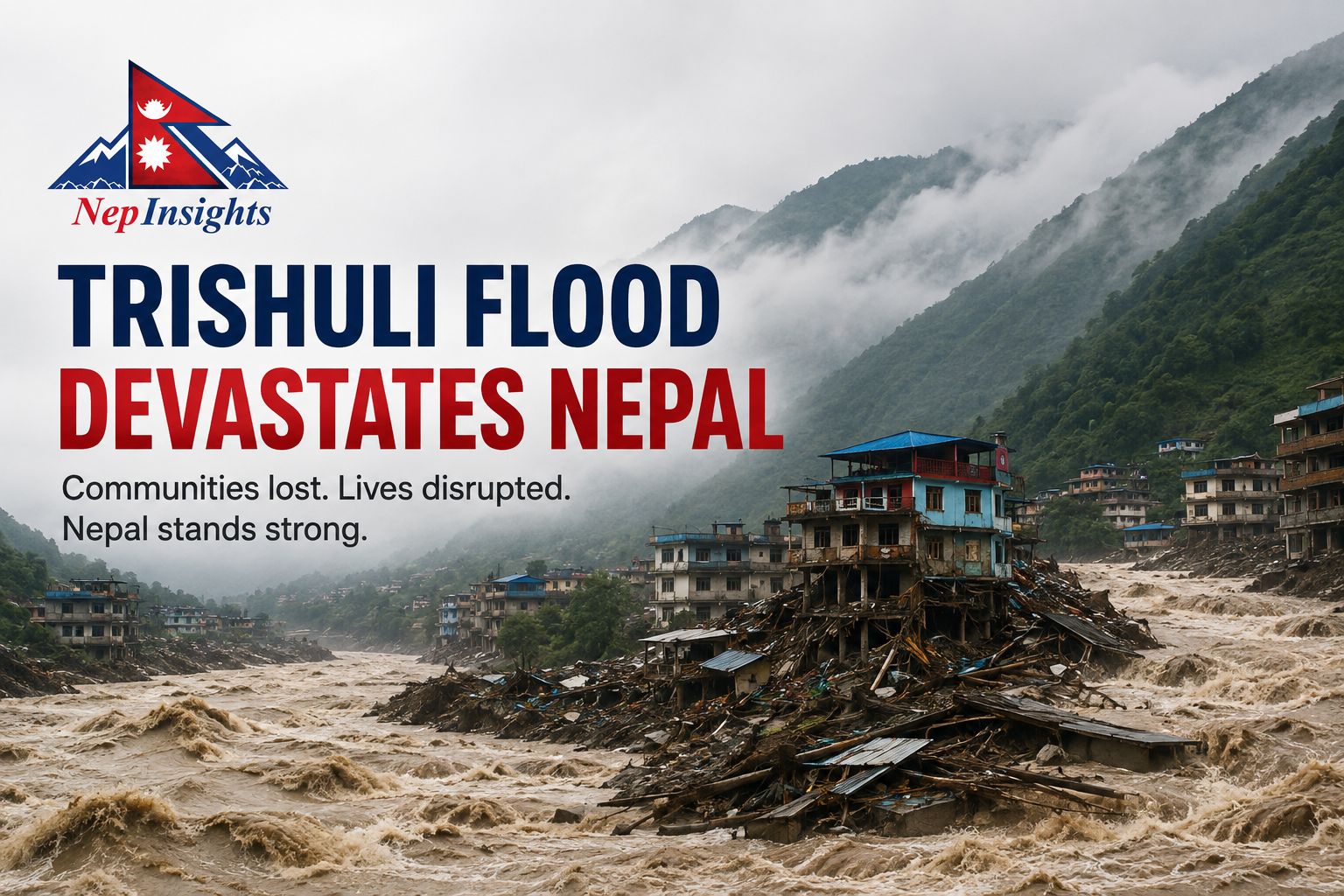

Nepal Flood Latest Update: 165 Dead, 826 Missing in Devastating Bhotekoshi Flood
Nepal Flood Latest Update: What Happened?
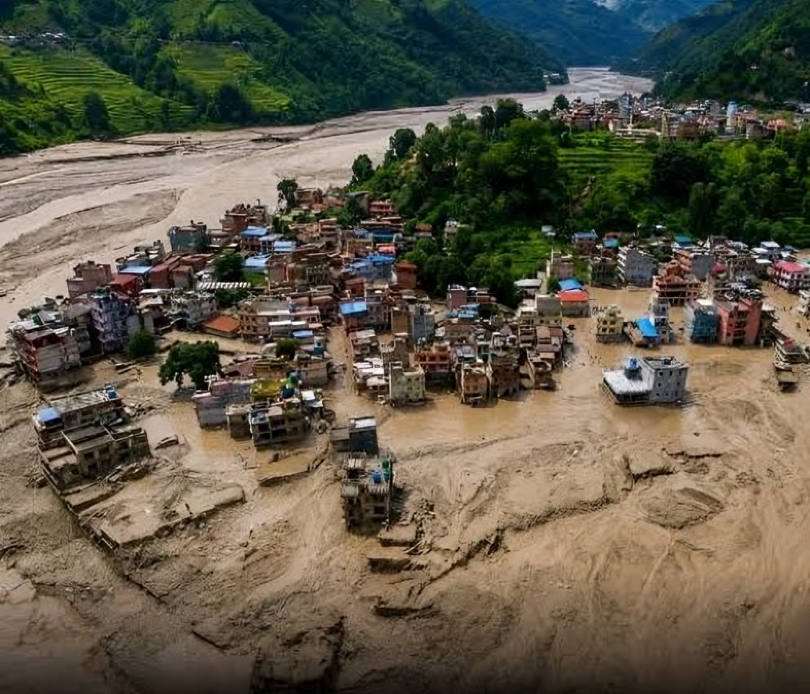
Nepal is facing one of its most serious recent flood disasters after a sudden and extremely powerful flash flood swept through the Bhotekoshi River corridor on Wednesday, August 26, 2026.
The disaster began in the northern part of Rasuwa district near the Nepal-China border before the floodwaters moved downstream. Timure, Rasuwagadhi and surrounding settlements were among the areas heavily affected. The flood also caused severe destruction farther downstream in districts including Nuwakot, Dhading and Chitwan.
According to the latest figures reported by Nepalese authorities and major news organizations, at least 165 people have died and 826 people remain unaccounted for in Nepal. The missing include local residents, security personnel, hydropower and customs workers, as well as Nepali and foreign tourists.
The situation is still developing. Rescue teams are continuing to search riverbanks, damaged settlements and downstream areas, meaning both the death toll and missing-person figures may change as authorities receive and verify more information.
Important update on the numbers
Because this is an active disaster, different reports have published different figures at different times.
The National Disaster Risk Reduction and Management Authority reported 826 people unaccounted for, while the Nepal Tourism Board separately reported hundreds of travelers whose whereabouts were still being verified. Later reporting from Nepal News indicated that the number of confirmed recovered bodies had risen further.
For that reason, readers should treat the numbers in this article as a time-stamped situation update rather than a final toll.
Where Did the Bhotekoshi Flood Happen?
The worst destruction has been reported along the Bhotekoshi River and connected waterways in northern and central Nepal.
Rasuwa
Rasuwa has been at the center of the disaster.
The flood entered the area around the Rasuwagadhi and Timure region, destroying homes, businesses, roads and other infrastructure. The border area is particularly important because it connects Nepal with Tibet and carries both trade and tourism traffic.
The scale of destruction has made access extremely difficult for rescuers.
Nuwakot
Floodwaters continued downstream toward Nuwakot, where communities along the river system suffered extensive damage.
The disaster has also affected transportation links connecting Kathmandu with northern and central parts of the country.
Dhading and downstream districts
The effects did not stop in Rasuwa.
Bodies and flood debris have been found far downstream, illustrating how quickly the flood traveled through the river system. Reports have confirmed deaths in multiple districts, including Nuwakot, Dhading, Gorkha, Chitwan, Tanahun and Nawalparasi areas.
This has turned what began as a localized disaster near the Himalayan border into a wider emergency across several districts.
What Caused the Nepal Flood?
One of the most important questions is how the flood became so powerful so quickly.
Initial scientific assessments indicate that the disaster was likely connected to an ice or glacier-related avalanche and debris blockage upstream, rather than being caused simply by ordinary rainfall.
According to reporting based on preliminary assessments, an ice-rock avalanche appears to have blocked the Lhende Khola, a tributary connected to the Bhotekoshi system. The sudden release of water and debris then produced an exceptionally destructive flood wave.
Scientists from the International Centre for Integrated Mountain Development have also pointed to an avalanche from a glacier as a likely trigger.
The speed of the flood was extraordinary. Hydrological observations cited by AP indicate that water levels on the Trishuli River rose by as much as 9 metres within roughly 30 minutes.
That helps explain why people living and working near the river had so little time to react.
826 People Are Still Unaccounted For
The missing-person situation is one of the most worrying parts of the disaster.
According to the latest report cited by The Kathmandu Post, 826 people remain unaccounted for in Nepal.
That number includes:
- Local residents
- Nepal Army personnel
- Nepal Police personnel
- Armed Police Force personnel
- Hydropower workers
- Customs and border personnel
- Nepali tourists
- Foreign tourists
The report said 44 Nepal Army personnel, 28 Nepal Police personnel and 13 Armed Police Force personnel were among those whose whereabouts remained unknown.
Search teams are working along riverbanks and downstream areas because floodwaters carried people and debris far from the original disaster zone.
Hundreds of Tourists Are Also Missing
The disaster has caused particular concern among tourism authorities because the affected region is a major route for travelers heading toward northern Nepal and Tibet.
The Nepal Tourism Board reported hundreds of travelers whose whereabouts were still being verified.
A separate NTB update reported 644 travelers missing, including 517 foreign nationals and 127 Nepali nationals. The list was being cross-checked with travel companies, guides, local authorities and security agencies.
Among the foreign nationals listed as missing were travelers from India, the United States, Ukraine, Malaysia, the United Kingdom, Australia and Canada.
The exact number of missing tourists has changed as authorities have contacted travelers and updated their records.
This distinction is important: being listed as missing or uncontactable does not necessarily mean that a person has died. Authorities are still trying to establish the whereabouts and safety of many travelers.
Rescue Operations Continue Across Rasuwa
Rescue operations began immediately after the flood, but the destroyed infrastructure has made the work extremely difficult.
Roads and bridges were damaged or washed away, leaving some settlements inaccessible by normal vehicles.
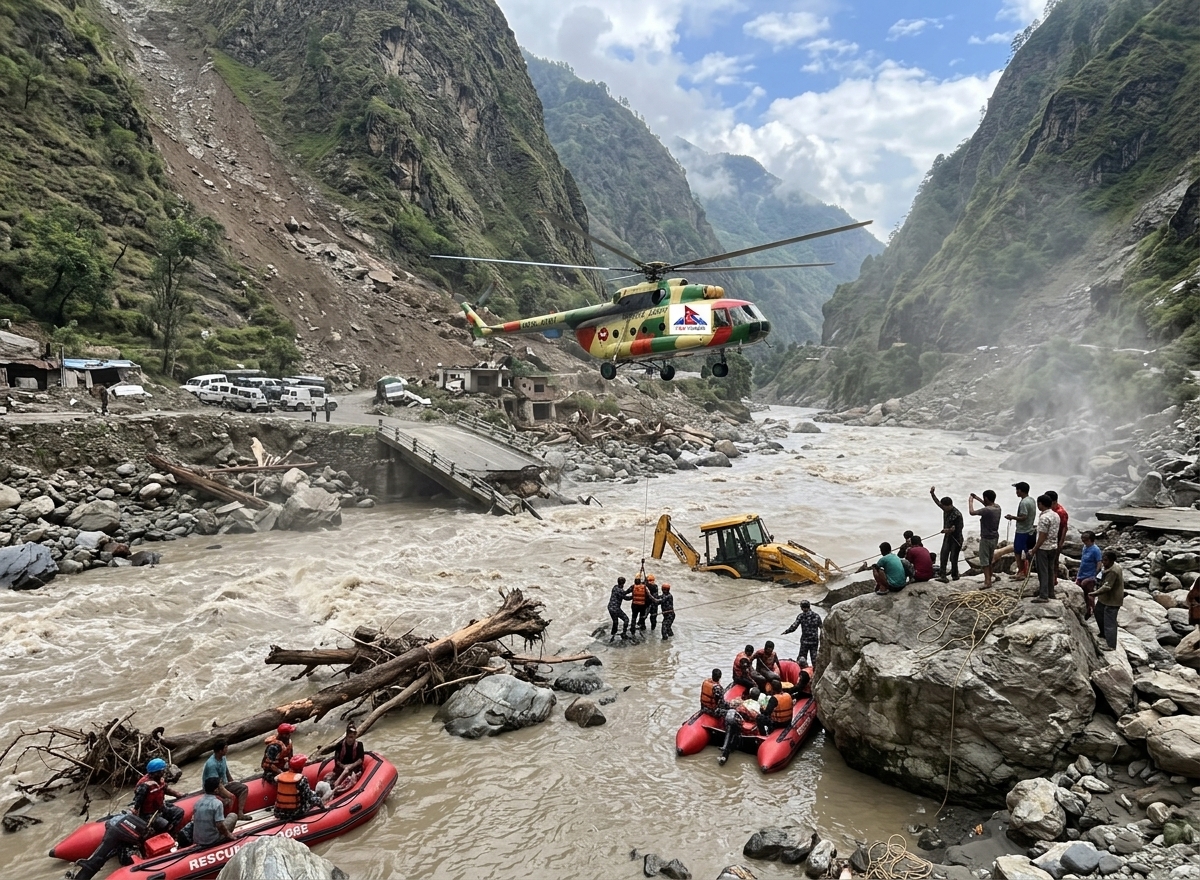
The Nepal Army has been using helicopters to reach stranded people and evacuate victims from difficult locations.
According to reports, more than 100 people were rescued by helicopter operations, including foreign nationals. Further air evacuations have continued as weather and flying conditions allow.
Rescue teams are also searching areas downstream because bodies and debris have been carried considerable distances by the flood.
Roads and Bridges Suffer Major Damage
The flood has caused enormous infrastructure losses.
According to reports cited by Indian media and Nepalese authorities, around:
- 35 motorable bridges were damaged or destroyed
- 45 suspension bridges were affected
- Around 40 kilometres of road were damaged
The damage has made it difficult for emergency teams to move equipment, food, medicine and rescue personnel into affected communities.
One particularly important route between Betrawati in Nuwakot and the Rasuwagadhi border has suffered extensive damage. The Department of Roads reported that the roughly 42-kilometre road section was damaged at multiple points, with several bridges washed away.
For residents, this means that the flood is not only an immediate humanitarian crisis but also a major transportation and economic disruption.
Hydropower Projects Were Also Hit
The Bhotekoshi and Trishuli corridors contain important hydropower infrastructure.
Several hydropower facilities and related infrastructure have been affected by the flood, while workers at some facilities were reported missing.
The damage could have consequences beyond the immediate flood zone because Nepal relies heavily on hydropower for electricity generation.
Authorities and energy-sector teams are assessing the condition of power plants, transmission infrastructure and access roads.
Why Was the Flood So Destructive?
Several factors combined to make this disaster particularly dangerous.
1. Extremely rapid flooding
The flood developed with extraordinary speed. When river levels rise several metres in a short period, residents may have only minutes to escape.
2. Mountain geography
Rivers in the Himalayas flow through narrow valleys. A sudden surge of water and debris can therefore move with enormous force.
3. Ice and rock debris
If an avalanche or debris blockage suddenly releases water, the resulting flood can carry rocks, mud, trees and other material downstream.
4. Destroyed transportation infrastructure
Once roads and bridges disappear, rescue teams face another challenge: reaching the people who need help.
5. International travel corridor
The affected area is not isolated from tourism. The Rasuwagadhi route connects Nepal with Tibet and is used by travelers, pilgrims, workers and traders.
That increased the number of people potentially exposed to the disaster.
Is It Safe to Travel to Rasuwa Right Now?
Travelers should avoid affected areas unless they are directly involved in authorized rescue, relief or essential operations.
The situation remains unstable, roads and bridges have been damaged, and rescue operations are still underway.
People planning travel to Rasuwa, Rasuwagadhi, Timure or nearby northern routes should check official government, Nepal Tourism Board and local authority announcements before traveling.
Tourists who have family members or friends currently traveling in the affected region should contact their travel company, guide, hotel or relevant authorities rather than relying only on social media posts.
Is Kathmandu Affected by the Bhotekoshi Flood?
The disaster is concentrated primarily along the affected river corridors rather than across Kathmandu Valley as a whole.
However, Kathmandu is playing a major role in the emergency response.
Injured people have been transported to hospitals in Kathmandu for treatment, while government agencies and rescue organizations are coordinating operations from the capital.
The flood has also disrupted transportation routes connecting Kathmandu with northern and central Nepal.
Therefore, someone traveling within Kathmandu Valley may not be in the direct flood zone, but travel plans outside the Valley can still be affected by road closures and damage.
What Authorities Are Doing
Nepal's security agencies, disaster-response authorities, local governments and tourism agencies are coordinating rescue and relief operations.
The Nepal Army, Nepal Police and Armed Police Force are involved in search-and-rescue activities.
Helicopters are being used to evacuate stranded people from locations where roads are inaccessible.
The government is also assessing infrastructure damage and coordinating humanitarian assistance.
International concern has grown because the disaster has affected both Nepal and Tibet, with missing people reported on both sides of the border. AP reported more than 1,300 people missing across Nepal and Tibet combined in the latest situation assessment.
What This Disaster Means for Nepal
The Bhotekoshi disaster is more than a flood story.
It raises difficult questions about how Nepal prepares for sudden Himalayan hazards.
Nepal is home to thousands of glaciers, steep mountain valleys and rapidly changing high-altitude environments. Communities living downstream depend on rivers for water, electricity, transport and economic activity.
When an extreme event occurs in the mountains, the consequences can travel hundreds of kilometres downstream.
The latest disaster therefore highlights the importance of:
- Better early-warning systems
- More reliable river monitoring
- Glacier and avalanche surveillance
- Stronger bridges and roads
- Emergency communication networks
- Safer settlement planning
- Faster evacuation procedures
- Better coordination between Nepal and neighboring countries
The Bhotekoshi tragedy demonstrates how quickly a hazard in a remote mountain environment can become a national emergency.
A Disaster Still Unfolding
As rescue teams continue their work, families across Nepal and other countries are waiting for information about missing relatives.
For many, the most important number is not the death toll or the number of damaged bridges. It is the name of the person they are waiting to hear from.
The figures reported today are likely to change as authorities recover more bodies, establish contact with missing travelers and complete their verification.
That is why updates from official agencies and established news organizations remain particularly important.
At this stage, the priority is clear: find survivors, reunite families, provide medical care and deliver relief to communities that have lost homes, roads, businesses and loved ones.
Nepal Flood Latest Update: What We Know So Far
| Situation | Latest reported information |
|---|---|
| Disaster | Bhotekoshi/Trishuli flash flood |
| Date | August 26, 2026 |
| Main affected area | Rasuwa and downstream districts |
| Reported deaths | At least 165 in Nepal in the latest widely reported official tally |
| People unaccounted for | 826 |
| Missing travelers | Hundreds, with records still being verified |
| Main suspected trigger | Ice/glacier avalanche and debris blockage |
| Major damage | Roads, bridges, homes, hydropower and other infrastructure |
| Rescue response | Nepal Army, Nepal Police, Armed Police Force and local authorities |
| Situation | Rescue and relief operations ongoing |
These figures are time-sensitive and may change as authorities continue verification and recovery operations.
Frequently Asked Questions
What happened in the Bhotekoshi River?
A sudden and exceptionally powerful flash flood swept through the Bhotekoshi River corridor in northern Nepal on August 26, 2026. Preliminary scientific assessments indicate that an ice or glacier-related avalanche and debris blockage may have triggered the event.
How many people died in the Nepal flood?
The latest widely reported official figure cited by AP and The Kathmandu Post is at least 165 deaths in Nepal. The number continues to change as bodies are recovered and identified.
How many people are missing?
Authorities reported 826 people unaccounted for in Nepal. This includes residents, security personnel, workers and tourists.
Are foreign tourists missing?
Yes. Hundreds of foreign and Nepali travelers were reported uncontactable following the disaster. The Nepal Tourism Board has been working with tourism companies, guides and authorities to verify their status.
What caused the Rasuwa flood?
Preliminary assessments indicate that an ice or glacier-related avalanche and debris blockage upstream may have caused the sudden release of a massive volume of water and debris into the river system.
Is Rasuwa safe for tourists?
The affected areas should currently be considered unsafe for normal tourism. Travelers should avoid entering disaster zones and follow official instructions until authorities confirm that routes and destinations are safe.
Final Update
The Bhotekoshi flood has left Nepal facing a major humanitarian and infrastructure crisis.
With at least 165 deaths and 826 people still unaccounted for, rescue teams are working against difficult terrain, damaged roads and unstable conditions to find survivors and recover missing people.
The disaster also serves as a warning about the growing risks faced by communities living below Nepal's rapidly changing Himalayan environment.
This article should be updated continuously as new official information becomes available, particularly the death toll, missing-person figures, road conditions and tourist verification lists.
React to this post
Related Articles