Related Articles


India's Education Minister Resigns After Weeks of Youth Protests
New Delhi - India's Union Education Minister, Dharmendra Pradhan, has resigned. The move comes after a month of youth-led protests over the NEET medical entrance exam paper leak.
Pradhan sent his resignation letter to Prime Minister Narendra Modi on Saturday, July 25. He said he took the step to protect "national unity" and to stop the issue from being used by "anti-national forces."
This is one of the biggest political setbacks for the Modi government in over a decade in power.
What Sparked the Protests
The unrest began over alleged leaks in the NEET-UG exam, used for medical college admissions across India. Anger grew after reports that some students died by suicide following disputes over their results.
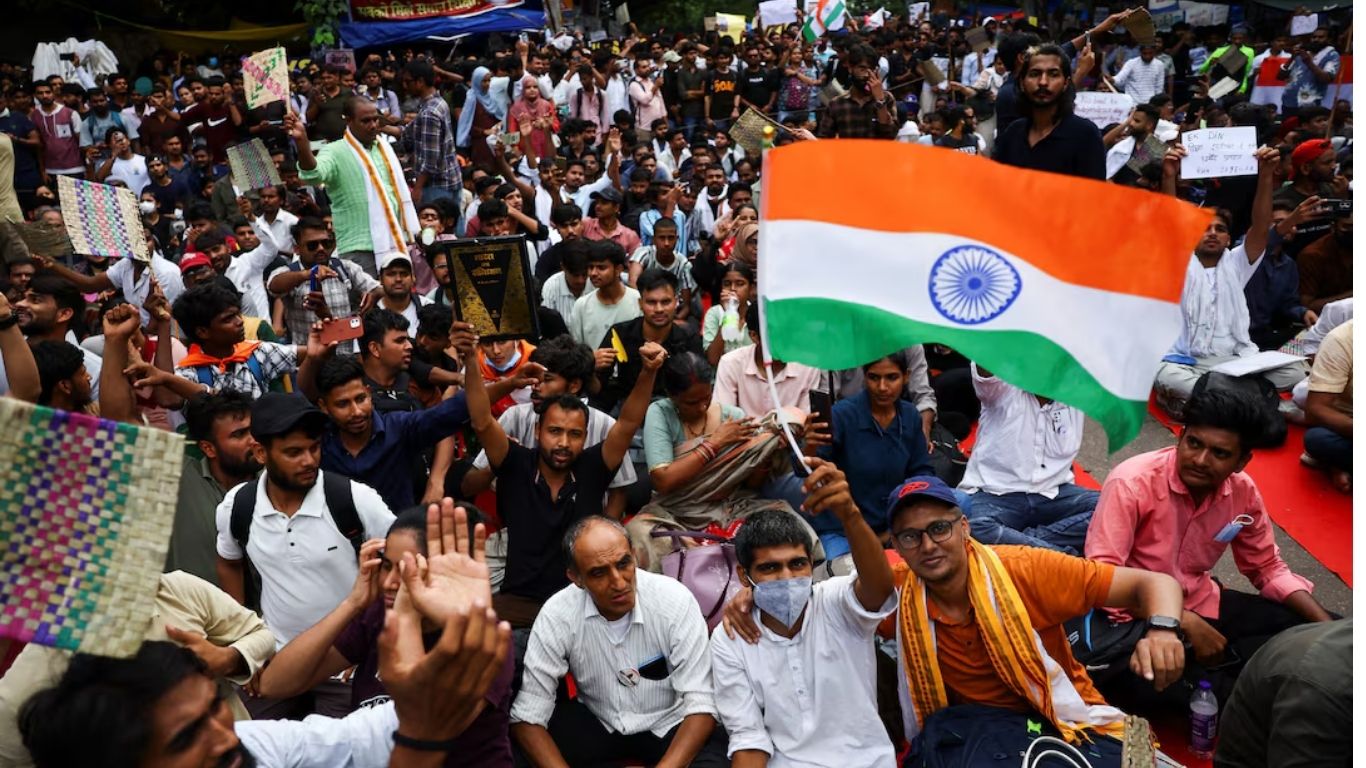
A youth group called the Cockroach Janta Party (CJP) - a satirical movement with no formal political backing - led the charge. The protests spread quickly, fueled largely by Instagram reels, memes, and short videos rather than traditional party organizing.
Sonam Wangchuk's Hunger Strike
Ladakh-based activist Sonam Wangchuk became a central figure in the movement. He went on a 26-day hunger strike at Jantar Mantar, New Delhi's designated protest site.
On July 21, police forcibly took Wangchuk to a hospital. Videos of the incident spread widely online and pushed public anger higher. He ended his fast on July 24, after talks with two federal ministers, but protesters vowed to continue until Pradhan resigned.
Police Crackdown Adds Fuel
On July 20, thousands of protesters tried to march toward Parliament. Police responded with tear gas and batons. Delhi Police said nearly 180 people were injured, including both officers and demonstrators.
Footage of the clashes drew condemnation from opposition leaders and further energized the movement.
Opposition Joins the Pressure Campaign
Congress leaders Rahul Gandhi and Priyanka Gandhi, along with Samajwadi Party's Akhilesh Yadav, joined the protests outside the Prime Minister's residence on July 21. Their involvement raised the political stakes inside Parliament, where the Monsoon Session was already underway.
Why the Government Gave In: Five Factors
1. The movement grew faster than expected. What started as anger over one exam leak became a nationwide campaign within weeks.
2. Parliament pressure mounted. Opposition MPs used the ongoing session to press the government daily.
3. Young voters matter for 2027. State elections, including in Uttar Pradesh, are due next year. A prolonged standoff with students risked alienating young voters.
4. RSS network concerns. The RSS and its student wing, the ABVP, have deep ties to India's student community. RSS chief Mohan Bhagwat had publicly urged dialogue with younger citizens, adding to internal pressure.
5. Regional precedent. Student-led movements in Bangladesh, Nepal, and Sri Lanka have shown how quickly youth unrest can reshape a government's plans. Indian officials were reportedly wary of a similar spiral.
A Supreme Court Judge Weighs In on Dissent
As the protests unfolded, Supreme Court Justice Ujjal Bhuyan raised concerns about shrinking space for dissent in India. Speaking in Bhopal, he questioned the detention of peacefully protesting students and criticized strict bail conditions used against activists.
Justice Bhuyan also criticized a Bombay High Court ruling that restricted a pro-Palestinian demonstration, saying peaceful expression shouldn't be limited on patriotism grounds.
What Happens Now
The CJP has declared its main demand met and announced the protests are over. The movement says the government has also agreed to review its exam reform proposals and compensate families of students who died following the exam controversy.
Still, questions remain. It's unclear whether new anti-cheating legislation will be enough to prevent future leaks, or whether trust in India's exam system can be rebuilt quickly.
What's clear: a leaderless, Instagram-driven youth movement just forced out a sitting Cabinet minister — a result that's likely to shape how young Indians organize politically going forward.
React to this post
Related Articles