Related Articles




BRICS Summit Dinner Showcases India’s Cuisine, Art and Cultural Diversity
Leaders and delegates attending the ongoing BRICS Summit in India were treated to a rich showcase of Indian cuisine, traditional ingredients, music, and cultural heritage on Saturday.
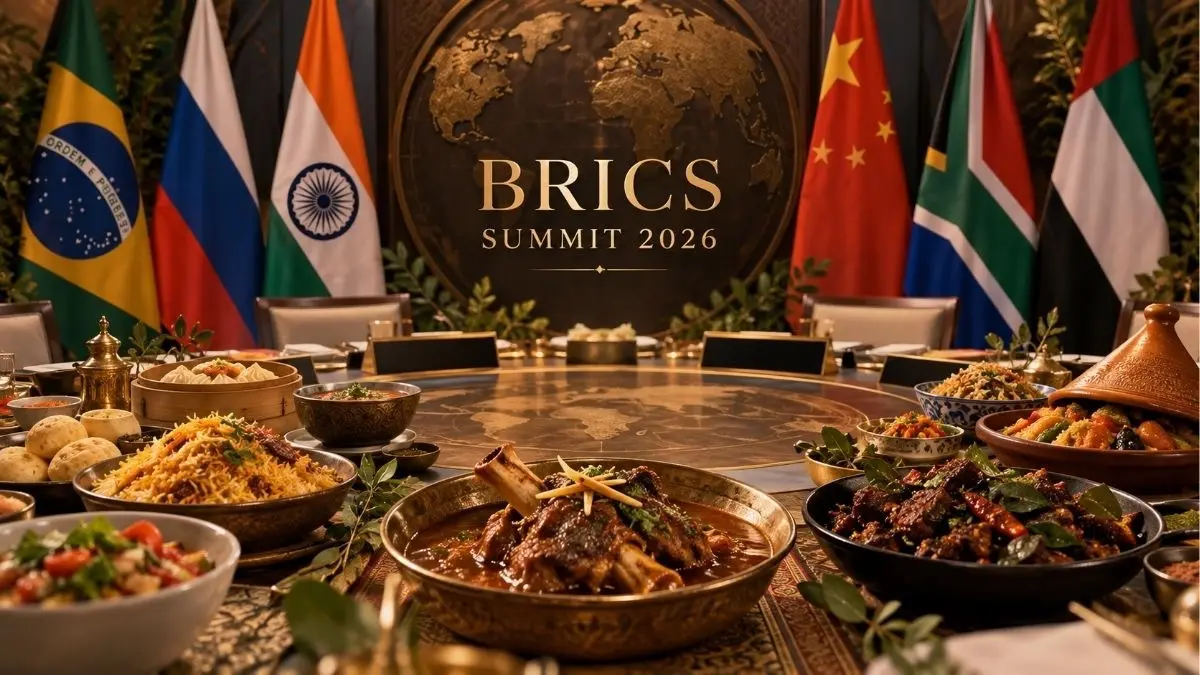
A special dinner hosted by Indian Prime Minister Narendra Modi at Bharat Mandapam in New Delhi placed Indian food and cultural diversity at the center of the evening. The carefully designed menu brought together flavors and culinary traditions from different parts of India while highlighting the country's growing emphasis on traditional grains such as millets.
The evening also featured a major cultural performance involving artists from India and BRICS member and partner countries.
Traditional Indian Grains Take Center Stage
Millets, promoted by India under the name “Shree Anna,” received particular attention during the dinner.
Several traditional grains, including Proso millet, Foxtail millet, Finger millet, and Buckwheat, were incorporated into different dishes. Rather than presenting them only as traditional foods, the menu paired these ingredients with contemporary culinary techniques.
Millets were used in dishes ranging from pulao and breads to desserts, demonstrating their versatility while emphasizing their nutritional and cultural importance.
The menu was designed to introduce international guests to India's diverse food traditions, with culinary influences stretching from Gujarat and the Himalayan region to South India and Old Delhi.
Gujarati-Inspired Khandvi and Mushroom Kebab
The dinner began with a selection of carefully prepared appetizers representing India's varied culinary traditions.
One of the highlights was a millet-based interpretation of Khandvi, a popular Gujarati delicacy. The dish was prepared as a soft roll and enhanced with mustard seeds, coconut, and curry leaves. It was accompanied by saffron mango, microgreens, and a curd-based dressing.
Another notable starter was Khumb Galouti, a delicate mushroom kebab inspired by the traditional galouti style. The mushroom preparation was served on Sheermal bread and paired with mint pearls to create a modern presentation.
A Main Course Featuring Flavors From Across India
The main course brought together dishes representing several regions of the country.
Guests were served Paneer Lababdar, featuring paneer cooked in a rich onion-and-tomato gravy. Another standout was Gucchi Marmik, which combined Himalayan Gucchi mushrooms and asparagus with saffron, raisins, and Mamra almonds.
South Indian cuisine was represented by carrot-beans poriyal, prepared with vegetables, spices, coconut oil, and fresh coconut.
The meal also included Golbheda Bhelle Sāru, a light broth prepared with Toor dal, fresh tomatoes, and curry leaves.
A millet-based pulao was another important part of the main course. Basmati rice and millets were cooked together with spices and seasonal ingredients, creating a dish that blended traditional grains with contemporary presentation.
The main course was accompanied by beetroot raita, fresh herbs, and a selection of Indian breads.
Traditional Indian Desserts With a Modern Touch
The dessert course continued the celebration of Indian culinary heritage.
One of the featured desserts was Old Delhi Fruit Cream with Jalebi, combining seasonal fruits and lightly whipped cream with crispy jalebi.
Another dessert, Mulberry Phirni, offered a contemporary presentation of the traditional rice-and-milk pudding. Slowly cooked milk and rice were topped with sweet mulberries and gold leaf, giving the dessert an elegant finish.
Together, the desserts highlighted India's ability to preserve traditional flavors while presenting them in modern forms.
160 Artists Perform at BRICS Cultural Programme
The evening was not limited to food. Around 160 artists from India, BRICS member nations, and partner countries participated in a special cultural programme titled “BRICS Symphony – One Rhythm, Many Cultures.”
Indian performers showcased classical dance traditions including Bharatanatyam, Kuchipudi, Odissi, and Kathak.
The performances were accompanied by traditional Indian instruments and music, while artists from other participating countries brought their own musical traditions to the programme.
The result was a collaborative cultural presentation that combined different musical styles and instruments with Indian classical dance.
Culture Becomes a Bridge Between Nations
The cultural programme was designed to highlight the diversity of civilizations represented within the BRICS grouping.
By bringing artists and musical traditions from different countries together on one stage, the event emphasized cultural exchange and cooperation beyond diplomatic and economic discussions.
The programme was led by the Indian Council for Cultural Relations (ICCR), reflecting the role of cultural diplomacy in strengthening relationships between participating nations.
BRICS Dinner Highlights India's Cultural Diplomacy
The special dinner provided more than an opportunity for international leaders to experience Indian food. It served as a carefully designed presentation of India's regional cuisine, traditional ingredients, performing arts, and cultural heritage.
From Gujarati-inspired Khandvi and Himalayan Gucchi mushrooms to South Indian vegetables and Old Delhi-style jalebi, the menu brought culinary influences from different parts of India together at a single international gathering.
Likewise, the combination of Indian classical dance with musical traditions from BRICS member and partner countries reinforced the message of cultural collaboration.
The BRICS Summit dinner in New Delhi offered international leaders a distinctive introduction to India's culinary and cultural diversity.
With traditional grains, regional dishes, Indian sweets, classical dance, and international musical collaborations, the event blended food and art with diplomacy. The evening demonstrated how cultural exchange can complement political and economic engagement, while giving participating countries an opportunity to celebrate their shared diversity.
React to this post
Related Articles