

Related Articles





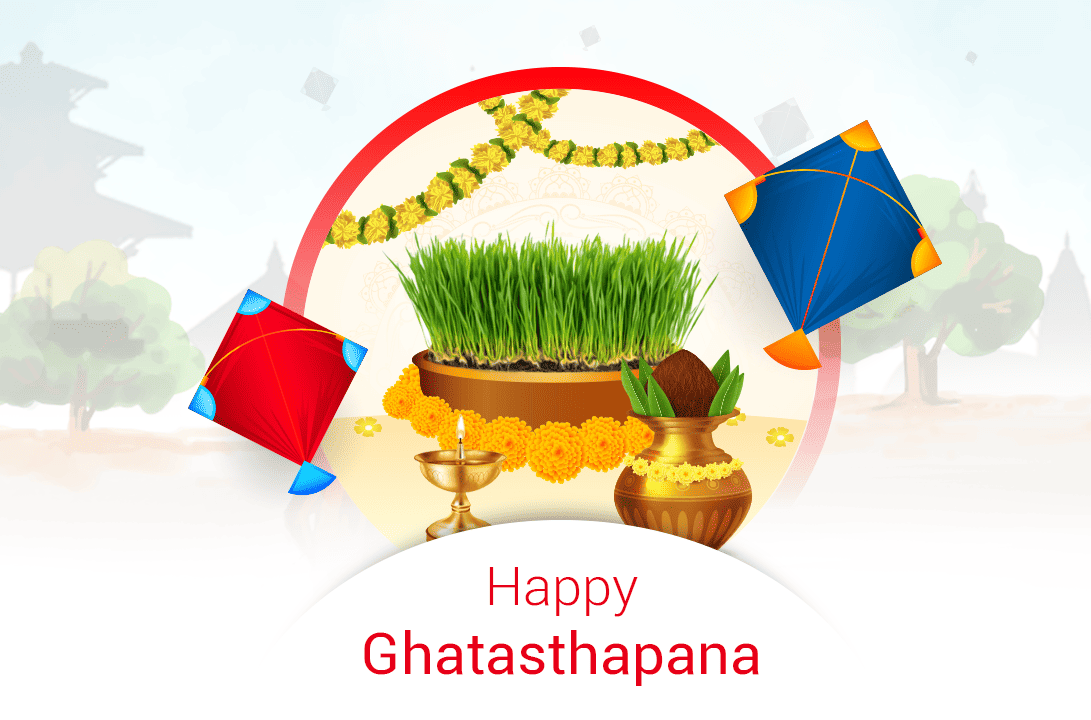
Ghatasthapana: The Sacred Beginning of Dashain
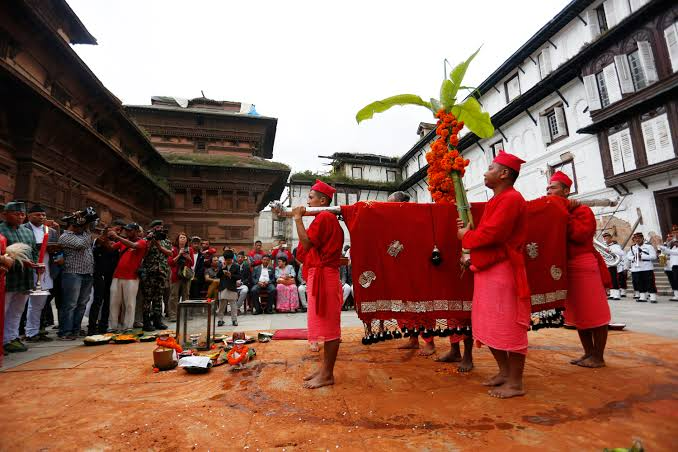
Ghatasthapana is the first day of Dashain, the most important and widely celebrated Hindu festival in Nepal. The word "Ghatasthapana" comes from two Sanskrit words: Ghata, meaning a sacred vessel or pot, and Sthapana, meaning establishment. Together, the term refers to the ritual of placing a holy Kalash, which symbolizes the presence of Goddess Durga and marks the beginning of the 15-day Dashain festival.
On this auspicious day, families wake up early, clean their homes, and prepare a special place for worship. A sacred Kalash filled with pure water is placed on a bed of clean soil or sand. Barley, maize, or wheat seeds are then sown around the Kalash to grow Jamara, the yellow sacred grass that represents prosperity, strength, and blessings. The worship area is usually kept in a quiet room where sunlight is limited, allowing the Jamara to grow until Vijaya Dashami.
Every day during Dashain, devotees perform prayers and offer flowers, fruits, incense, lamps, and other offerings to Goddess Durga. The rituals symbolize devotion, purity, and the hope for good health, happiness, success, and protection from negative forces. Many families also visit temples dedicated to Goddess Durga on this day to seek her blessings.
Ghatasthapana also carries deep spiritual meaning. It represents the victory of good over evil, inspired by the story of Goddess Durga defeating the demon Mahishasura. This message encourages people to overcome challenges with courage, faith, and righteousness. The growing Jamara serves as a reminder of growth, renewal, and the blessings that come with patience and devotion.
Beyond its religious importance, Ghatasthapana brings families together. Homes are cleaned and decorated, relatives begin preparing for family gatherings, and communities become filled with the festive spirit of Dashain. Markets grow busy as people shop for clothes, food, and gifts in anticipation of the celebrations ahead. For many Nepalis living abroad, Ghatasthapana also marks the beginning of a season of remembrance, cultural pride, and connection to their traditions.
The Jamara grown from Ghatasthapana is finally placed behind the ears of family members on Vijaya Dashami, along with Tika, as a symbol of blessings, prosperity, and protection from elders. This tradition strengthens family bonds and reflects the importance of respecting elders and preserving cultural values.
Today, Ghatasthapana continues to be observed with great devotion by Nepalis across the world. While the methods of celebration may differ from one family to another, the festival's core message remains unchanged-faith, unity, gratitude, and the triumph of good over evil. It serves as a beautiful reminder of Nepal's rich cultural heritage and the values that have been passed down through generations.
React to this post
Related Articles




 Best Gaming, 4K, & Budget Displays.png)