

Related Articles






Nepal Flood Crisis: What Happened, Who Is Affected and What Comes Next ?
Quick Answer
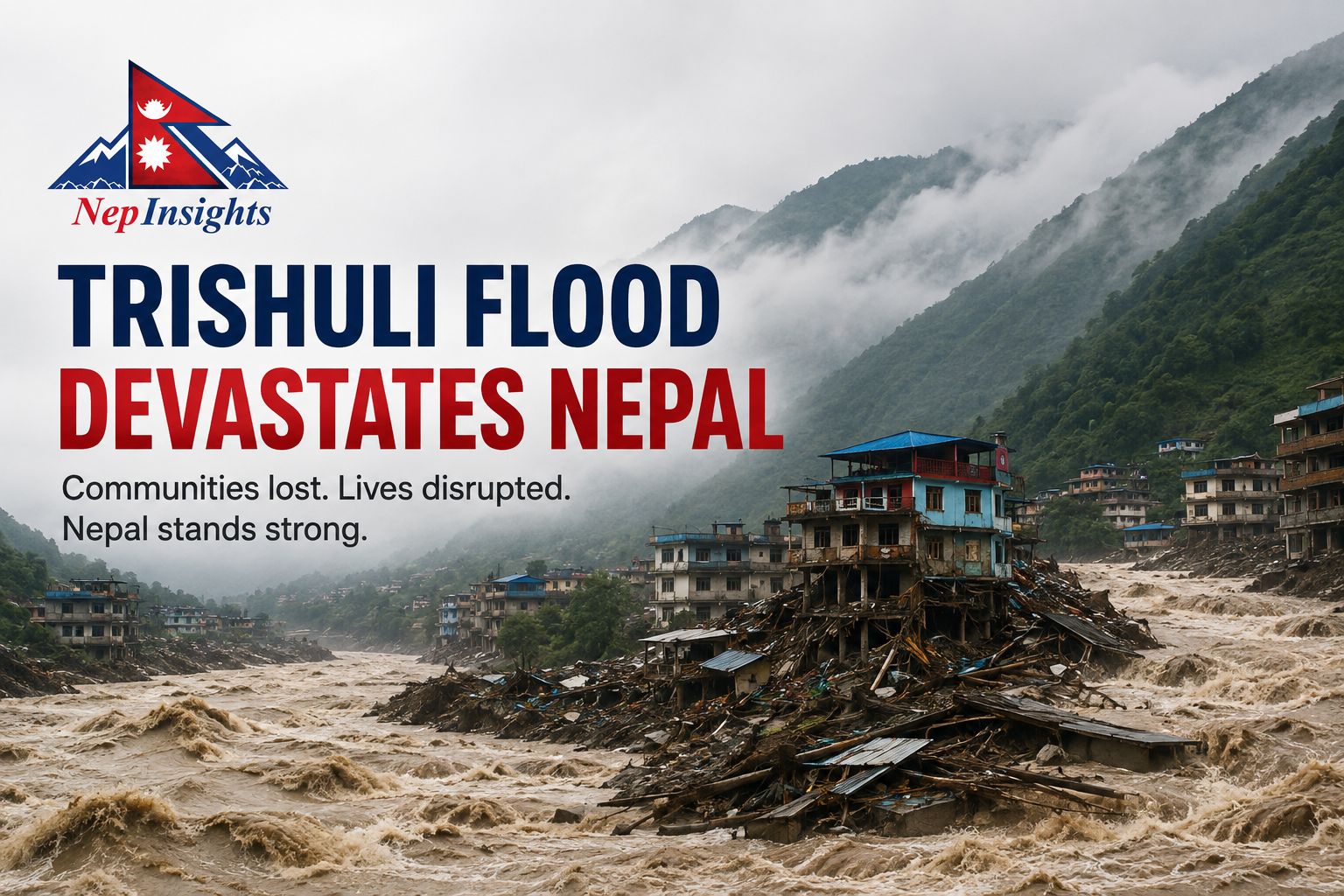
The effects of glacial disaster and monsoon rains caused floods in Trishuli River in August 26, 2026, near the boundaries of Nepal and China. Over a thousand people have lost their lives until early September 2026; on the other hand, several thousand others have gone missing while about 1.6 million have been affected in five districts of Nepal with Rasuwa and Nuwakot being the worst affected ones.
Introduction
Presently, Nepal is undergoing the most disastrous natural calamity to have hit the nation recently due to the earthquake of 2015. Following the flash floods in the Trishuli River area on August 26, 2026, the number of deaths has risen above 1,000, there are numerous people who have been missing, and 1.6 million people have been displaced or affected by the floods from five districts near the Chinese border. The rescue operations are taking place in the flooded tunnels, the government is providing aid, and it is said that the reconstruction process will be expensive, costing at least several billion dollars.The following article analyzes the event, its impact, and future plans of the Nepalese state regarding this issue.
What Happened: Timeline of the Nepal Flood Crisis
-
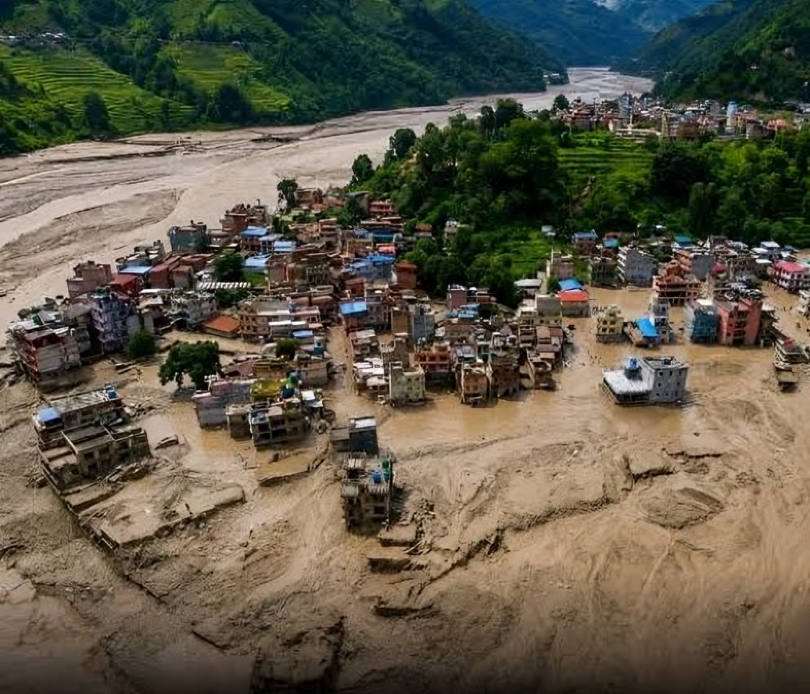
26 August 2026: The melting of glaciers near the Chinese border combined with monsoonal rains led to flash flooding and debris flows in the region of an approximate 72-kilometer stretch of the Trishuli river, sweeping away the Gyirong border crossing point and many settlements in Nepal.
-
27 – 28 August: The casualty figures increased rapidly, with more than 21,000 personnel from the Nepali Army, Armed Police Force, and Nepal Police involved in search and rescue operations. The dam wall of the temporary lake created by the flooding failed, disrupting the rescue mission temporarily.August 29: Nepal's finance minister told Reuters the country would need $4 - 5 billion to rebuild, as bad weather and fog forced rescue teams to pause operations in places.
-
August 31: Rescuers carried out a controlled explosion at the Upper Trishuli 3A Hydropower Station tunnel, where 933 workers remained missing.
-
September 2: Death toll reached 1,066 with 4,606 individuals still unaccounted for. 1.6 million individuals had been affected according to Nepal's Disaster Risk Reduction and Management Authority.
-
September 3: Prime Minister's Natural Disaster Relief Fund crossed Rs 7.77 billion, while an international dollar fund raised over $6 million.
-
September 4: Two individuals were rescued alive from Upper Trishuli 3A tunnel almost a week after floods, providing an unusual bit of positive news.
Who Is Affected: Hardest-Hit Areas and Human Toll
There were five districts that suffered significantly, and those two with the most damage were Rasuwa and Nuwakot. They are two mountainous districts situated in the Trishuli River Valley and comprise of farming communities, hydropower workers, and trading communities to Tibet.
Key Facts on Human Impact
-
Confirmed deaths: 1,066 as of September 2, with figures still being updated as bodies are recovered and identified.
-
People missing: approximately 4,606 as of the same date.
-
Total people affected: 1.6 million, according to Nepal's Disaster Risk Reduction and Management Authority.
-
People rescued: more than 12,000, according to relief organizations on the ground.
-
Homes destroyed: at least 7,500, with up to 20,000 additional houses needing repair.
-
Schools affected: 8 destroyed and 8 partially damaged across Rasuwa, Nuwakot, and Dhading, leaving only 3 schools in the region considered safe for students.
-
Unidentified remains are being held in 21 hospitals and temporary burial sites while forensic teams work to identify victims, including with help from international DNA specialists.
Survivors have described losing entire families in single households, and some communities have held symbolic funerals using small ceremonial fires for relatives whose remains have not been recovered.
The Damage: Infrastructure, Homes, and Economy
Apart from causing destruction of homes, the flood caused serious damage to the infrastructure that formed the transportation and energy lifeline in the mountainous region that is far away from civilization.
Roads and Bridges
Road and bridge damages amounting to roughly Rs 15 billion, with 101 bridges and 55 kilometers of roads affected. All highways in the Rasuwa district had been blocked and the Trishuli Corridor (NH42), which was already under repairs after being damaged during the floods in 2025, was hit again.
Energy
The event disrupted hydropower production of 431 MW, severely impacting a country whose economy runs largely on hydropower energy.
Reconstruction Costs
According to Nepal’s finance minister, the reconstruction of damaged infrastructure will cost Nepal about $4 to $5 billion.
Secondary Hazard
A debris dammed lake formed due to the flood, and there is a risk of breaching, which can cause a second wave of flooding.
Rescue and Relief Operations
There was an extensive domestic mobilization of more than 21,000 security forces, comprising around 9,300 military personnel, 7,900 police, and 4,200 Armed Police Force personnel with assistance from helicopters and medical teams. The primary hub of army-led search and rescue operations was Bidur town.
The most technically complex aspect of the rescue has been at the Upper Trishuli 3A Hydropower Plant, where scores of workers had been trapped in flooded tunnels. In what has been a rare success of the rescue effort amid the tragedy, explosives and excavators were used to remove mud and debris to rescue two survivors more than a week after the flood.
Rasuwa rescue trapped workers tunnel update
The weather has hampered efforts. Rescue work has been put on hold several times due to rain and fog, and searches were reported to be stopped at times due to poor visibility and dangerous conditions in Rasuwa.
Various humanitarian agencies such as UNICEF, Direct Relief, and Convoy of Hope have been providing food aid, drinking water, shelter material, hygiene kits, and medical assistance, along with a government-run psychosocial counseling and telemedicine service with over 50 mental health professionals stationed in Rasuwa and Nuwakot.

Priya Adhikari Nepal first woman helicopter captain rescue
Government and International Response
Nepal's Domestic Response
-
The government launched the Prime Minister's Natural Disaster Relief Fund, which raised over Rs 7.77 billion domestically by September 3, plus more than $6 million through a separate international donations account.
-
The Cabinet, including the Prime Minister, pledged to donate one month's salary to the relief fund.
-
Rs 675 million was released directly to 15 local government units across the five affected districts.
-
The Nepal Roads Department began installing temporary bailey bridges to restore access where permanent bridges were destroyed.
International Involvement
The Government of Nepal had initially rejected requests for international search and rescue operations due to coordination issues arising out of the joint international response to the 2015 earthquake. However, it allowed entry of specialists from countries like India, China, Australia, and South Korea for tunnel rescues, forensic analysis and DNA testing, and requested heavy lift cargo drones from international partners to access remote mountain regions.
Meanwhile, on the Chinese side of the border, road workers have been working against strong current flows that have increased up to six times faster than usual and have managed to clear the route to the Gyirong port by September 2. China has also helped to evacuate 114 stranded Nepalese citizens via the Tatopani border post, while its leaders publicly advocated for better disaster monitoring and early warning systems in the future.
The Foreign Ministry of Nepal has also begun diplomatic appeals for funding, tunnel rescue and forensic assistance from the international community.
What Caused the Disaster
The event that set things off was a glacier melt close to the Nepal-China border, which when mixed with monsoon rains caused a large amount of water, mud, and rocks to flow down through the Trishuli river valley without much warning. However, the extent of devastation witnessed goes beyond the initial hazard.
-
Distant, dangerous terrain: Rasuwa and Nuwakot are located in river valleys where roads, settlements, and hydropower infrastructures are located in proximity to the river with very little room left in case of an event.
-
Lack of early warnings: There were very few chances for communities and hydropower people in the border area to get prepared for a disaster.
-
Vulnerability as a consequence of previous events: Nepal's mountainous infrastructure has been already compromised due to earlier events, such as the 2025 flooding which also damaged the same Trishuli Corridor road.
-
Cross-border challenges: Due to the fact that the glacier, which caused the flooding, is situated in Tibet, there is a need for coordination between Nepal and Chinese authorities, which both agree should be better.
What Comes Next: Recovery and Rebuilding
-
The Nepalese government has already indicated that recovery may take several years and may also require significant international assistance.
-
Conduct rescue and search operations. Searching for missing individuals, especially hydroelectricity workers in flooded tunnels, is the priority task.
-
Restore emergency infrastructure. Construction of temporary bridges and repair of roads to enable access to communities cut off by floods prior to winter.
-
Raised finances through international community. Since the cost of restoration is around $4–5 billion, Nepal is looking to raise money from international community.
-
Builiding houses and schools. Around 7,500 damaged houses and many damaged schools need to be reconstructed.
-
Restore the hydropower plant. Restoring the 431 megawatts of hydropower lost to the floods is of prime importance.
-
Develop early warning system. Nepal and China have both indicated their intention to develop the early warning system for glacial lakes and flash floods because of the criticism regarding lack of warnings of the disaster.
-
Manage secondary flood risk. The lake of debris created by this disaster also has to be either drained or managed to prevent any future floods from occurring.
-
Long-term psychosocial support must be maintained. The psychosocial support programs that are now being developed have to continue beyond the emergency stage due to the great number of families impacted by the catastrophe.
Frequently Asked Questions
1. What is the number of deaths due to floods in Nepal?
The Nepalese police claim that by September 2, 2026, a total of 1,066 people had died and 4,606 others were still missing.
2. Which part of Nepal was hit the hardest due to the floods?
The worst hit districts by the floods were Rasuwa and Nuwakot, although there were five districts which were affected by the floods and affected 1.6 million people.
3. What are the reasons for the floods in Nepal in 2026?
It was the melting of the glaciers in Nepal-China border areas and the monsoon rains which resulted in flash floods and mudflows in the Trishuli River areas.
4. What will the cost be when rebuilding following the Nepal floods?
It is anticipated that Nepal will spend between $4 billion and $5 billion on reconstruction.
5. Why did Nepal at first deny some international rescue teams entry?
The coordination and management issues with the joint international rescue operation following the 2015 earthquake were cited by Nepal as the reason for refusing some international rescue teams, although it subsequently allowed specialized experts from India, China, Australia, and South Korea for rescuing in tunnels and for forensics.
6. Is there any continued threat following the first flooding incident?
Yes. There is the possibility of another wave of water resulting from the debris-dammed lake that was caused by the flood.
7. What can be done to help those affected by Nepal floods?
Donations from international organizations such as UNICEF, Direct Relief, and Convoy of Hope can be made to assist victims of Nepal floods.
Key Takeaways
-
The flood catastrophe of Nepal, which occurred in August 2026, has claimed more than 1,000 lives and made thousands missing, becoming the worst calamity in Nepal after the 2015 earthquake.
-
Among other districts, the district of Rasuwa and Nuwakot have been most affected by this catastrophe, as it affected around 1.6 million people from five different districts.
-
The catastrophe has resulted in the destruction of 7,500 houses, 101 bridges, and 431 MW of hydropower.
-
Rescue efforts continue, including tunnel clearance works at the Upper Trishuli 3A Hydropower Plant, where survivors have been located over a week after the floods occurred.
-
Nepal has deployed over 21,000 security forces along with raising several billion rupees of funding domestically, while also seeking international assistance.
-
The cost of reconstruction is projected to be around $4-5 billion and will take several years, with the focus on construction of houses, infrastructure, hydropower facilities, and flood prediction systems.
-
There is an additional threat of floods from a debris-dammed lake.
Conclusion
However, Nepal's flood disaster continues. Even if the search and rescue efforts are starting to slow down in some areas, there are still thousands of families that are looking for their missing loved ones, whole communities are left homeless and without schools, and the government has already started to seek billions of dollars in aid to help them reconstruct the country. The success of the subsequent measures will depend greatly on the speed with which the country manages to rebuild its infrastructure, develop warning systems for future floods and integrate temporary aid into a long-term reconstruction strategy for the affected districts. At present, the scale of losses in Rasuwa, Nuwakot, and other nearby districts serves as a striking proof of this fact.
React to this post
Related Articles