
Related Articles



Maha Ashtami 2083: Significance, Goddess Durga Worship, Rituals and Traditions in Nepal
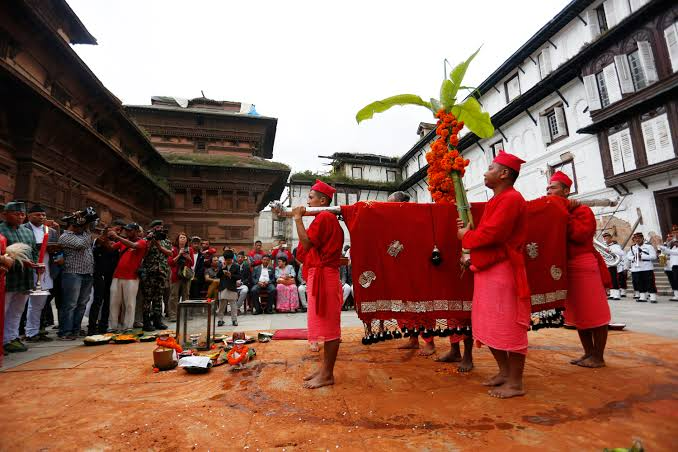
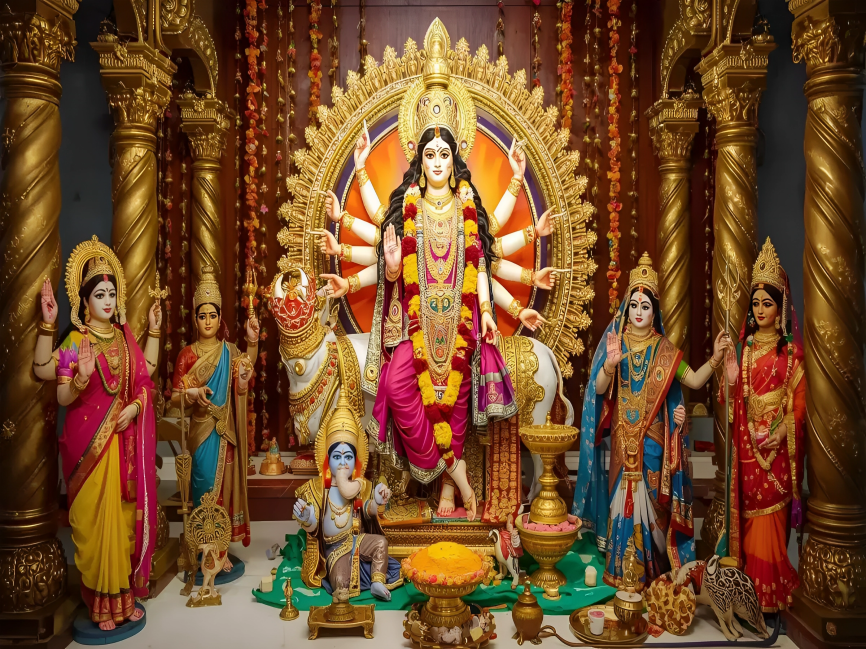
Maha Ashtami 2083 is being observed across Nepal on Sunday, October 18, 2026, as devotees celebrate the eighth day of Bada Dashain with prayers, traditional offerings and special worship of Goddess Durga Bhawani. The day holds an important place in Nepal's biggest Hindu festival, symbolizing divine power, the triumph of good over evil, and the protection of families and communities.
On Maha Ashtami, devotees visit temples dedicated to Goddess Durga, perform puja at home, recite sacred scriptures and continue the rituals associated with Dashain. In many communities, traditional animal sacrifices are also performed, while families that do not follow this practice offer fruits, vegetables and other symbolic offerings.
According to Radio Nepal, special worship is being performed at Dashain Ghars, temples and military installations across the country. The day also includes the worship of Mahakali, Mahalaxmi and Mahasaraswati, three divine forms associated with power, prosperity and knowledge.
When Is Maha Ashtami 2083?
Maha Ashtami falls on the eighth lunar day, known as Ashtami Tithi, during the bright fortnight of the month of Ashwin in the Hindu calendar. In Nepal, it is observed as the eighth day of Bada Dashain.
-
Festival: Maha Ashtami 2083
-
Date: Sunday, October 18, 2026
-
Nepali date: Kartik 1, 2083 BS
-
Religious significance: Worship of Goddess Durga and her powerful manifestations
-
Associated festival: Bada Dashain
-
Next major observance: Maha Navami, followed by Vijaya Dashami and Tika
Festival dates and specific puja timings can vary according to local Panchang calculations and religious traditions. Devotees planning special ceremonies should consult the Nepali calendar or their family priest for the appropriate time.
Religious Significance of Maha Ashtami
Maha Ashtami commemorates the divine power of Goddess Durga and her role in overcoming evil forces. According to Hindu religious traditions, the Goddess represents courage, protection and the restoration of righteousness.
The day is especially associated with the worship of powerful manifestations of the Divine Mother. Devotees pray for peace, good health, prosperity and protection for their families.
Maha Ashtami also represents the deeper spiritual message of Dashain: that courage, truth and righteousness can overcome negativity and injustice. For many Nepali households, the occasion is an opportunity to renew their faith, maintain family traditions and seek blessings for the future.
Worship of Mahakali, Mahalaxmi and Mahasaraswati
One of the important aspects of Maha Ashtami in Nepal is the worship of three divine forms associated with different aspects of life and spiritual strength.
Mahakali: Power and Protection
Mahakali represents strength, courage and the destruction of evil. Devotees worship her for protection against negative forces and for the courage to face life's challenges.
Mahalaxmi: Prosperity and Abundance
Mahalaxmi is associated with wealth, good fortune and prosperity. Worshippers seek blessings for the well-being of their families and success in their personal and professional lives.
Mahasaraswati: Knowledge and Wisdom
Mahasaraswati represents learning, wisdom, creativity and knowledge. Her worship reflects the importance of education, understanding and spiritual development.
Together, these divine forms represent the different qualities devotees seek through prayer and devotion during Dashain.
Maha Ashtami Rituals and Traditions in Nepal
Maha Ashtami is observed through a range of religious practices that vary among families, communities and temples.
1. Special Durga Puja
Devotees perform special prayers to Goddess Durga at home and in temples. Offerings may include flowers, incense, lamps, fruits, sweets and other items according to family customs.
Many households maintain a designated Dashain worship area, where daily rituals continue throughout the festival.
2. Worship at Temples
Temples dedicated to Durga, Kali and other forms of the Divine Mother receive devotees from early morning. In the Kathmandu Valley and other parts of Nepal, people visit prominent shrines to offer prayers and participate in the day's religious observances.
Temple rituals and crowd levels vary by location.
3. Recitation of Durga Saptashati
The recitation of the Durga Saptashati, a sacred text associated with Goddess Durga, is an important practice during Navaratri and Dashain.
Devotees listen to or recite sacred verses as an expression of faith and as a prayer for strength, protection and well-being.
4. Traditional Offerings and Animal Sacrifice
Animal sacrifice is part of Maha Ashtami observances in some Hindu communities and temples in Nepal. Goats, ducks and roosters may be offered according to established religious customs.
However, not every family or worshipper follows this practice. Many devotees choose fruits, vegetables, coconuts and other symbolic offerings instead.
These differences reflect the diversity of religious traditions followed across Nepal.
5. Worship of Weapons and Equipment
Maha Ashtami is also associated with the worship of weapons, tools and other important equipment. In Nepal's traditional military observances, weapons are consecrated as part of rituals connected with Goddess Durga's power and protection.
Some households and institutions also perform puja for vehicles, machinery or tools that are important to their daily work. These practices express gratitude, responsibility and the hope for safety.
Kalratri Worship on Maha Ashtami Night
The night associated with Maha Ashtami is known for special worship of Kalratri, a fierce manifestation of the Divine Mother associated with the destruction of darkness and evil.
At Hanuman Dhoka's Dashain Ghar in Kathmandu, a special Kalratri worship ceremony is traditionally performed at midnight. The ritual is an important part of the capital's royal and cultural Dashain traditions.
Kalratri worship reflects the belief that divine power protects devotees and helps overcome fear, ignorance and destructive forces. The observance also highlights the historical and cultural importance of Dashain rituals in Nepal.
Maha Ashtami at Dashain Ghars and Military Installations
Dashain Ghars hold a central place in the festival's religious observances. These designated worship spaces are used for prayers and rituals throughout Dashain.
On Maha Ashtami, special ceremonies are performed at Dashain Ghars and military installations, continuing traditions that connect religious devotion with Nepal's historical institutions.
These observances demonstrate how Dashain is celebrated not only in individual homes and temples but also through collective ceremonies that have been maintained across generations.
What Is the Difference Between Maha Ashtami, Maha Navami and Vijaya Dashami?
Maha Ashtami is one of the key days leading to Vijaya Dashami, the main day of Dashain Tika and blessings.
| Festival day | Significance |
|---|---|
| Maha Ashtami | Special worship of Goddess Durga and her powerful manifestations |
| Maha Navami | Continued Durga worship and traditional rituals associated with the ninth day |
| Vijaya Dashami | The main day for receiving Tika, Jamara and blessings from elders |
| Kojagrat Purnima | The full-moon observance that marks the traditional conclusion of Dashain |
In 2083 BS, Vijaya Dashami falls on October 21, 2026. On this day, families gather to receive red or white Tika, Jamara and blessings from elders, although specific customs vary by family and community.
How Nepali Families Observe Maha Ashtami
For many families, Maha Ashtami is a day of devotion, preparation and togetherness. Family members may begin the day with prayers, visit a nearby temple, prepare traditional food and participate in household rituals.
Some families continue fasting or other forms of religious observance, while others focus on worship and offerings. The way the festival is celebrated depends on regional customs, family traditions and individual religious practices.
As Dashain approaches its most widely celebrated day, Maha Ashtami provides an important moment for families to reflect on the spiritual meaning of the festival and prepare for the blessings and gatherings of Vijaya Dashami.
Maha Ashtami 2083: A Celebration of Faith and Divine Strength
Maha Ashtami remains one of the most significant observances of Bada Dashain in Nepal. Through Durga worship, sacred recitations, temple visits and long-standing cultural traditions, devotees express their faith in divine protection and the victory of good over evil.
As Nepal observes Maha Ashtami on October 18, 2026, the festival continues to unite religious devotion with cultural heritage and family traditions. The occasion also sets the stage for Maha Navami and Vijaya Dashami, when the celebrations of Dashain reach their most widely recognized moments.
For devotees across the country, Maha Ashtami is a reminder of courage, compassion, spiritual strength and the enduring cultural significance of Dashain.
React to this post
Related Articles