
Related Articles



Maha Nawami 2083: Significance, Rituals and Traditions of Dashain’s Ninth Day
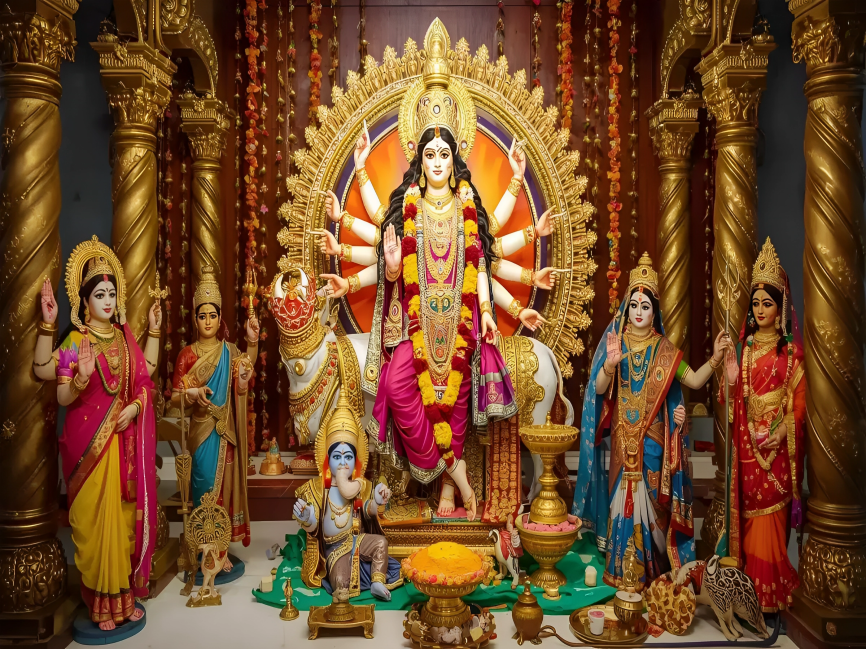
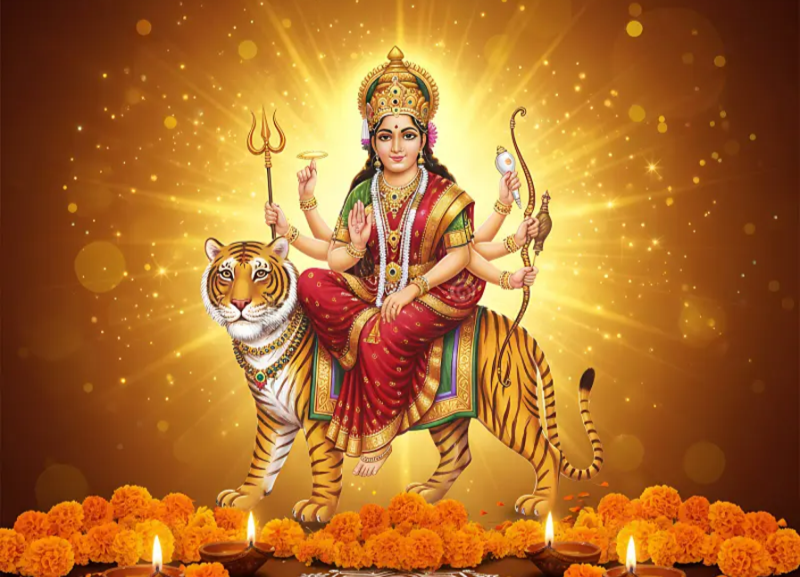
Maha Nawami, the ninth day of the Hindu festival of Bada Dashain, is being observed across Nepal on Tuesday, October 20, 2026. The day is dedicated to the worship of Goddess Durga and holds deep religious and cultural significance for Hindu devotees.
Maha Nawami is one of the most important days of Dashain, symbolizing devotion, strength, protection and the victory of good over evil. Devotees visit temples, perform special pujas at home and offer prayers to Goddess Durga for peace, prosperity and well-being.
Religious Significance of Maha Nawami
Maha Nawami is dedicated to Goddess Durga and her divine power to protect the world from evil. According to Hindu religious tradition, the day is associated with Goddess Chamunda’s victory over the demon Raktabija.
Devotees worship the Goddess with the belief that her blessings bring courage, strength, prosperity and protection to their families. Special prayers and recitations of sacred texts, including the Durga Saptashati, are performed in many homes and temples.
Major Rituals Observed on Maha Nawami
Worship of Goddess Durga
Devotees offer flowers, fruits, incense and other traditional offerings to Goddess Durga. Temples and households organize special worship ceremonies, while many people observe fasting or follow their family’s religious customs.
Worship of Tools, Vehicles and Weapons
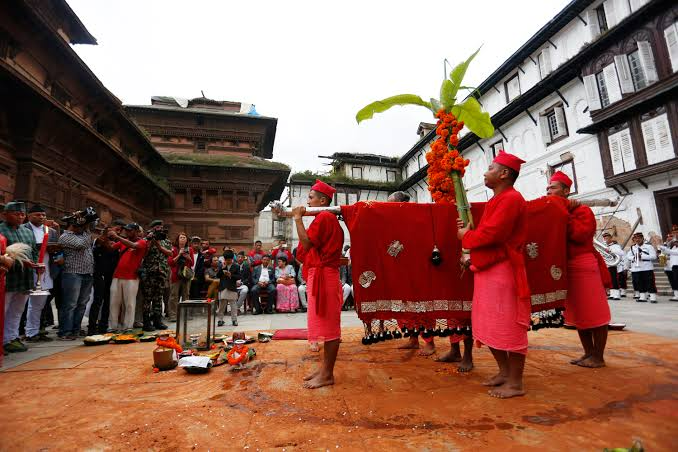
Maha Nawami is also associated with the worship of tools, machinery, vehicles and weapons. People seek blessings for safety, success and protection in their work and daily lives. Security institutions also observe traditional armoury worship, known as Kot Puja.
Jamara Offerings and Temple Visits
Jamara, planted during Ghatasthapana, is offered during religious rituals and at temples dedicated to Goddess Durga. Devotees visit Shakti Peeths and other sacred sites to offer prayers and receive blessings.
In Kathmandu, Taleju Temple at Hanuman Dhoka traditionally opens to the public on Maha Nawami, attracting devotees who come to pay homage to Goddess Taleju Bhawani.
Traditional Offerings
Animal sacrifices are performed at some temples and shrines according to local customs. Families and devotees who do not follow sacrificial traditions may offer fruits, vegetables and other symbolic offerings instead.
Maha Nawami and the Final Days of Dashain
Maha Nawami marks the final day of Navadurga worship before Vijaya Dashami, the main day for receiving Tika and Jamara from elders. In 2026, Maha Nawami falls on October 20, while Vijaya Dashami is observed on Wednesday, October 21.
As Dashain approaches its conclusion, families prepare to gather, exchange blessings and celebrate the festival’s message of hope, renewal and the triumph of good over evil.
Maha Nawami is a day of faith, devotion and cultural heritage for people across Nepal. Through prayers, temple visits and traditional rituals, devotees honour Goddess Durga and seek blessings for a safe, peaceful and prosperous future.
The festival also reflects Nepal’s rich religious traditions and the values of family, community and spiritual strength that remain central to Dashain celebrations.
React to this post
Related Articles