
Related Articles





Democracy as a Shield: Debate Over Legitimacy in Global Conflicts
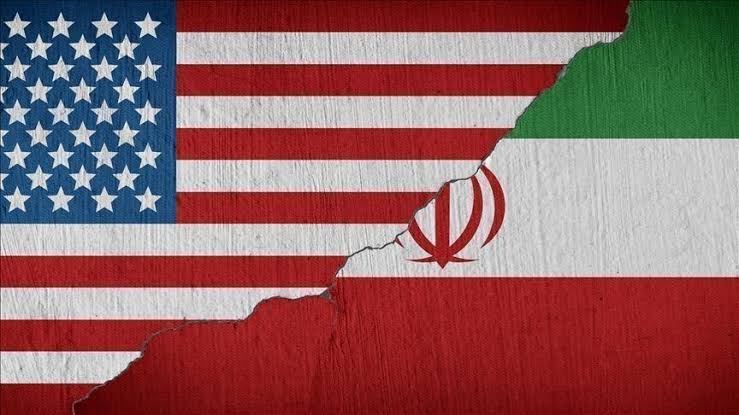
A recent political commentary has sparked discussion by examining how the concept of democracy is frequently used as a measure of legitimacy in international conflicts. The analysis highlights how political systems in countries such as the United States, Israel, and Iran are often judged differently in global discourse.
The commentary argues that in Western political narratives, legitimacy is often closely associated with electoral systems. According to the author, the idea that elections alone establish moral authority can overlook deeper questions about policy decisions, international law, and the humanitarian consequences of military actions.
In the case of the United States, the article suggests that democratic processes operate within complex political and economic structures influenced by corporate interests, lobbying groups, and large media organizations. While elections determine leadership, critics argue that broader political dynamics also shape policy outcomes and public opinion.
The commentary also discusses Israel’s long-standing claim of being the “only democracy in the Middle East.” According to the author, this description has frequently been used in diplomatic and political discussions to emphasize Israel’s political system. Critics, however, argue that democratic institutions alone do not automatically address wider international concerns regarding military conflicts or humanitarian issues.
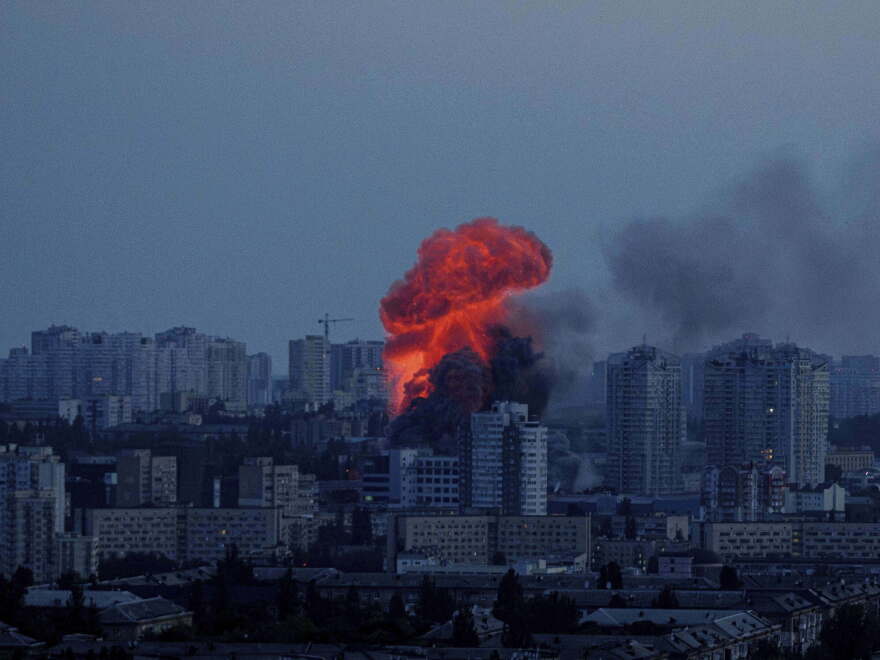
Historically, the article notes that the language of democracy has sometimes been used to frame military interventions around the world. Conflicts in countries such as Iraq and Afghanistan were often presented by Western governments as efforts to promote freedom and democratic governance, though these actions remain widely debated among scholars and policymakers.
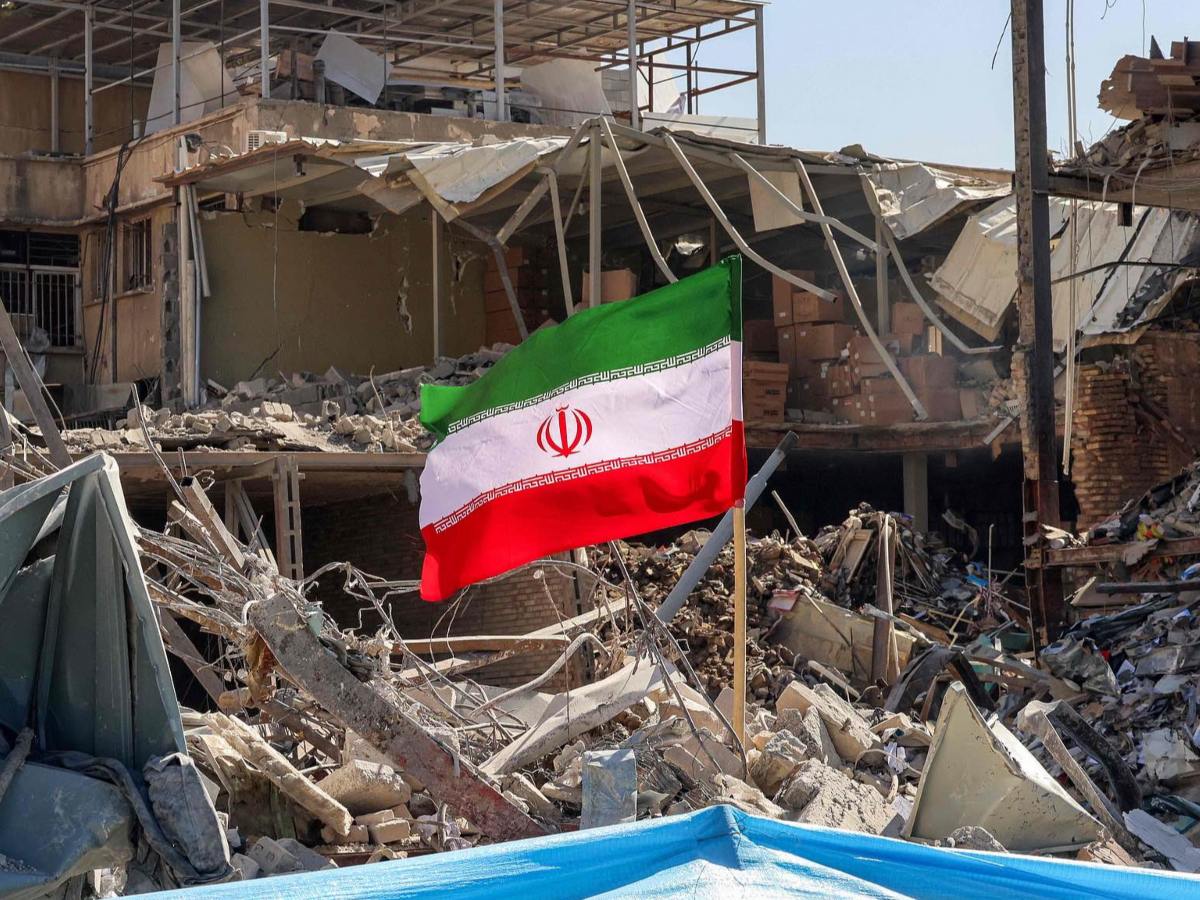
The analysis also focuses on Iran, which operates under a different political structure that combines religious authority, electoral institutions, and revolutionary history. The author argues that Iran’s political legitimacy is often discussed through a Western perspective that compares it to liberal democratic models.
Iran’s system includes an elected president and parliament, alongside religious institutions that play a significant role in governance. Supporters of the system describe it as a unique political model shaped by historical and cultural factors, while critics argue that certain mechanisms restrict political pluralism.
Despite decades of international pressure, economic sanctions, and regional tensions, Iran has maintained political continuity. The commentary suggests that this endurance reflects internal political cohesion as well as strong nationalist sentiment among segments of the population.
The broader argument presented in the article is that legitimacy in global politics cannot be defined solely by one political model. Instead, it is shaped by historical context, political culture, and public participation within each society.
The author concludes that while democracy remains an important system of governance, it should not automatically serve as a justification for military actions or as a shield against criticism. According to the analysis, global political debates should focus not only on electoral systems but also on accountability, international law, and the humanitarian consequences of political decisions.
The commentary was written by Ramzy Baroud, a journalist and political analyst known for writing on Middle Eastern politics and international relations.
React to this post
Related Articles