
Related Articles






PM Balen Shah Resets Nepal’s Diplomatic Posture, Receives Congratulatory Letters from UK and China
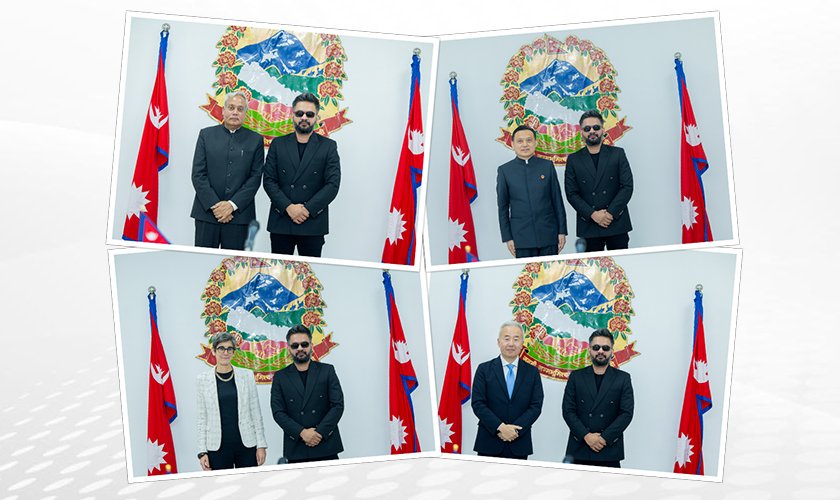
Kathmandu, Nepal – April 2026: In a historic move, Prime Minister Balendra (Balen) Shah held a joint meeting with 17 Kathmandu-based ambassadors, signaling a major shift in Nepal’s diplomatic approach. For the first time since 2011, newly appointed foreign envoys met together with the Prime Minister, departing from the tradition of individual, unstructured meetings.
The meeting also marked the delivery of congratulatory letters from world leaders. British Ambassador Rob Fenn handed over a letter from UK Prime Minister Keir Starmer, while Chinese Ambassador Chen Song shared Beijing’s commitment to Nepal’s development.
UK Congratulates PM Balen Shah on Election
In his letter, PM Starmer congratulated Balen Shah on his election and recalled the long-standing friendship between Nepal and the United Kingdom. The British Prime Minister emphasized shared priorities, including:
- Economic growth
- Climate resilience
- Security cooperation
Starmer also highlighted that Nepal-UK relations have evolved into a modern, thriving partnership and expressed his commitment to further collaboration, underlining people-to-people ties and a prosperous, democratic, and resilient Nepal.
Ambassador Fenn noted the UK’s appreciation for Nepal’s democratic resurgence and its support for the new momentum under PM Balen’s leadership.
China Eager to Share Development Benefits
Following the meeting, Chinese Ambassador Chen Song stated via social media that China is ready to share the benefits of its high-quality development with Nepal. He emphasized:
- Nepal’s participation in China’s development progress
- Confidence in a deepening strategic partnership benefiting both nations
- Strengthened cooperation in development and economic growth
Ambassador Song expressed honor at meeting PM Balen Shah and praised the historic nature of the joint envoy meeting.
Historic Diplomatic Reset
This joint meeting marks a break from Nepal’s post-2006 tradition where prime ministers met ambassadors individually, often without Foreign Ministry briefings or documentation. On the same day, the Ministry of Foreign Affairs briefed all Cabinet ministers on Nepal’s diplomatic code of conduct for the first time since 2011.
Former Nepali Army Major General Binoj Basnyat described the move as a “strategic diplomatic reset,” signaling a shift from personality-driven diplomacy to a coherent, state-led approach.
During the meeting, PM Balen Shah outlined his government’s priorities:
- Safety and security of Nepali migrant workers and diaspora
- Good governance
- Economic development
- Balanced foreign relations with neighbors and partners
Representatives from India, China, the US, the UK, Japan, France, Germany, Saudi Arabia, Qatar, Israel, Pakistan, Bangladesh, Sri Lanka, South Korea, Switzerland, Egypt, and the UN were present. All envoys expressed support and optimism for the new government’s vision.
Building a New Nepal
The combined presence of foreign ambassadors reflects PM Balen Shah’s call for collective support to build a “New Nepal”, emphasizing peace, prosperity, and inclusive development. Analysts suggest this approach sends a signal of neutrality, particularly amid growing geopolitical competition in the region.
Former ambassador Shambhu Ram Simkhada noted that past governments had allowed “reckless” personal diplomacy, bypassing institutional norms. The new government, he said, now faces the challenge of translating symbolic diplomacy into sustained policy.
React to this post
Related Articles