
Related Articles






Prime Minister Balen Shah Faces Parliament Questions on Governance, Border Issues, Cooperatives, and Economic Policies
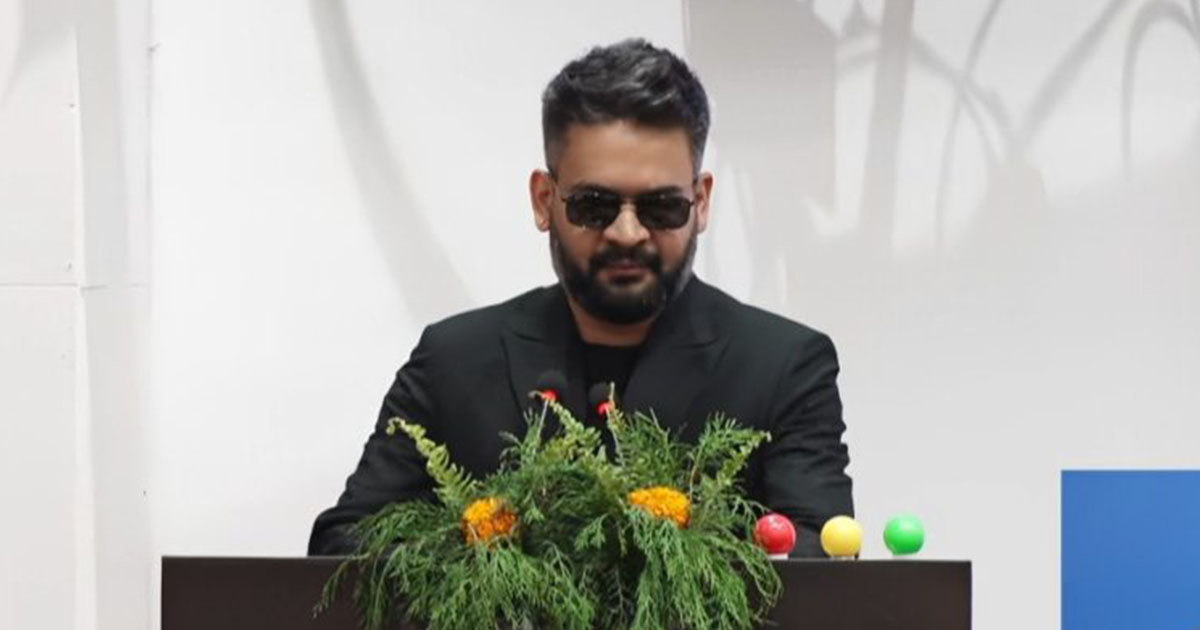
Prime Minister Balen Shah appeared before the House of Representatives on Sunday for a question-and-answer session with lawmakers, addressing a wide range of national issues including governance reforms, border disputes, cooperative fraud, slum settlement management, foreign employment, electricity taxation, and voting rights for Nepalis living abroad.
Despite objections from some opposition members regarding procedural concerns, the parliamentary session proceeded, allowing MPs from various political parties and an independent member to directly question the Prime Minister.
Government to Review Major Investigation Reports
Responding to concerns about reports related to recent protests and public disturbances, Prime Minister Shah stated that the government would examine all reports submitted by various commissions and authorities before deciding on necessary actions.
He emphasized the government's commitment to accountability and said recommendations from investigative bodies would be reviewed collectively to ensure appropriate implementation.
Nepal Committed to Resolving Border Issues Through Diplomacy
On questions related to Lipulekh, Limpiyadhura, and Kalapani, the Prime Minister reiterated Nepal's commitment to resolving the long-standing border dispute through diplomatic channels.
He informed lawmakers that official communications had already been exchanged with India and that both countries had agreed to continue discussions involving historians, surveyors, and technical experts to seek a lasting solution.
Why Nepal Delayed Graduation from LDC Status
Addressing concerns over Nepal's decision to postpone graduation from the Least Developed Country (LDC) category, Shah explained that retaining certain export privileges and trade benefits remains strategically important for the country's economy.
According to the Prime Minister, maintaining preferential trade access for a few more years will help strengthen exports and economic stability before fully transitioning from LDC status.
Government Promises Support for Genuine Slum Dwellers
The issue of unmanaged settlements and riverbank communities was also raised during the session.
Prime Minister Shah said the government has begun relocating vulnerable families living in high-risk areas and plans to provide long-term solutions for genuine landless citizens. He acknowledged that the problem has existed for decades and warned that resolving it would require time and coordinated efforts.
Cooperative Scam Victims Receiving Relief
Responding to concerns regarding cooperative fraud cases, Shah stated that funds have already been mobilized to provide relief to victims.
He clarified that money recovered from cooperative institutions is being distributed directly to affected depositors and assured lawmakers that efforts to recover additional funds and hold responsible individuals accountable would continue.
Government Studying Solutions to Monkey Damage in Agriculture
The Prime Minister also addressed growing complaints from farmers regarding crop damage caused by monkeys.
He revealed that a special study committee has been formed to explore humane and sustainable solutions to the problem. The government is expected to implement recommendations once the study is completed.
Crackdown on Visit Visa Abuse and Human Trafficking
On the issue of Nepalis being exploited abroad through visit visas, the Prime Minister said strict monitoring mechanisms have been introduced at airports and relevant government agencies.
Authorities are also exploring legal pathways to protect workers who travel abroad and later secure employment opportunities while ensuring stronger safeguards against trafficking and labor exploitation.
Why Electricity Bills Include Additional VAT
Responding to criticism over the additional VAT imposed on electricity consumption, Shah argued that Nepal's current power infrastructure is not yet prepared for a sudden shift toward full electrification.
He explained that revenue generated through the tax would be invested in upgrading transformers, substations, and transmission networks to support increased electricity demand in the future.
Voting Rights for Nepalis Abroad Under Discussion
The Prime Minister confirmed that the government is actively studying mechanisms to allow millions of Nepalis living abroad to participate in elections.
Various options, including embassy-based voting and digital voting systems, are being evaluated. However, concerns regarding cybersecurity and election integrity remain key challenges before implementation.
Government Promises Improvement in Digital Public Services
Lawmakers also raised concerns about technical problems affecting digital government systems and software used by local authorities.
Prime Minister Shah assured Parliament that the government would coordinate with relevant ministries to improve service delivery and resolve recurring technical issues affecting citizens.
Good Governance Remains Government's Top Priority
Concluding the session, Prime Minister Shah stated that the government's primary focus remains good governance, transparency, and reducing corruption.
He claimed that reforms introduced over the past year have improved public services and reduced opportunities for irregularities in government offices. The government, he said, will continue strengthening accountability mechanisms while maintaining momentum in development and infrastructure projects.
The parliamentary question-and-answer session highlighted several key national concerns and provided lawmakers with an opportunity to seek direct clarification from the country's highest executive authority on matters affecting citizens across Nepal.
React to this post
Related Articles