Related Articles






Nagdhunga-Sisnekhola Tunnel Set to Open by July with Nepal's First RFID-Based Toll Collection System
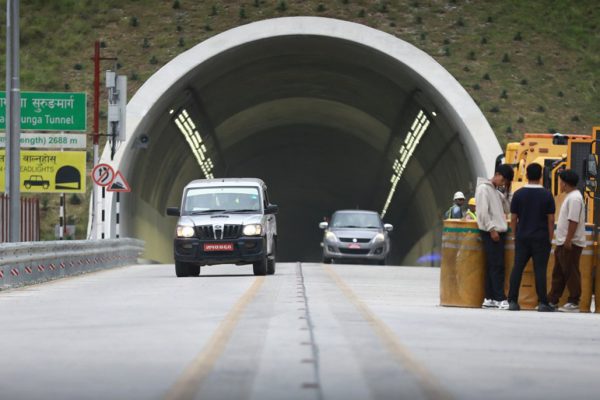
Nepal's long-awaited Nagdhunga-Sisnekhola Tunnel Project is in its final stage of construction and is expected to become operational within July. The tunnel, which will connect Kathmandu and Dhading, will introduce Nepal's first RFID-based automated toll collection system, marking a major milestone in the country's transportation infrastructure and digital payment ecosystem.
The tunnel is expected to significantly reduce travel time, improve road safety, and ease traffic congestion on the busy Tribhuvan Highway while introducing a modern, contactless toll payment experience similar to India's successful FASTag system.
Nepal Introduces RFID-Based Automated Toll Collection
For the first time in Nepal, vehicles using the Nagdhunga-Sisnekhola Tunnel will be able to pay toll fees through RFID (Radio Frequency Identification) technology.
The Payment Systems Department of Nepal Rastra Bank has already granted permission to commercial banks to issue RFID chip-based prepaid tags or cards for tunnel users.
Under this system:
- A prepaid RFID tag will be attached to the vehicle's windshield.
- The tag will be linked to the owner's prepaid account.
- As the vehicle approaches the toll plaza, RFID sensors and cameras will automatically identify the vehicle.
- The toll amount will be deducted instantly.
- The barrier gate will open automatically without requiring the driver to stop.
Alongside RFID payments, authorities are also preparing to accept cash and digital payment methods, giving travelers multiple options for toll payments.
A Major Infrastructure Project for Nepal
The Nagdhunga-Sisnekhola Tunnel is one of Nepal's most significant road infrastructure projects, designed to improve connectivity between Kathmandu Valley and the rest of the country.
The project includes:
- Main Tunnel: 2,688 meters long
- Tunnel Width: 9.5 meters
- Three Traffic Lanes
- Emergency Evacuation Tunnel: 2,557 meters long
The main tunnel features:
- Two 3.5-meter-wide lanes for vehicles entering Kathmandu.
- One 2.5-meter-wide lane for vehicles leaving Kathmandu.
The tunnel is expected to reduce travel delays caused by traffic congestion and difficult road conditions on the Nagdhunga section.
Advanced Safety Features Installed
Safety has been given high priority throughout the tunnel project.
Authorities have installed several modern safety systems, including:
- CCTV surveillance cameras
- Fire hydrant systems
- Emergency alarms
- Ventilation fans
- Monitoring systems
- Emergency communication facilities
A separate emergency evacuation tunnel, built approximately 20 meters parallel to the main tunnel, will allow passengers to exit safely during emergencies such as vehicle breakdowns, fires, or accidents.
Emergency Tunnel Connected by Seven Cross Passages
The emergency tunnel is connected to the main tunnel through seven cross passages, located every 300 to 350 meters.
Specifications include:
- Width: 4.5 meters
- Height: 5 meters
- Quick evacuation access during emergencies
These cross passages will enable rescue teams and passengers to move safely between the two tunnels whenever necessary.
Vehicle Restrictions Inside the Tunnel
According to the tunnel operation guidelines, several categories of vehicles will not be allowed to enter.
These include:
- Pedestrians
- Motorcycles
- Three-wheelers
- Non-motorized vehicles
- Oversized vehicles exceeding:
- 18 meters in length
- 2.5 meters in width
- 4.75 meters in height
- Vehicles carrying loads beyond the government-approved limit
Vehicles transporting hazardous materials will also be prohibited, including:
- Petrol
- Diesel
- Kerosene
- LPG and other gases
- Explosives
- Weapons (except those used by security agencies)
- Toxic chemicals
- Hazardous substances
- Rotten or foul-smelling goods
- Any materials restricted under Nepalese law
Faster, Safer and Smarter Travel
The tunnel is expected to transform travel between Kathmandu and western Nepal by:
- Reducing travel time
- Improving road safety
- Minimizing traffic congestion
- Lowering fuel consumption
- Enhancing transportation efficiency
- Introducing fully automated toll collection
- Supporting Nepal's digital payment ecosystem
The adoption of RFID technology also reflects Nepal's broader move toward smart transportation infrastructure and cashless payment systems.
A New Era for Nepal's Road Infrastructure
The opening of the Nagdhunga-Sisnekhola Tunnel represents more than just a new roadway. It marks Nepal's transition toward smart transportation, combining modern engineering with digital technology to improve the travel experience.
Once operational, the tunnel is expected to become one of Nepal's most important transport corridors, setting a benchmark for future tunnel and expressway projects across the country.
React to this post
Related Articles