
Related Articles




West Asia Tensions Escalate as United States-Iran Talks Fail and Conflict Intensifies
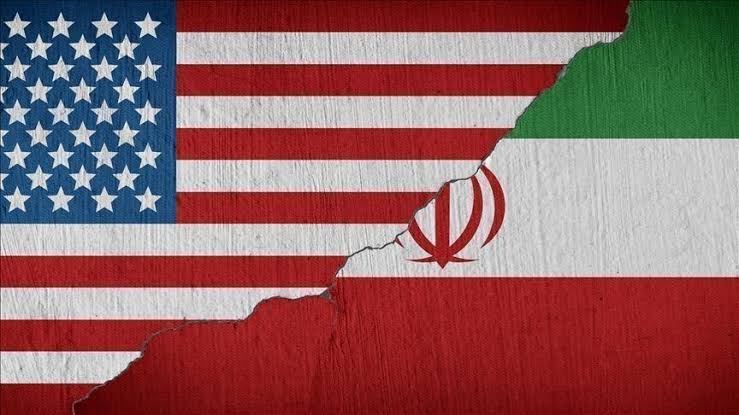
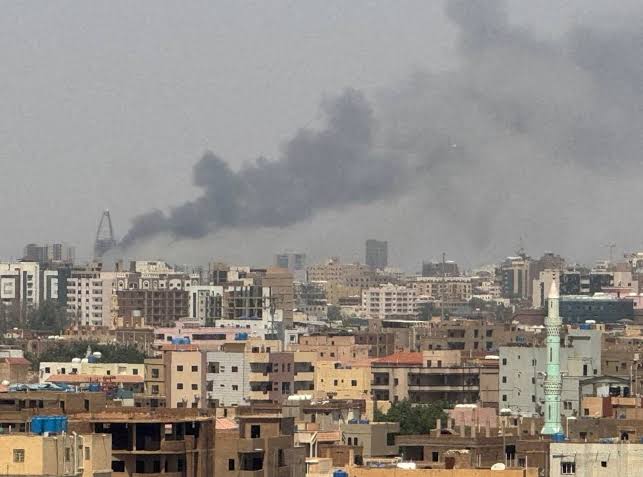
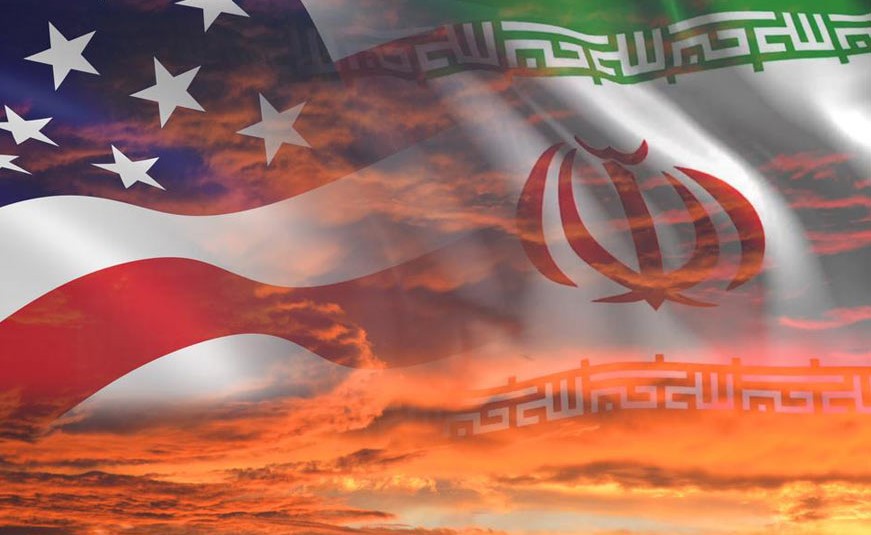
Tensions in West Asia are increasing rapidly as talks between the United States and Iran have failed to reach an agreement. The situation is becoming more serious with rising military actions, increasing oil prices, and ongoing regional conflicts, raising concerns about a possible larger crisis.
US President Donald Trump stated that the US will continue its current strategy regardless of whether Iran returns to negotiations. He made this statement while speaking to reporters after returning from Florida. Recent discussions between the two countries, including talks held in Pakistan, ended without any final agreement, further weakening diplomatic efforts.
Adding to the tension, the US military has announced plans to monitor and control ships moving through Iranian ports near the Strait of Hormuz. This area is extremely important as it handles a large portion of the world’s oil supply. While the US says it will not block ships from other countries, this move is expected to affect global trade and energy markets.
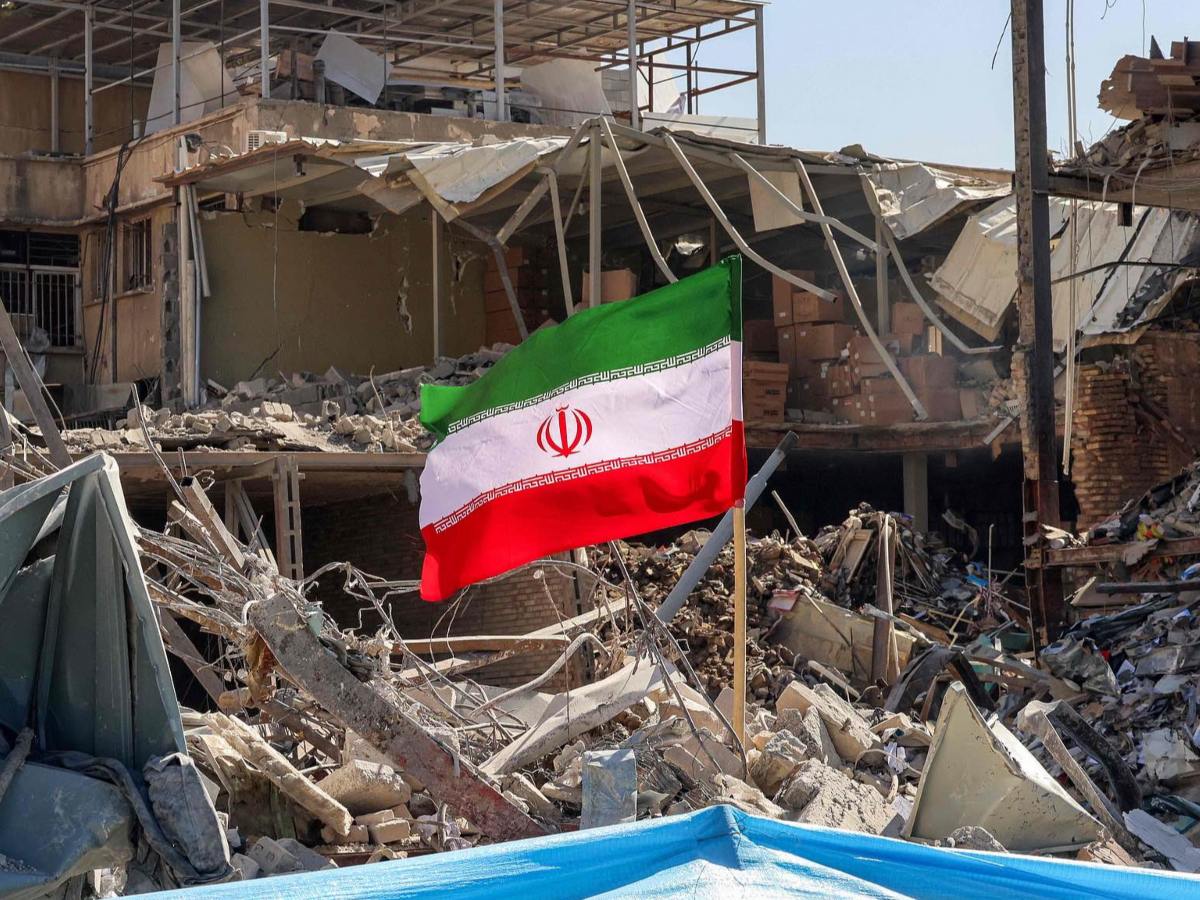
Iran has strongly opposed this decision. Officials from Iran, including military leaders, warned that any action against them would be met with a strong response. Iranian authorities also claimed that they are fully monitoring the situation and are ready to defend their position.
Political leaders in Iran have also reacted firmly. They stated that the country will not accept pressure and is prepared for both dialogue and conflict if necessary. At the same time, Iranian officials claimed that an agreement was close but accused the US of changing its position at the last moment.
The impact of these tensions is already visible in global markets. Oil prices have increased significantly, with US crude crossing $100 per barrel and Brent oil also rising sharply. Experts believe that fears of supply disruption due to possible restrictions in the Gulf region are driving this increase.
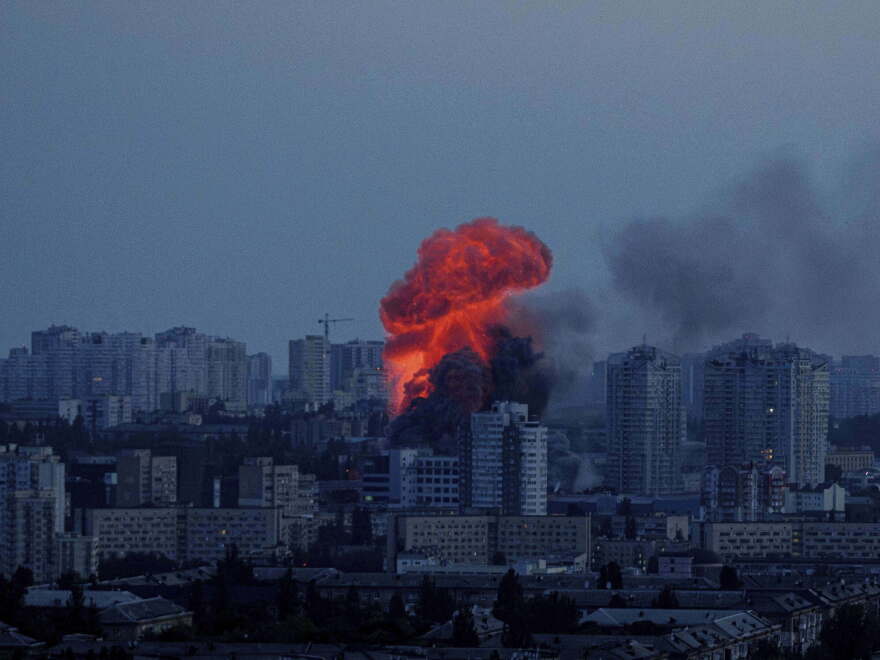
Meanwhile, the situation in the region remains unstable due to ongoing conflict involving Israel and Hezbollah in Lebanon. Lebanese officials have said efforts are being made to reduce tensions, including troop withdrawal and rebuilding damaged areas. However, Israel has indicated that its military operations will continue.
Reports from the United Nations Interim Force in Lebanon suggest that peacekeeping vehicles were hit and some routes have been blocked, increasing international concern. According to health officials in Lebanon, several lives have been lost in recent attacks, adding to the already high number of casualties.
Overall, the situation in West Asia is becoming more serious, with rising tensions between major countries and ongoing regional conflicts. The failure of diplomatic talks, combined with military actions and economic impacts, has increased global concern about stability and security in the region.
React to this post
Related Articles