
Related Articles






Air Pollution and Haze Cover Nepal for Several Days; Light Rain Unlikely to Improve Air Quality
Haze mixed with polluted air has been covering many parts of Nepal for almost a week. Provinces including Koshi, Bagmati, Gandaki, and Karnali have experienced hazy skies and poor air quality during this period.
According to the Meteorological Forecasting Division under the Department of Hydrology and Meteorology, light rainfall may occur in a few places in Koshi, Bagmati, Gandaki, and Karnali provinces. However, experts say the rain will not be enough to remove the air pollution.
Meteorologists explained that a high-pressure system in the upper atmosphere and low pressure near the eastern region have created these hazy and partly cloudy conditions in hilly and mountainous areas over the past few days.
Rojan Lamichhane, a meteorologist at the division, said these weather conditions are likely to continue for the next few days. The lack of rainfall and strong winds is allowing polluted air to remain trapped in the atmosphere.
Weather experts say there is also a chance of light rain or snowfall with thunder and lightning in some areas of Koshi, Madhesh, Bagmati, Gandaki, and Lumbini provinces. Similar conditions may occur in a few hilly and mountainous areas of Karnali and Sudurpashchim provinces.
However, moderate rainfall is needed to clean the air pollution, and currently there is no weather system strong enough to cause such rainfall.
Experts say hazy weather during the pre-monsoon season is common in Nepal and happens almost every year. Last year, the country experienced similar hazy conditions for nearly two weeks.
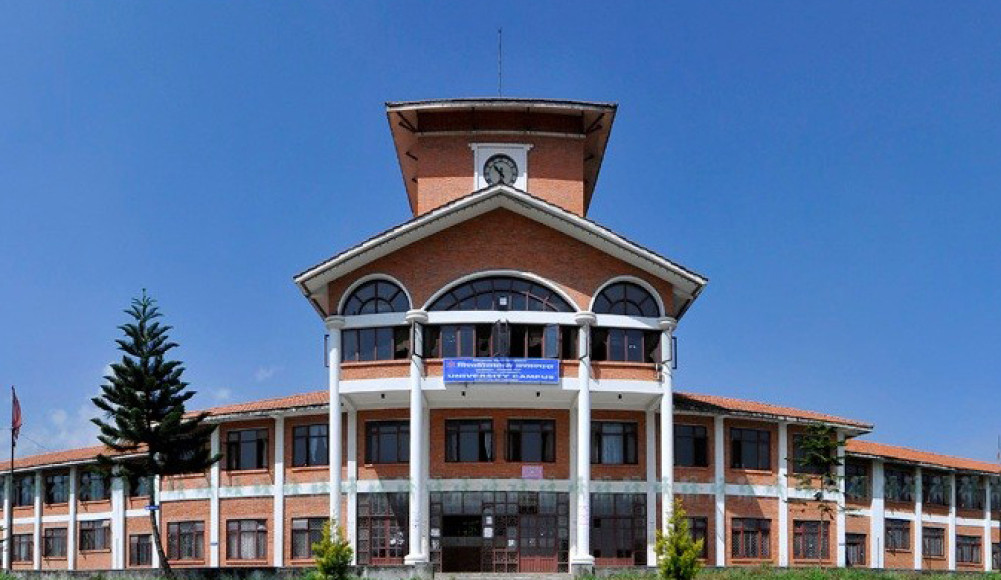
According to Madan Sigdel, an associate professor at the Central Department of Hydrology and Meteorology at Tribhuvan University, this situation is a normal seasonal phenomenon. However, air quality has worsened recently due to dry weather and lack of rainfall.
Kathmandu Valley has recently ranked among the most polluted cities in the world. The valley’s bowl-shaped geography traps polluted air, making the problem worse.
On Monday, IQAir, a Swiss organization that monitors global air quality, ranked Kathmandu as the third most polluted city in the world. The PM2.5 level reached 241 micrograms per cubic meter, which falls in the very unhealthy category.
PM2.5 refers to extremely small particles in the air that are less than 2.5 micrometers in size. These particles are dangerous because they can enter the lungs and even the bloodstream when inhaled. Since they remain in the air for a long time, people are more likely to breathe them in.
According to the US Environmental Protection Agency’s air quality index, a reading between 151 and 200 is unhealthy. Levels between 201 and 300 are considered very unhealthy, while levels above 300 are hazardous and can cause serious health problems.
Hospitals in Kathmandu Valley have reported a noticeable increase in patients suffering from flu, cough, viral fever, and respiratory illnesses due to the worsening air quality.
The Ministry of Health and Population has advised people to stay indoors as much as possible to reduce exposure to polluted air.
Nepal is also considered one of the countries most vulnerable to climate change. Over the past decade and a half, the country has experienced many extreme weather events.
Studies show that Nepal’s maximum temperature is increasing by about 0.05°C per year, while the minimum temperature is rising by around 0.03°C per year.
In recent years, Nepal has also experienced hotter and drier winters. Experts say extreme weather events such as intense rainfall in short periods, prolonged rainfall after monsoon, droughts, dry spells, and unusually warm winters are becoming more common.
React to this post
Related Articles