
Related Articles







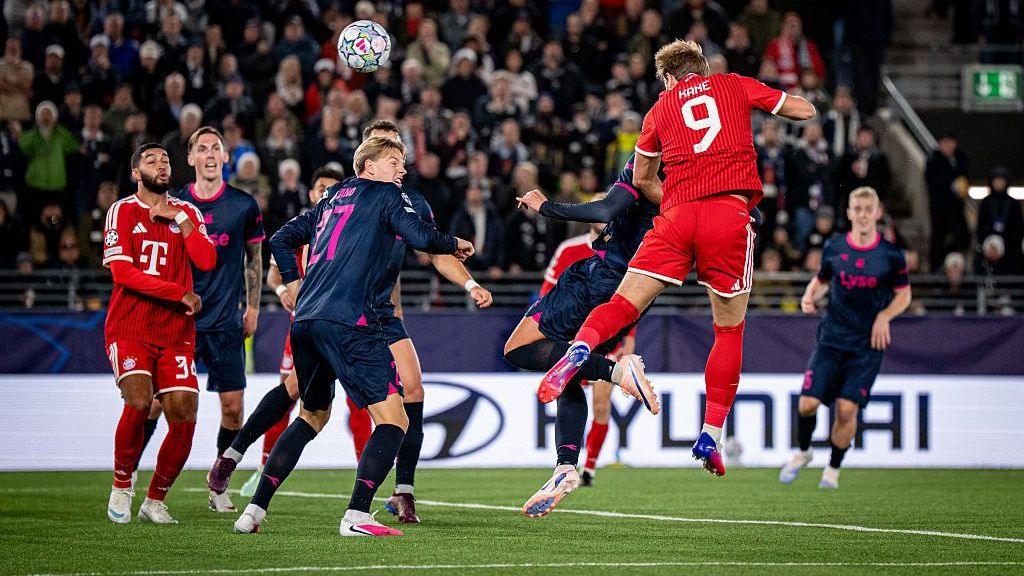


Italy Eliminated Again: Azzurri Miss Third Consecutive World Cup After Penalty Shootout Loss
Italy’s struggles on the international stage deepened after they were eliminated from World Cup qualification following a dramatic penalty shootout defeat to Bosnia-Herzegovina. The loss confirms that the four-time world champions will miss a third consecutive World Cup, having already failed to qualify for the 2018 and 2022 tournaments. This unprecedented run has marked one of the most difficult periods in the history of Italian football.
The match started on a promising note for Italy, who looked determined to avoid another qualification setback. Forward Moise Kean gave his side an early advantage in the 15th minute with a well-taken strike from outside the penalty area, following a creative build-up involving Nicolo Barella. Italy appeared confident and in control during the early stages, putting pressure on the Bosnian defense.
However, the game took a dramatic turn before halftime when defender Alessandro Bastoni received a red card for denying a clear goal-scoring opportunity. Reduced to 10 players, Italy were forced into a defensive approach for the remainder of the match. Bosnia-Herzegovina gradually gained momentum and began to create more chances, testing Italian goalkeeper Gianluigi Donnarumma repeatedly.
Donnarumma delivered an outstanding performance in goal, making several crucial saves to keep Italy in the game. Yet, Bosnia eventually found a breakthrough in the 79th minute. After Donnarumma initially denied a powerful header from Edin Dzeko, striker Haris Tabakovic reacted quickly to convert the rebound, bringing the match level and reigniting hopes for the home side.
With the score tied, the match moved into extra time, where both teams showed signs of fatigue but continued to fight for a decisive goal. Italy, despite being a man down, managed to hold their structure and even created a few scoring opportunities. However, neither side could find a winner, forcing the contest into a penalty shootout.
In the shootout, Bosnia-Herzegovina held their nerve and converted all their attempts with confidence. Italy, on the other hand, faltered under pressure, missing key penalties that ultimately decided their fate. The result sparked celebrations among the Bosnian players and fans, as they secured only the second World Cup qualification in their history.

For Italy, the defeat was another painful chapter in a long period of decline. Head coach Gennaro Gattuso expressed deep disappointment after the match, stating that the loss was difficult to accept given the effort and sacrifices made by the team. Meanwhile, Italian Football Federation president Gabriele Gravina acknowledged that the national team is facing a serious crisis but indicated that he would not step down from his position.
Italy’s recent struggles reflect broader issues within the country’s football system. While the national team achieved success by winning Euro 2020, that triumph now appears to be an exception rather than a sign of sustained strength. Over the years, Italy has failed to perform consistently in major tournaments, including early exits in the 2010 and 2014 World Cups.
Experts point to several structural problems contributing to this decline. One major issue is the reduced development of young domestic talent. Changes in European football regulations and increased reliance on foreign players in club competitions have limited opportunities for Italian players to gain experience at the highest level. As a result, the national team has struggled to build a strong and consistent squad.
Financial challenges have also played a significant role. Compared to other top European leagues, many Italian clubs have faced economic difficulties and have been slower to modernize infrastructure, including stadiums. This has impacted revenue generation and investment in youth development programs, further weakening the foundation of Italian football.
The failure to qualify once again places Italy among a list of historically strong teams that have surprisingly missed out on World Cup tournaments. Similar cases in the past include Argentina missing the 1970 World Cup, England failing to qualify in 1974 and 1994, and the Netherlands missing multiple editions despite having talented squads.
As Italy looks ahead, significant reforms will be required to restore their status as a global football powerhouse. Improving youth academies, strengthening domestic leagues, and making strategic investments will be essential steps. For now, however, the Azzurri must come to terms with another major disappointment, as fans around the world prepare to watch yet another World Cup without one of football’s most iconic nations.
React to this post
Related Articles