
Related Articles

International News
BRICS Summit Dinner Showcases India’s Cuisine, Art and Cultural Diversity

International News
How My Nambour Dental Clinic Experience Made Regular Dental Visits Feel Less Stressful

International News
Muslims Celebrate 1501st Birth Anniversary of Prophet Muhammad
International News
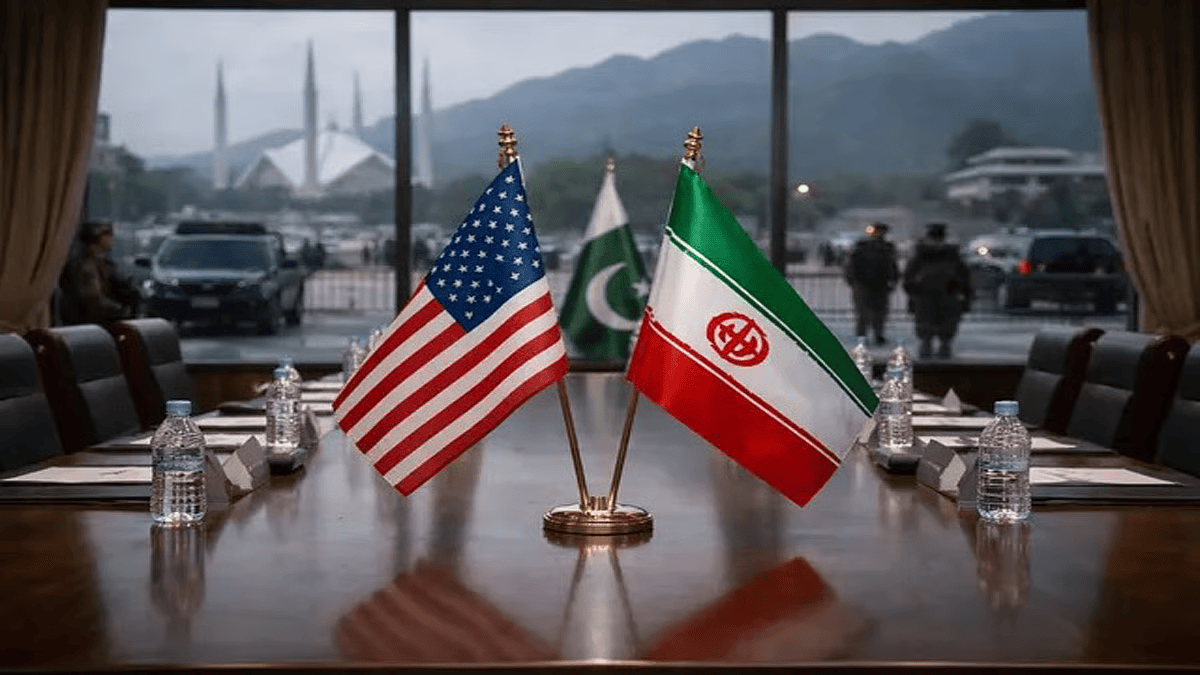
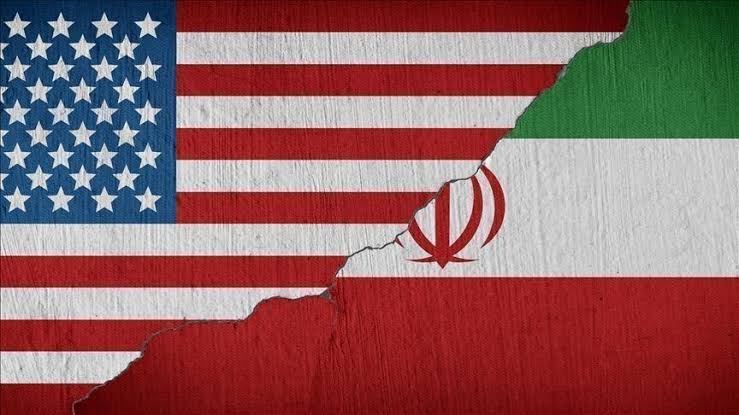
US-Iran War Continues as New Sanctions Deepen Diplomatic and Economic Tensions
International News
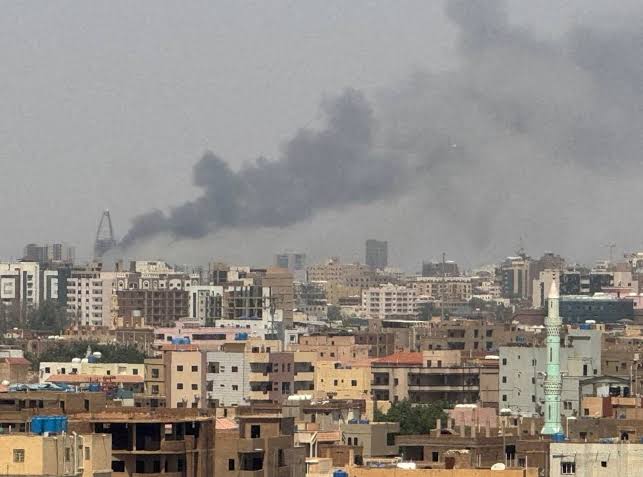
Sudan Army Drone Attack Kills 35 in Darfur, Rights Group Reports
International News
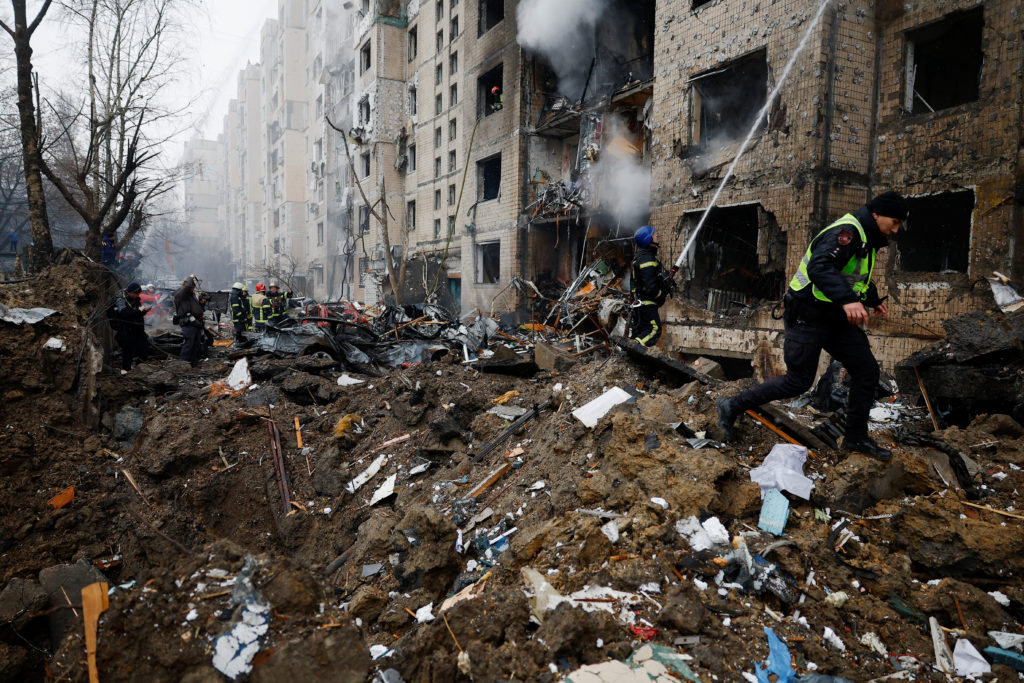
Kyiv Hit by Russian Missile and Drone Attack as Casualties Reported

International News
Nirmal Purja Among 10 Climbers Feared Missing After Avalanche on Pakistan's Broad Peak

International News
Russia Launches Missile Strikes on Kyiv and Other Ukrainian Cities

International News
May 19, 2026
Default Admin
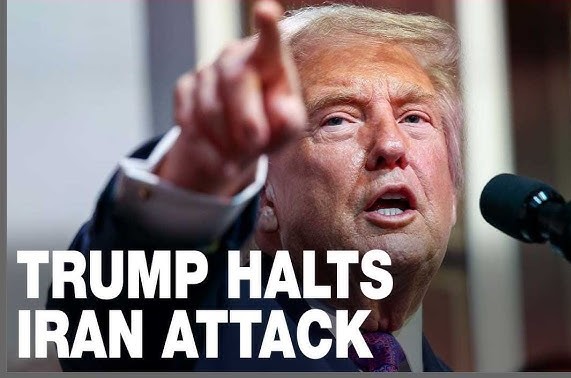
Trump Postpones Planned Military Strike on Iran Amid Gulf Diplomatic Push
Donald Trump has postponed a planned US military strike on Iran following requests from Gulf nations, as Qatar, Saudi Arabia, and the UAE push for continued negotiations over Iran’s nuclear program amid rising regional tensions.
React to this post
Related Articles
International News
BRICS Summit Dinner Showcases India’s Cuisine, Art and Cultural Diversity
International News
How My Nambour Dental Clinic Experience Made Regular Dental Visits Feel Less Stressful
International News
Muslims Celebrate 1501st Birth Anniversary of Prophet Muhammad
International News
US-Iran War Continues as New Sanctions Deepen Diplomatic and Economic Tensions
International News
Sudan Army Drone Attack Kills 35 in Darfur, Rights Group Reports
International News
Kyiv Hit by Russian Missile and Drone Attack as Casualties Reported
International News
Nirmal Purja Among 10 Climbers Feared Missing After Avalanche on Pakistan's Broad Peak
International News
Russia Launches Missile Strikes on Kyiv and Other Ukrainian Cities