
Related Articles




Political Tensions Flare in First House Meeting Over Gen-Z Protests
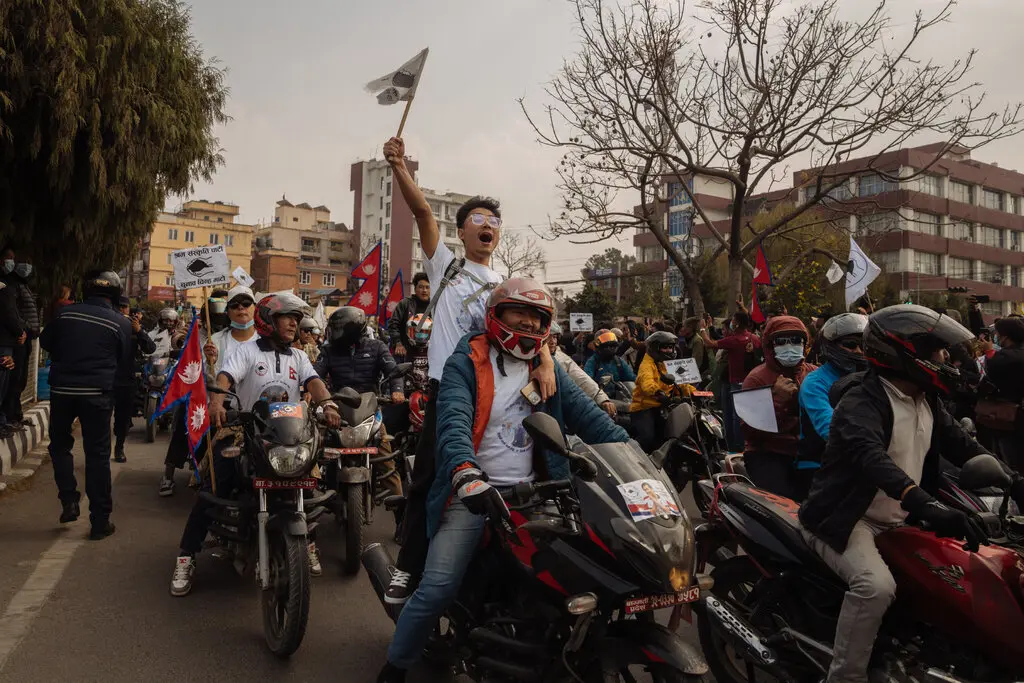
The first meeting of Nepal’s newly formed House of Representatives, following the Falgun 21 elections, was marked by sharp political disagreements and heated exchanges among lawmakers over the controversial Gen-Z protests that took place on Bhadra 23 and 24.
During the inaugural session, representatives from major political parties and an independent lawmaker delivered congratulatory speeches. However, the discussion quickly turned toward the protests, raising serious concerns about governance, accountability, and national security.
Election Results Set the Stage
The recent elections dramatically reshaped Nepal’s political landscape. The Rastriya Swatantra Party (RSP) emerged as the largest party with 182 seats. It was followed by the Nepali Congress with 38 seats, CPN-UML with 25 seats, and the Nepal Communist Party with 17 seats. Smaller parties like the Labour Culture Party and Rastriya Prajatantra Party secured 7 and 5 seats respectively, while Mahabir Pun entered the House as an independent lawmaker.
Rabi Lamichhane Focuses on Justice
RSP Chairman Rabi Lamichhane addressed the House briefly but pointedly. He emphasized justice for victims of the protests, particularly the family of those who lost their lives.
He criticized past political practices, stating that misuse of laws and ordinances for personal or political protection would no longer be tolerated. His remarks were also seen as a response to concerns raised by opposition leaders regarding potential legal actions against former officials.
Congress Calls for Balanced Investigation
Nepali Congress leader Bhishmaraj Aangdembe urged the government to analyze the events of Bhadra 23 and 24 separately and fairly. He criticized the partial investigation conducted so far and questioned the credibility of the inquiry process.
He demanded the immediate publication of the report prepared by the Gauri Bahadur Karki-led commission and stressed the importance of transparency and due process. Aangdembe also raised serious concerns about the destruction of major government structures, including the Parliament building and Singha Durbar.
UML Raises Questions and Allegations
CPN-UML leader Ram Bahadur Thapa questioned the intent behind the violent incidents and demanded clarity on who was responsible for the widespread destruction.
He went further by alleging that external and “invisible forces,” including technological manipulation and media influence, played a role in the RSP’s unexpected electoral victory. These claims added another layer of controversy to the already tense political environment.
Mixed Reactions from Other Parties
Nepal Communist Party leader Barshaman Pun acknowledged the concerns raised by the youth during the protests, describing them as a reflection of dissatisfaction with governance and development.
Meanwhile, Labour Culture Party leader Harka Raj Rai called for a high-level investigation into both the protests and the violence. He raised concerns about the involvement of students and the escalation of peaceful demonstrations into destructive acts.
Other leaders, including those from the Rastriya Prajatantra Party and independent MP Mahabir Pun, chose not to address the issue during their speeches.
Growing Demand for Accountability
The debate highlighted a common demand across parties: the need for a comprehensive and impartial investigation into the events of Bhadra 23 and 24. Lawmakers stressed that those responsible must be held accountable, while innocent individuals should not be wrongly accused.
Conclusion
The first parliamentary session has clearly signaled that the Gen-Z protests and the associated violence will remain a central political issue in Nepal. With rising tensions, allegations, and calls for transparency, the coming days are expected to be crucial in determining how the government addresses public concerns and restores trust.
React to this post
Related Articles