

Related Articles








Red Number Plate Motorcycles Banned from Ride-Sharing in Nepal: What the New Rule Means for Riders
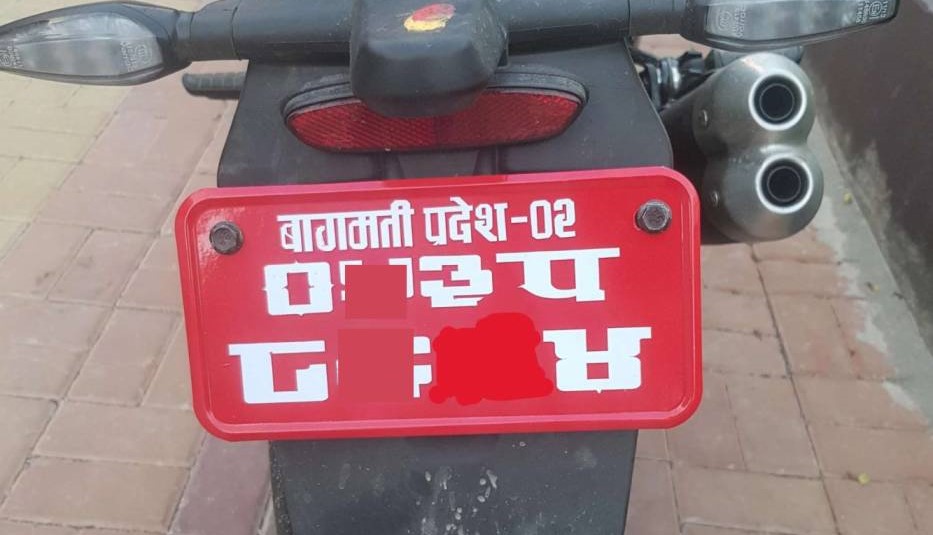
The Government of Nepal has introduced a major change to the country's ride-sharing sector by banning motorcycles and scooters with red number plates from providing ride-sharing services. The new provision, included in the latest Economic Act, aims to regulate the growing ride-sharing industry and bring it under a formal taxation and registration framework.
This decision will directly impact thousands of riders currently working with platforms such as Pathao, inDrive, and other ride-sharing services using privately registered motorcycles.
What Has Changed?
Under the new policy, only motorcycles and scooters registered as commercial or hire vehicles will be allowed to provide ride-sharing services. These vehicles must obtain black number plates, which are designated for commercial transportation under Nepal's Transport Management Act, 2049.
Previously, many ride-sharing riders operated using motorcycles registered with red number plates, which are intended for private use. With the implementation of the new rule, such vehicles will no longer be legally permitted to carry passengers for commercial purposes.
Mandatory Registration for Ride-Sharing Vehicles
The government has established a formal registration process for two-wheeled vehicles that wish to operate as ride-sharing vehicles. Riders will now be required to register their motorcycles under the commercial category and obtain black number plates before offering ride-sharing services.
Authorities say the move will improve accountability, enhance passenger safety, and create a more organized transportation system.
Annual Tax Introduced for Ride-Sharing Riders
In addition to the registration requirement, the government has introduced an annual income tax for ride-sharing motorcycles.
Under the new provision:
- Commercial ride-sharing motorcycles must pay an annual tax of NPR 3,000.
- Vehicles operating for passenger transport will be subject to government monitoring and taxation.
- Registration records will be maintained to ensure compliance with transportation laws.
Officials believe this measure will help formalize the rapidly growing digital transportation sector while increasing government revenue.
5% Tax on Ride-Sharing Transactions
Another significant provision included in the new Economic Act is a 5% tax on ride-sharing transactions.
This means that a percentage of earnings generated through ride-sharing platforms will be subject to taxation. The measure is expected to improve transparency in the sector and ensure that digital transportation services contribute to the national economy.
Impact on Ride-Sharing Platforms and Riders
The new regulations are expected to affect thousands of active riders across Nepal, particularly in Kathmandu Valley where ride-sharing services have become a popular transportation option.
Riders currently operating with red number plates may need to:
- Convert their vehicles to commercial registration.
- Obtain black number plates.
- Pay annual taxes and comply with commercial transportation regulations.
- Meet any additional requirements introduced by transport authorities.
Industry observers believe the transition could initially create challenges for riders, but may ultimately lead to a more regulated and sustainable ride-sharing ecosystem.
Government's Goal: Formalizing Nepal's Ride-Sharing Industry
The government's latest move signals a broader effort to formalize Nepal's digital transportation sector. By introducing commercial registration requirements and taxation mechanisms, authorities aim to create a clear legal framework for ride-sharing operations.
As ride-sharing services continue to expand across the country, these regulations are expected to play a crucial role in shaping the future of urban transportation in Nepal.
Conclusion
The ban on red number plate motorcycles for ride-sharing marks one of the biggest policy changes in Nepal's transportation sector in recent years. Riders who wish to continue operating legally will need to transition to black number plate registration and comply with new taxation rules.
While the policy may increase operating costs for riders, the government argues that it will bring greater accountability, transparency, and long-term stability to Nepal's rapidly growing ride-sharing industry.
React to this post
Related Articles