
Related Articles





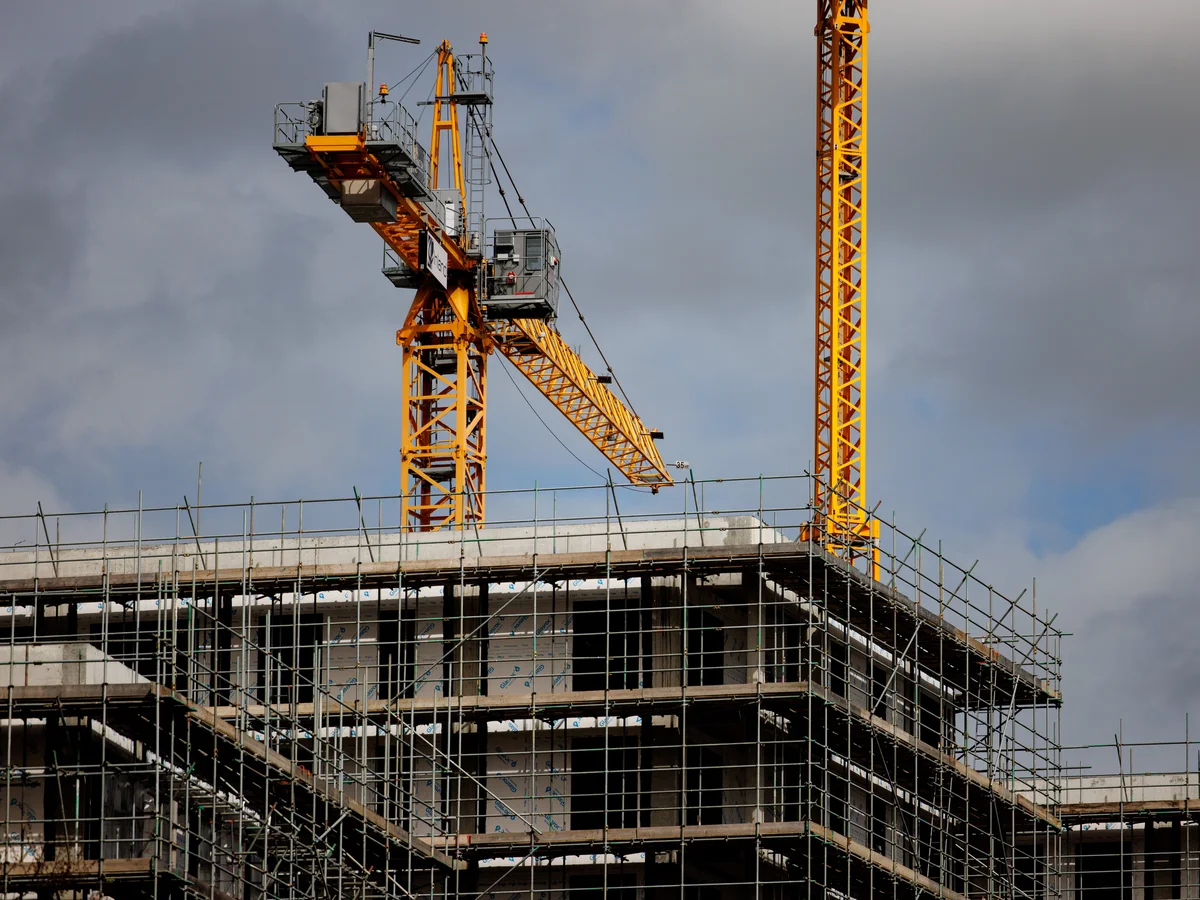
Nepal Construction Sector Faces Severe Crisis as Material Prices Surge Up to 107%
Nepal’s construction industry is currently facing one of its most challenging periods as rising global fuel prices and geopolitical tensions in West Asia continue to drive up the cost of essential construction materials across the country.
The ongoing conflict involving Israel, the United States, and Iran has led to a sharp increase in petroleum product prices globally, directly impacting Nepal’s infrastructure development sector.
Sharp Rise in Construction Material Costs
According to industry data, construction material prices in Nepal have increased dramatically, with bitumen a key material used in road construction witnessing an unprecedented rise of 107%.
Bitumen, which was previously available at around Rs. 75 per kg, has now surged to approximately Rs. 155 per kg, creating significant pressure on road construction projects nationwide.
Diesel, which is essential for operating heavy construction equipment, has also increased by 62%, further escalating project costs. Reports indicate that diesel prices have reached around Rs. 224 per liter, adding additional financial burden to contractors and developers.
Other construction materials have also seen notable price hikes:
- Steel bars: 35% increase
- Cement: 15% increase
- Labor wages: 25% increase
- Bricks and other materials: 20% to 25% increase
Contractors Warn of Nationwide Project Disruption
Construction entrepreneurs, represented by the Federation of Contractors’ Associations of Nepal, have expressed serious concerns over the situation. They warn that the rising costs are threatening the future of nearly 30,000 ongoing development projects across the country.
Contractors have been staging protests for several days, demanding urgent government intervention and scientific price adjustment mechanisms in all construction contracts.
Their key demands include:
- Scientific adjustment of contract prices based on market fluctuations
- Protection from blacklisting for stalled projects due to cost escalation
- Extension of project deadlines
- Proper budget revision and financial management support
Industry Leaders Call It a Historic Crisis
Former officials and industry leaders have described the current situation as one of the most severe crises ever faced by Nepal’s construction sector.
They argue that the combination of rising material costs, administrative pressure, and shortage of skilled manpower has pushed the industry toward a critical breaking point.
Legal and Policy Challenges in Price Adjustment
Under Section 55 of Nepal’s Public Procurement Act 2063, price adjustment is allowed when material costs fluctuate beyond 10%. However, implementation remains complicated, especially for short-term contracts that lack clear adjustment formulas.
While long-term contracts generally include price adjustment provisions, many short-duration projects are now stuck without a clear legal mechanism to address sudden cost increases.
Government officials acknowledge the issue and are reportedly working toward a balanced solution that can apply across different types of contracts.
Ongoing Projects Slowing Down
Although contractors claim that many projects have stalled, government authorities state that construction activities have not completely stopped.
Major infrastructure projects such as the Nagdhunga–Mugling road expansion continue to move forward. However, road blacktopping and other bitumen-dependent works have slowed significantly in many regions.
Officials also admit that project deadlines may need to be extended, and overall costs are likely to rise due to the ongoing material shortage and price escalation.
Conclusion
Nepal’s construction sector is now under intense pressure due to global fuel market instability and rising import costs. With essential materials becoming significantly more expensive, both contractors and government agencies are facing growing uncertainty.
Unless a practical price adjustment system is implemented quickly, experts warn that infrastructure development across Nepal could face further delays and financial strain in the coming months.
React to this post
Related Articles