
Related Articles





Kathmandu Residents Fear Cooking Gas Shortage, But Nepal Oil Corporation Says Supply Is Stable
People in Kathmandu have started worrying about the availability of cooking gas as tensions in West Asia continue to affect global fuel markets. Several Asian countries are already taking steps to deal with the economic impact of the conflict, including fuel-saving measures and restrictions on energy use.
Countries such as Thailand and Vietnam have asked public employees to work from home and reduce energy consumption. Vietnam has also removed import duties on several petroleum products to help keep fuel prices stable in the domestic market.
In India, hotel businesses in different states have reported a shortage of cooking gas and have requested the government to ensure an uninterrupted supply. Meanwhile, Bangladesh has introduced emergency measures including fuel rationing for vehicles, limits on diesel sales, and the temporary closure of universities in an effort to conserve energy.
Compared to these countries, Nepal appears to be in a relatively stable situation. Nepal Oil Corporation (NOC), the government-owned company responsible for fuel supply, says there is currently no reason for the public to panic. Nepal imports all of its petroleum products from India through Indian Oil Corporation (IOC). According to NOC officials, IOC has assured them that Nepal will continue to receive cooking gas based on demand and that supply will not suddenly stop.
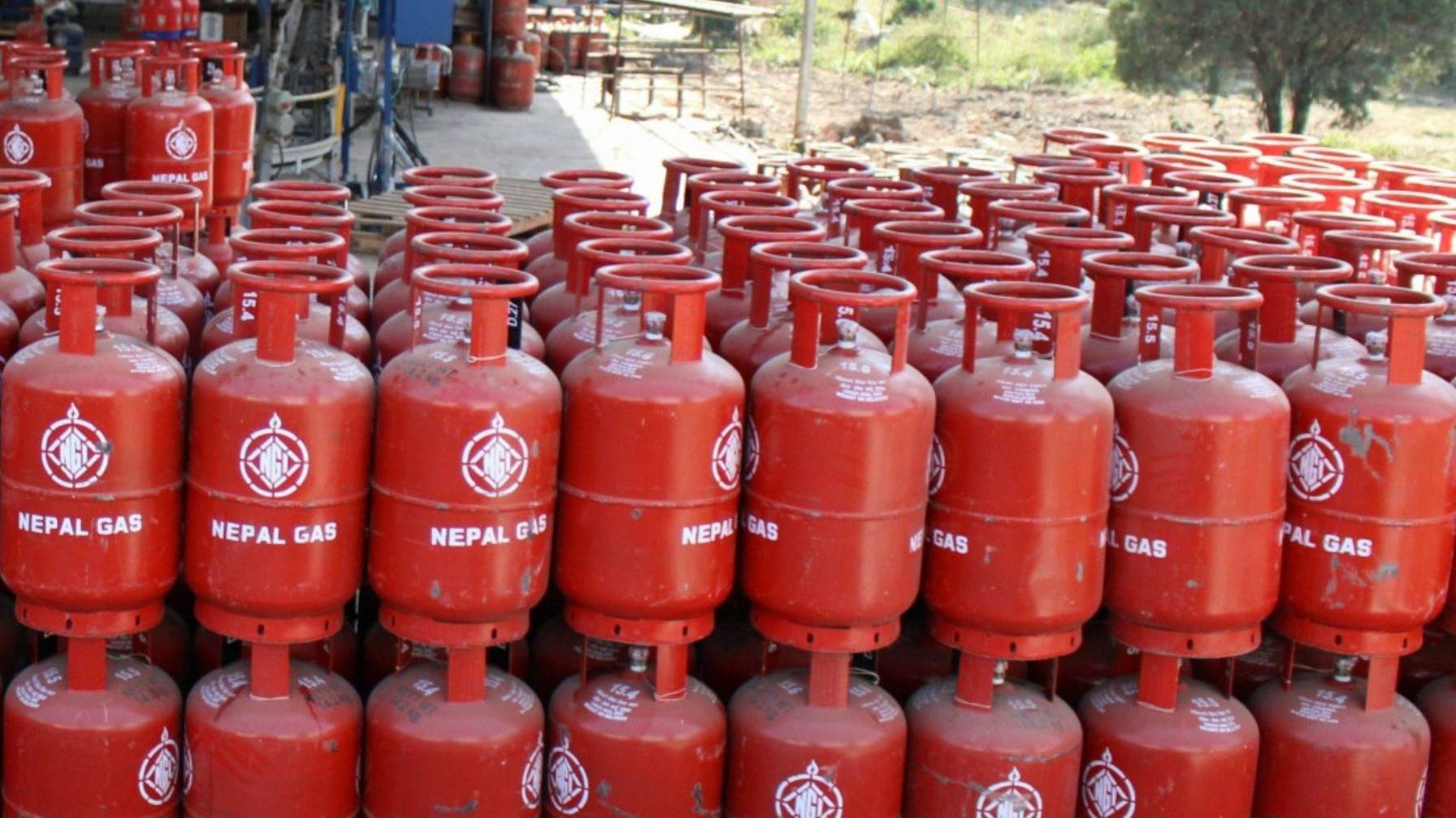
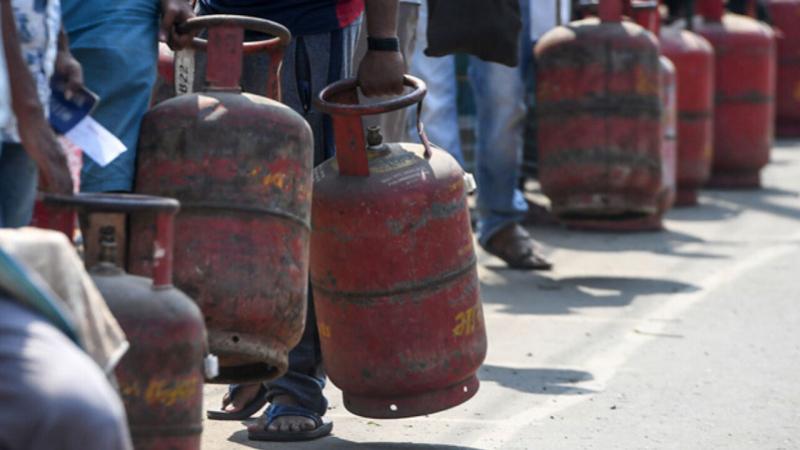
Despite these assurances, many residents in Kathmandu say they are already experiencing difficulty in getting LPG cylinders.
Kathmandu Valley, which has a population of more than three million people, has reportedly been facing irregular cooking gas supply for more than a month.
However, Nepal Oil Corporation says the situation is not as serious as it appears. Manoj Kumar Thakur, Deputy Director of NOC, said the corporation is in regular contact with Indian Oil Corporation and has been assured that supplies will continue as usual.
According to Thakur, panic buying in India following the conflict involving Iran has caused some temporary disruptions. However, he stressed that the supply to Nepal has not been affected.
India recently increased the price of a cooking gas cylinder by INR 60. In Nepal, the price of a 14.2-kg LPG cylinder currently stands at Rs 1,910.
NOC says it is currently facing a loss of around Rs 216 on each cylinder sold. Even so, the corporation said it may delay increasing prices immediately after the national election.
Officials added that in previous years the corporation had sold LPG even when losses exceeded Rs 1,000 per cylinder, suggesting that it may absorb some losses again if necessary.
Nepal’s current LPG demand is estimated at around 45,000 to 46,000 tonnes per month, and NOC says imports are arriving at similar levels.
The corporation also stated that the country currently has enough fuel stock to meet demand for around 10 days even if imports temporarily stop.
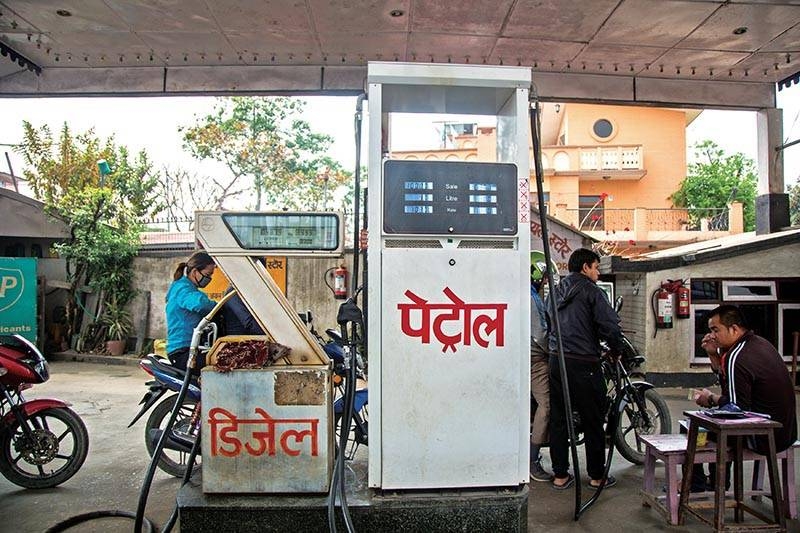
Apart from LPG, Nepal consumes about 2,000 kilolitres of petrol and 4,500 kilolitres of diesel every day. According to NOC, the supply of these fuels remains normal.
To prevent major price increases, the corporation has set aside about Rs 20 billion in its price stabilisation fund. This fund can be used to cushion sudden shocks caused by rising global fuel prices.
Statistics show that among Nepal’s 6.66 million households, about 44.3 percent use LPG for cooking while 51 percent still depend on firewood.
Bagmati Province, which includes Kathmandu Valley, has the highest LPG usage in the country. Nearly 70 percent of households in the province rely on LPG for cooking.
Officials believe that much of the current concern among consumers is driven by panic caused by news reports about global fuel disruptions.
To address complaints about gas shortages, the NOC depot in Teku has started distributing LPG cylinders from different companies directly to consumers between 11:30 am and 4 pm.
Authorities say inspections may also be carried out at retail shops and depots to ensure that LPG cylinders are not being hoarded.
According to NOC officials, hoarding by commercial users such as restaurants and hotels could disrupt regular supply if household consumption is not prioritised.
However, representatives from the gas industry say supply levels remain stable.
Diwan Bahadur Chand, president of the Nepal LP Gas Industry Association, said India currently has enough LPG stock to supply Nepal for at least a month, along with additional crude oil reserves.
Industry data also shows that Nepal imported slightly more LPG than usual last month, around 2,000 to 3,000 tonnes above normal levels.
Every day about 90 to 100 LPG transport trucks enter Nepal, and around 40 to 50 of them deliver gas to Kathmandu Valley.
Each LPG bullet truck typically carries 18 to 20 tonnes of gas, which is enough to fill around 1,260 to 1,400 household cylinders.
Shiva Prasad Ghimire, chairman of SG Group, which operates several LPG brands including Everest Gas, Sahara Gas, Prima Gas and Sugam Gas, said companies have been receiving 5 to 10 percent more LPG shipments than usual.
Government data from the Department of Customs also shows that LPG imports increased by 2.14 percent during the first seven months of the current fiscal year compared to the same period last year.
During this period, Nepal imported more than 321,000 tonnes of LPG worth around Rs 31.85 billion.
While the global situation remains uncertain due to the ongoing conflict in West Asia, officials insist that Nepal’s cooking gas supply remains stable and that there is currently no need for the public to panic.
React to this post
Related Articles