Related Articles




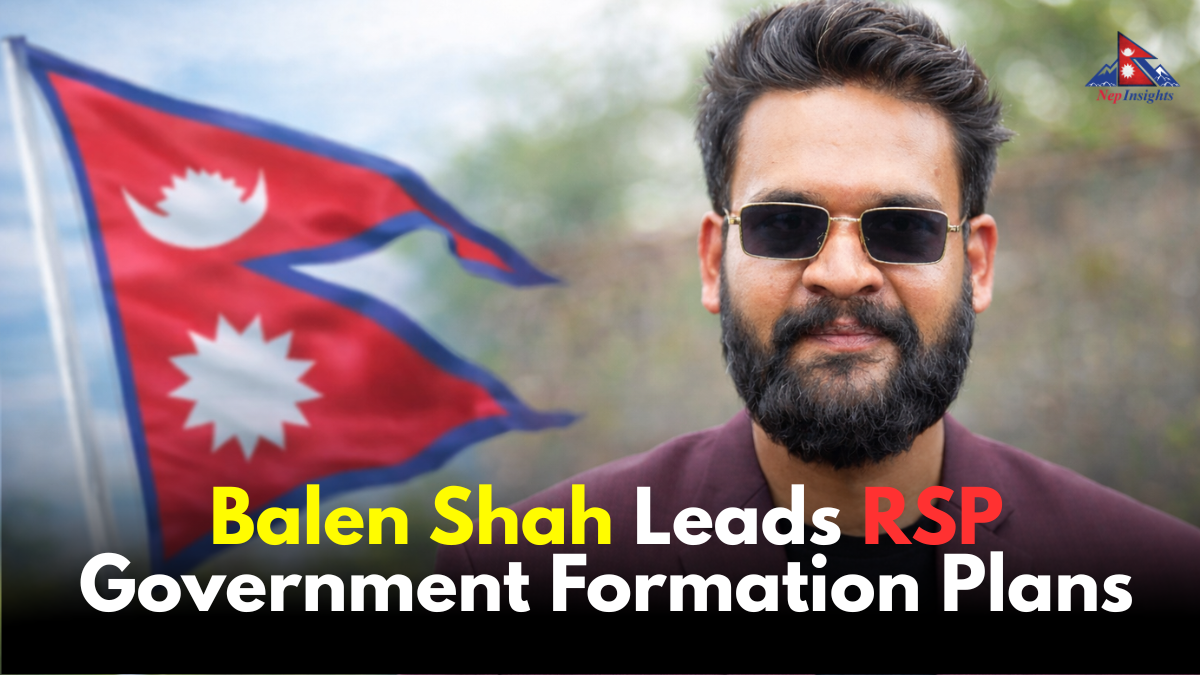
Balen Shah Leads RSP Government Formation Plans – Nepinsights
RSP Meeting: How Balen Shah Will Become Nepal's Next PM
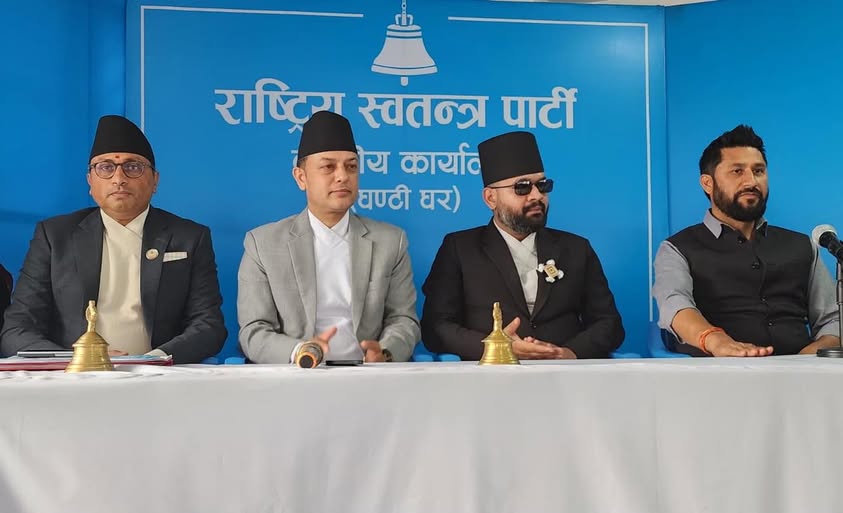
The Rastriya Swatantra Party (RSP) is holding an important meeting on Sunday to discuss government formation after winning a strong two-thirds majority in the House of Representatives elections. The discussion comes at a crucial moment as the party prepares to form the next government and outline its leadership plans.
Party chairperson Rabi Lamichhane and senior leader Balendra Shah widely seen as the party’s candidate for prime minister are leading the meeting with members of the party’s secretariat. The leaders are expected to talk about the structure of the new government, possible cabinet members, and the party’s next political steps.
Key Decisions on Cabinet and Government Structure
During the meeting, RSP leaders are expected to discuss several important issues related to forming the government. According to party leaders, Balendra Shah supports forming a small and efficient cabinet of around 15 ministers to keep the government focused and effective.
At a Glance: RSP’s Governance Strategy
|
Feature |
Planned Action |
|
Prime Minister Candidate |
Balendra (Balen) Shah |
|
Cabinet Size |
15 to 18 Ministers (Small & Efficient) |
|
Legal Requirement |
Amend Article 66 to match Political Parties Act 2017 |
|
Advisory Body |
Formation of a 100-member Expert Administration |
|
Party Leadership |
Rabi Lamichhane (Chairperson) |
|
100-Days Plan |
Under Discussion (to be finalized in upcoming days) |
Central Committee to Finalize Proportional Representation MPs
Following the secretariat meeting, the party will hold a central committee meeting to finalize the list of Members of Parliament elected under the proportional representation (PR) method.
In addition, the party is considering changing its internal law to make it simpler to pick the parliamentary party leader.
Leaders Recovering After Intense Election Campaign
According to party sources, both Lamichhane and Shah had health difficulties after traveling across the nation during the election campaign. As a result, the two leaders met only once in person last Thursday and then continued their conversations via phone calls.
Authority to Choose Ministers Likely
RSP leader Shishir Khanal, who won the parliamentary seat from Kathmandu-6, said the meeting is likely to authorize Lamichhane and Shah to select cabinet ministers. He also noted that decision-making inside the party has changed compared to the past.
After the party’s rise during the 2022 national elections, Lamichhane handled most major decisions. However, now both Lamichhane and Shah are expected to lead the decision-making process together.
Possible Focus on Experts in Government
Another senior party representative stated that Shah wishes to build a cabinet that comprises professionals from many professional sectors to guide policy and governance. While the specific shape of the cabinet is still being discussed, the party intends to bring new ideas to government processes, such as modifications to cabinet formation and oath-taking procedures.
Party Constitution May Be Amended
The meeting will also discuss amending the party’s constitution to allow Shah to officially become the parliamentary party leader. Currently, Article 66 of the RSP statute states that the party’s general members vote to select the parliamentary party leader.
However, this rule conflicts with Nepal’s Political Parties Act 2017, which requires that only elected members of the parliamentary group choose their leader. Because of this difference, the party plans to revise the statute to align it with national law.
Previous Agreement Between Lamichhane and Shah
On December 28, Lamichhane and Shah established a seven-point agreement. According to the agreement:
Rabi Lamichhane will remain as party chairperson.
Following the elections, Balen Shah will take over as the parliamentary party's leader.
Once the party law is revised and Shah is officially appointed as the parliamentary leader, President Ram Chandra Paudel will name him Prime Minister because the RSP has an overwhelming majority in parliament.
Cabinet Size Expected to Stay Small
Shishir Khanal also clarified that the new government plans to limit the cabinet to fewer than 18 ministers, aiming to keep the administration efficient. Some reports suggested Shah might appoint ministers who are not members of parliament, but Khanal said that such a move would require constitutional changes, which are not being considered at this time.
What will be in the RSP’s 100-Day Plan?
While the official list is still being finalized by Rabi Lamichhane and Balen Shah, party insiders suggest the focus will be on:
- Investigating Corruption: Prosecuting leaders involved in past scandals.
- Gen Z Justice: Addressing the events of the September protests.
- Service Delivery: Reducing bureaucratic red tape in government offices.
- Economic Reform: Launching the "Development Diplomacy" model.
What Happens Next
The decisions taken in Sunday’s meetings will play a major role in shaping the next government led by the RSP. The party is expected to finalize its leadership structure, cabinet framework, and government priorities in the coming days. If you are new to Nepinsights then don't forget to follow us on facebook and also read latest news from homepage.
Read More:
RSP to Choose Parliamentary Party Leader After Election Victory
Lawmaker Mahabir Pun Discloses Election Spending, Promises Remaining Funds for Public Service
React to this post
Related Articles