

Related Articles








Taxi Number Plate Prices Skyrocket in Kathmandu: A Deep Dive into Nepal’s Transport Crisis
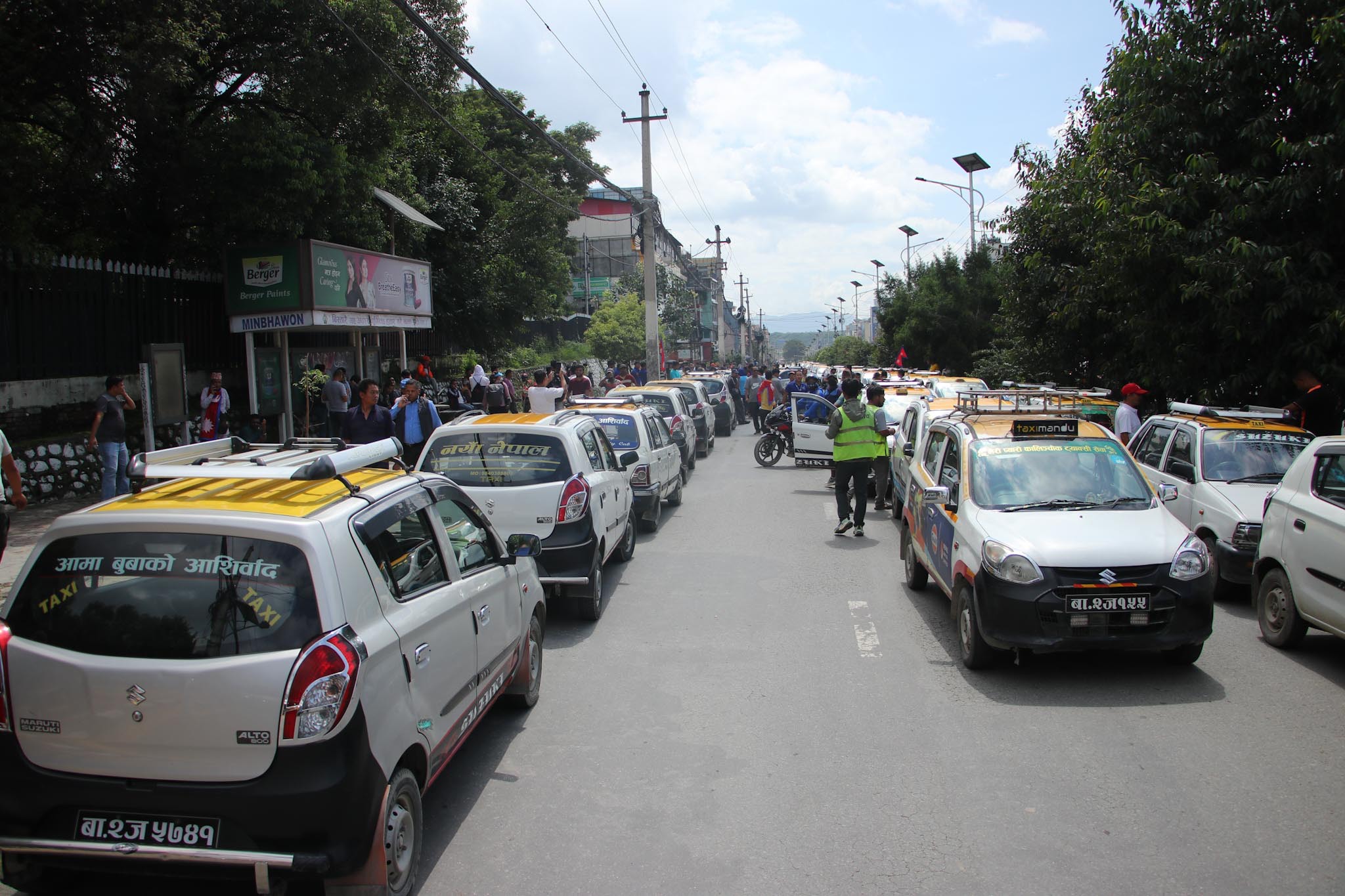
The taxi sector in Kathmandu Valley is facing a serious market imbalance as the price of taxi number plates has reportedly surged to as high as NPR 1.5 million, despite the official government fee being only a few hundred rupees. The situation has raised widespread concerns about market manipulation, policy delays, and transport sector mismanagement.
How Taxi Number Plates Became So Expensive
In Nepal, taxi number plates were last widely distributed many years ago. Since then, no new taxi registrations have been opened for over a decade, creating an artificial shortage in the market.
As demand for taxis increased due to population growth and urban expansion, existing number plates turned into highly valuable assets. What was once a simple administrative registration has now effectively become a traded commodity in the informal market.
Government Fee vs Market Reality
- Official registration fee: ~NPR 500–1,000
- Market trading price: Up to NPR 1.5–1.6 million
- Price inflation: Over 3,000 times higher than official cost
This massive gap has created a parallel market where taxi permits are bought and sold privately, similar to real estate transactions.
Why the Price Has Increased So Much
Several structural issues have contributed to this situation:
1. No New Taxi Registration
The biggest factor is the long pause in issuing new taxi licenses, which has limited supply.
2. Fixed Number of Taxis
The total number of taxis in Kathmandu has remained nearly unchanged for years, despite rapid urban population growth.
3. Demand vs Supply Gap
More people want to enter the taxi business, but licenses are not available through official channels.
4. Informal Trading System
Existing taxi owners are able to sell their operating rights privately, creating a speculative market.
5. Shift Toward EV Taxis
With the rise of electric vehicles, demand for taxi permits has further increased, especially among new entrepreneurs.
Impact on Taxi Entrepreneurs
The situation has created both winners and losers:
- New drivers face extremely high entry costs
- Existing owners benefit from selling permits at high prices
- Many taxis are struggling due to low passenger demand
- Ride-hailing apps have reduced traditional taxi income
Many taxi operators report financial stress due to declining daily earnings and rising loan burdens.
Industry Challenges Beyond Number Plates
The taxi sector is also facing additional pressure:
- Increasing competition from ride-hailing platforms
- Declining passenger demand
- High vehicle maintenance and fuel costs
- Uncertainty around fare regulation
- Weak enforcement of meter-based pricing
These issues have further destabilized the traditional taxi business model in Kathmandu.
Policy Gaps and Governance Issues
Experts and stakeholders point to long-term policy stagnation as a key reason behind the crisis. The lack of periodic review of taxi quotas and unclear coordination between federal and provincial transport authorities has created regulatory confusion.
As a result, enforcement has weakened, while informal market transactions have grown stronger.
Growing Demand for Reform
Transport stakeholders and entrepreneurs have been consistently urging the government to:
- Open new taxi registrations based on current demand
- Regulate or cap number plate transfer prices
- Introduce transparent licensing systems
- Improve taxi management under a clear legal framework
- Integrate EV taxis into formal policy planning
There is also growing support for restructuring the taxi system to make it more transparent and demand-based.
Future Outlook
Authorities in Bagmati Province are reportedly preparing to resume new taxi registrations after many years. If implemented properly, this could:
- Reduce artificial scarcity
- Lower entry barriers for new drivers
- Stabilize taxi pricing
- Improve transport services in Kathmandu
However, delays in implementation may continue to fuel the informal trading market.
The skyrocketing price of taxi number plates in Kathmandu highlights a deeper structural problem in Nepal’s transport system. What started as a licensing issue has now evolved into a full-scale market distortion driven by supply restrictions, policy delays, and rising urban demand.
Without timely reforms, the gap between official regulations and real market practices may continue to widen.
React to this post
Related Articles