
Related Articles





Strait of Hormuz Trade Drops Sharply Amid Rising Tensions
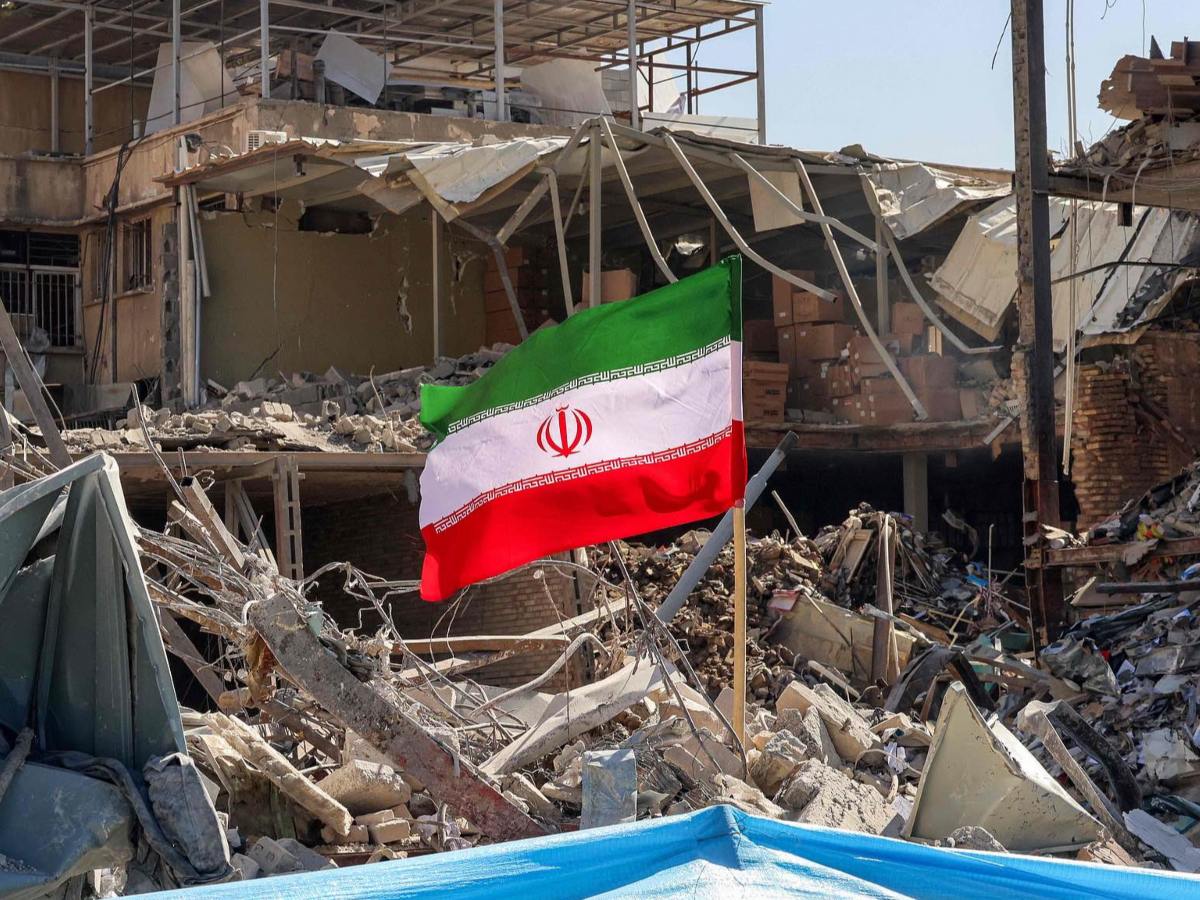
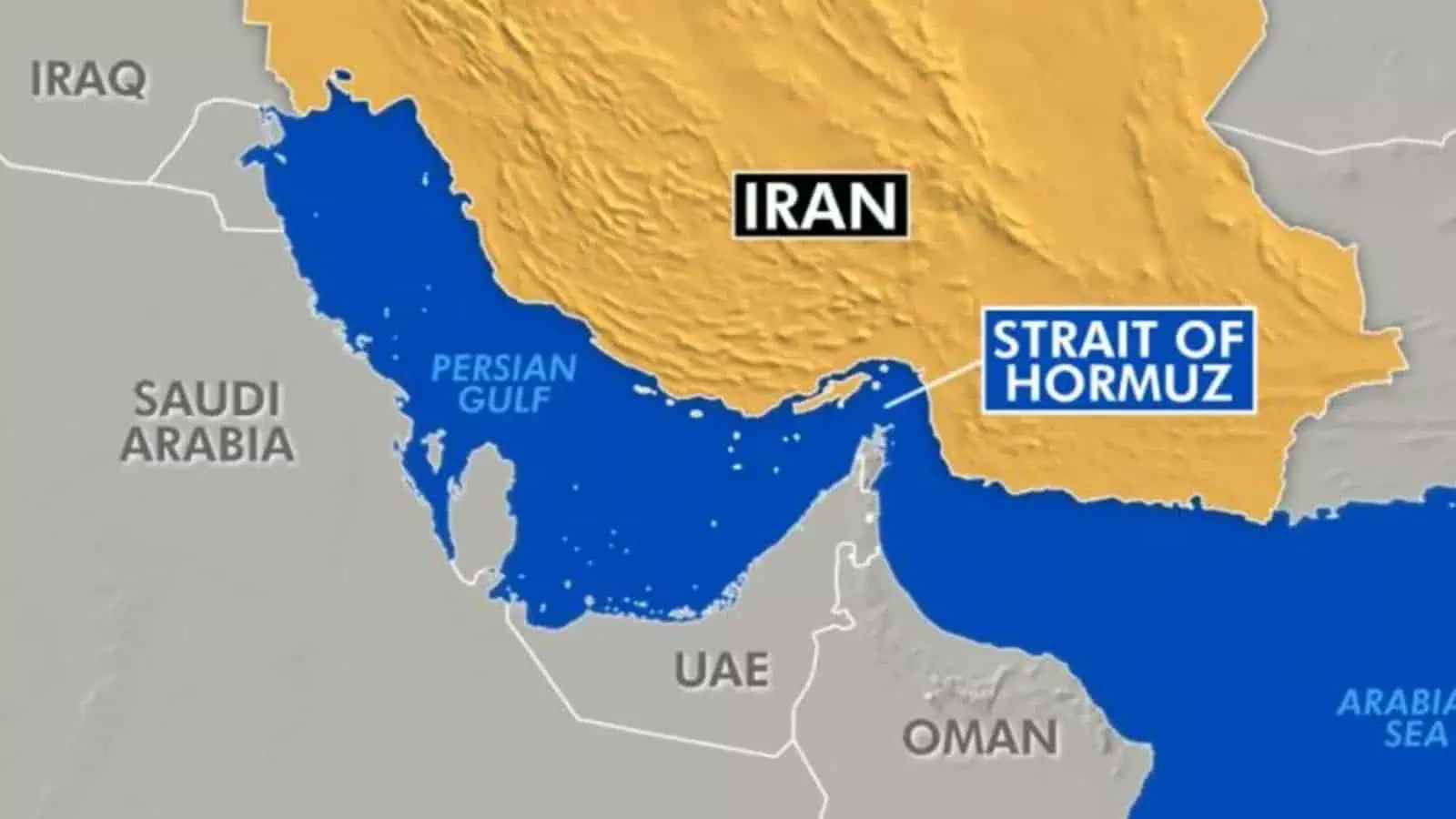
Trade movement through the Strait of Hormuz has seen a major decline after increased military restrictions imposed in the region. Recent data indicates a sharp fall in imports and exports as tensions continue to disrupt one of the world’s most important energy routes.
According to market analysis firm Kpler, shipping activity through the waterway dropped significantly in March after Tehran tightened control over vessel movements following regional conflict escalation.
Major Disruption in Global Energy Flow
Iran, which is usually among the top exporters of crude oil, petroleum products, LNG, and dry bulk goods, has taken a dominant position in controlling shipments passing through the strait.
Meanwhile, exports from countries such as Saudi Arabia, United Arab Emirates, Iraq, and Qatar reportedly fell by up to 96% compared to the previous year’s average. This has created serious concern among global energy markets.
Sharp Decline in Regional Trade
Reports also indicate a 26% drop in Iranian shipments themselves, as only limited vessels have been allowed to pass through the route under strict monitoring.
Countries like Bahrain and Kuwait reportedly recorded no exports through the strait in March, while Qatar—one of the largest LNG exporters—sent only a minimal amount of non-gas shipments, with LNG exports completely halted during the period.
Global Energy Security Concerns Rise
The Strait of Hormuz is responsible for nearly 20% of the world’s crude oil and LNG movement, making it one of the most critical maritime chokepoints globally.
The disruption has raised fears of a potential global energy supply crisis, especially affecting Asian economies that rely heavily on oil imports from the Gulf region.
The continued restrictions on maritime movement in the Strait of Hormuz highlight how regional conflicts are now directly impacting global trade and energy stability. Analysts warn that prolonged disruption could further pressure international oil prices and supply chains.
React to this post
Related Articles