Related Articles





Iran Sends Formal Response to US Peace Proposal Amidst Rising Regional Tensions
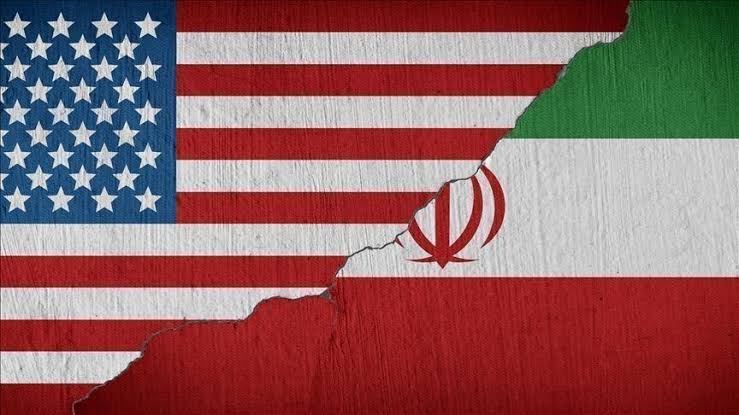
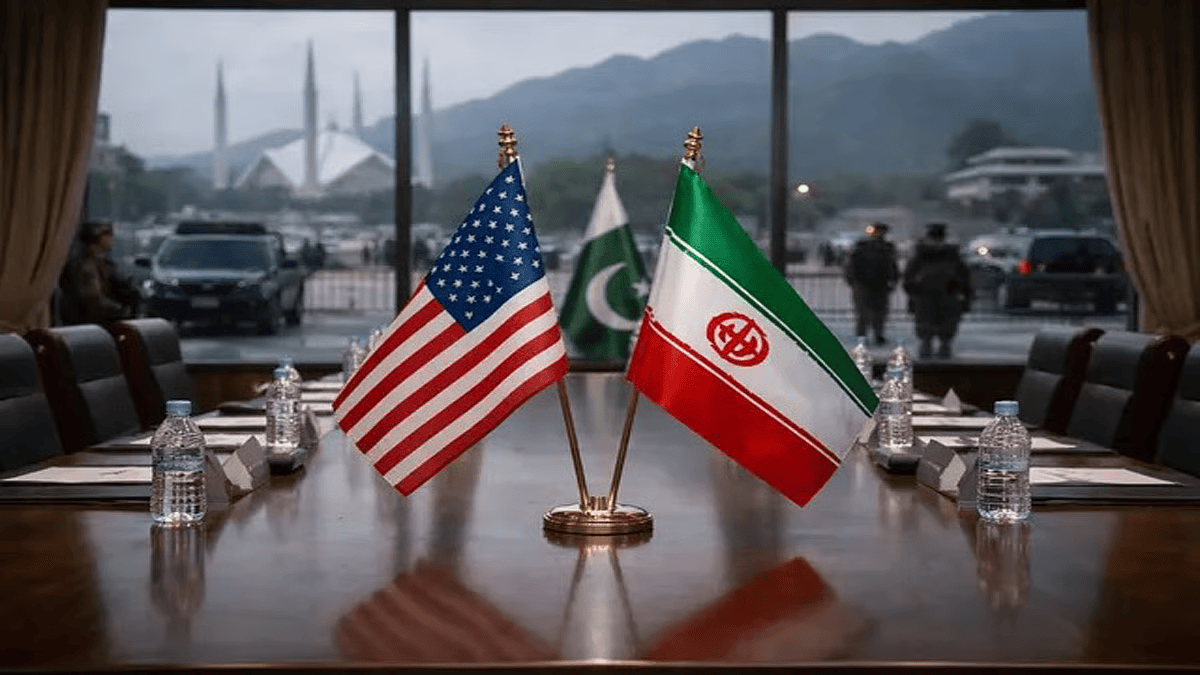
Iran has officially delivered its formal response to a United States peace proposal aimed at ending the ongoing conflict in the Gulf region, according to multiple international reports. The response was reportedly transmitted through Pakistani mediators as diplomatic efforts continue to prevent further escalation between Tehran and Washington.
The proposal from the United States is believed to be based on a 14-point memorandum of understanding focused primarily on regional security concerns, restoring stability in the Strait of Hormuz, and addressing Iran’s nuclear program. Although both sides have acknowledged diplomatic exchanges, neither the United States nor Iran has publicly disclosed the full details of the proposal or Tehran’s response.
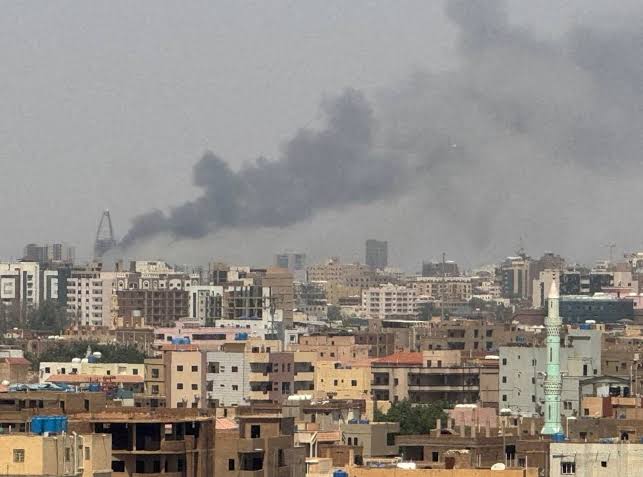
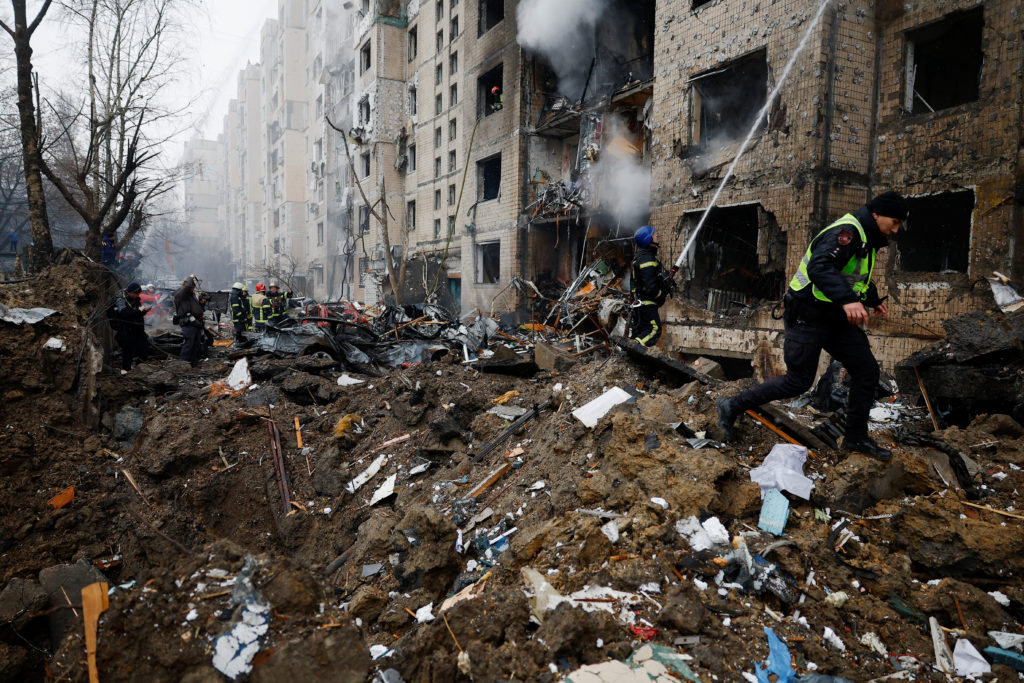
The conflict, which intensified earlier this year following military strikes involving the United States and Israel against Iranian targets, has now entered a fragile ceasefire phase. While occasional incidents and military activity continue to be reported in the region, the temporary ceasefire has largely held, allowing diplomatic negotiations to continue.
One of the central issues in the negotiations remains the Strait of Hormuz, one of the world’s most strategically important shipping routes for global oil and gas supplies. Iran’s restrictions and control measures in the waterway have severely disrupted international shipping and contributed to rising fuel prices in global markets. At the same time, the United States has maintained pressure through maritime restrictions and blockades targeting Iranian ports.
Iranian leaders have strongly criticized the US approach, arguing that the country will not negotiate under pressure. Masoud Pezeshkian declared that dialogue should not be interpreted as surrender and emphasized that Iran’s priority remains protecting national sovereignty and defending the interests of the Iranian people.
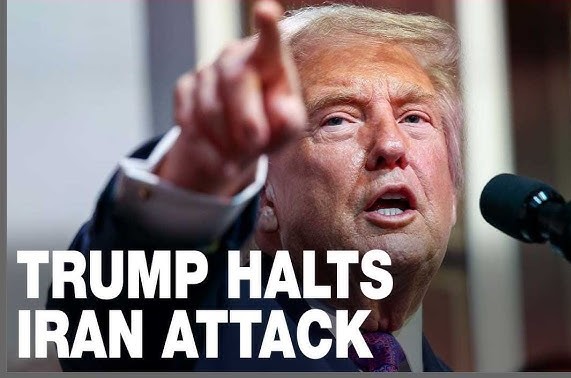
Meanwhile, Donald Trump has repeatedly stated that he believes a resolution to the conflict could be reached soon if Tehran agrees to the proposed framework. Trump has also warned that military operations could intensify if negotiations fail to produce progress.
According to reports from international media outlets, the US proposal may include provisions such as limiting Iran’s nuclear enrichment activities, gradually lifting sanctions, reopening maritime trade routes, and restoring free passage through the Strait of Hormuz. However, several Iranian officials have reportedly criticized the proposal, describing some of the conditions as unrealistic or one-sided.
The situation in the Gulf region remains highly sensitive. Recent reports indicate increased military activity around Qatar, Kuwait, and the United Arab Emirates. Several regional governments have claimed that air defense systems intercepted drones allegedly originating from Iran, while maritime incidents involving commercial ships have further raised concerns about regional security and global trade stability.
International pressure is also growing to secure commercial shipping lanes and prevent wider economic disruption. Defense officials from multiple countries, including the United Kingdom and France, are expected to participate in high-level discussions focused on maritime security and maintaining safe passage through the Strait of Hormuz.
Analysts believe the ongoing negotiations represent one of the most significant diplomatic efforts in recent years between Iran and the United States. However, major disagreements remain unresolved, especially regarding Tehran’s nuclear program, sanctions relief, regional military activity, and control over shipping routes.
While the current ceasefire has created space for negotiations, uncertainty continues to dominate the region. Financial markets, energy companies, and governments worldwide are closely monitoring developments, as any further escalation could have major consequences for global oil prices, trade routes, and Middle East stability.
The coming days are expected to be crucial as both Washington and Tehran evaluate whether diplomatic negotiations can move toward a long-term agreement or whether tensions in the Gulf region could intensify once again.
React to this post
Related Articles