

Related Articles







Global Oil Prices Rise as Iran Rejects US Talks on West Asia Conflict
Global oil prices surged on Tuesday after Iran rejected reports of negotiations with the United States aimed at resolving the ongoing West Asia conflict, triggering renewed fears over supply disruptions.
During early trading, Brent crude rose by around 1.1 percent to reach $101 per barrel, while West Texas Intermediate (WTI) climbed approximately 1.8 percent to $89.71 per barrel.
The rebound follows a sharp drop in prices a day earlier, when U.S. President Donald Trump suggested that a planned attack on Iranian energy facilities had been delayed and hinted at positive discussions with Iranian representatives. However, Iran’s Revolutionary Guards quickly dismissed those claims, calling them a “psychological operation” and denying that any talks had taken place.
Market volatility has intensified as tensions continue to rise in the region. Investors are particularly concerned about the situation in the Strait of Hormuz, a critical oil transit route responsible for roughly 20 percent of global oil and gas supply. Disruptions in the area have significantly impacted market confidence.
Analysts warn that the situation could worsen if the strait remains blocked. Financial institutions such as Macquarie have projected that Brent crude prices could surge as high as $150 per barrel if normal operations are not restored by the end of April.
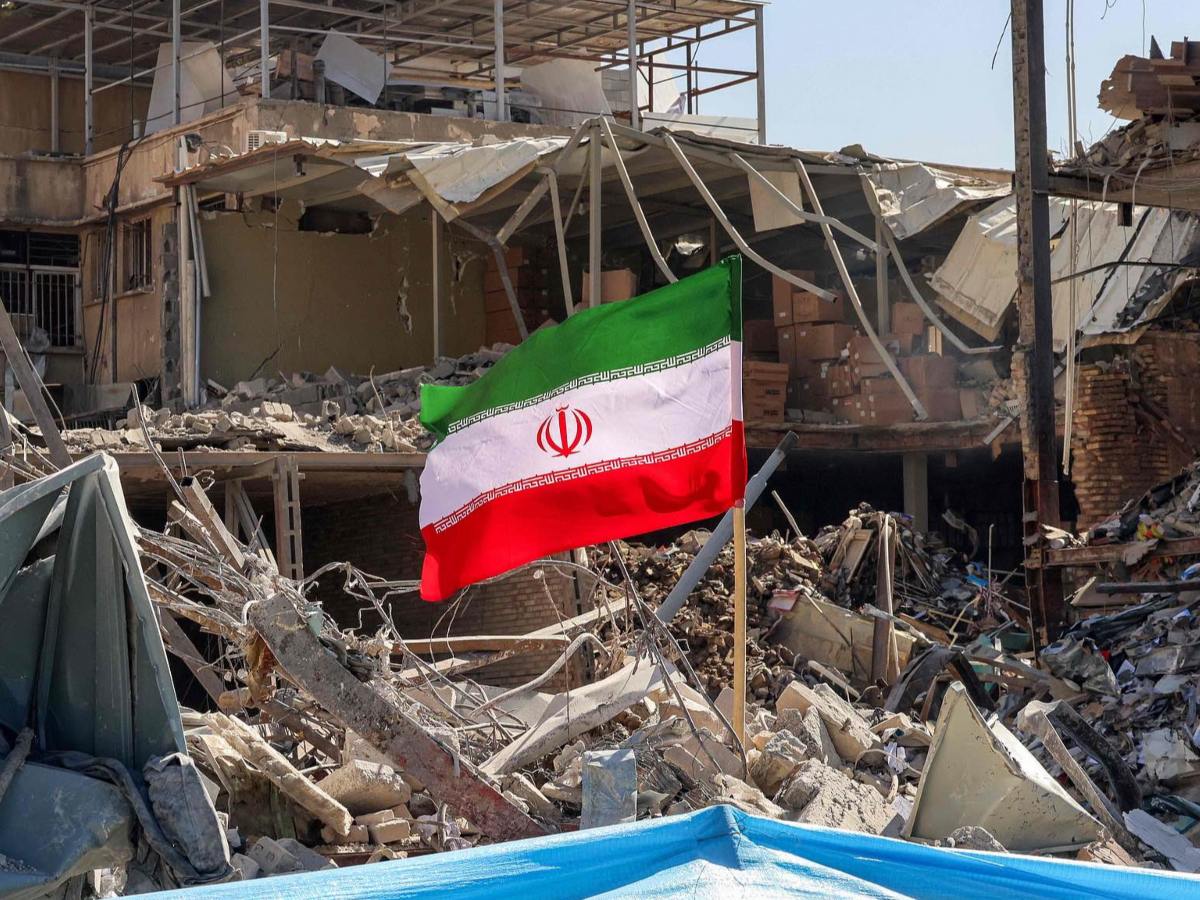
Further complicating the crisis, recent attacks on gas infrastructure in Iranian cities like Isfahan and Khorramshahr have added to supply concerns. Although the United States has temporarily eased restrictions on Russian and Iranian oil shipments in an attempt to stabilize the market, prices remain volatile.
Meanwhile, the International Energy Agency (IEA) is in discussions with governments across Asia and Europe about the possible release of additional strategic oil reserves to ease supply pressures if the situation continues.
As geopolitical tensions escalate, global energy markets are expected to remain highly sensitive to developments in the region.
React to this post
Related Articles






![How to See Your NTC Number [Updated 2026] | Nepinsights](https://nepinsights.com/uploads/post/vTrcIN3n_1776833702.png)