Related Articles









Nepal’s New Payment Gateway Policy Could Be a Major Turning Point for Freelancers and Startups
Nepal is finally moving toward one of the most important digital reforms the country’s technology sector has been waiting for the legal recognition of international payment gateways. For years, Nepali freelancers, startups, SaaS founders, creators, and online businesses have struggled to receive payments from international clients and customers. Now, the government’s latest policy announcement could become a significant milestone in Nepal’s digital transformation journey.
As remote work, freelancing, software exports, content creation, and online entrepreneurship continue growing globally, Nepal’s outdated international payment system has remained one of the biggest barriers preventing digital professionals from competing effectively in the international market.
Government Announces Plan to Legalize International Payment Gateways
Under Nepal’s new policies for the fiscal year 2083/84, President Ram Chandra Poudel announced plans to provide legal recognition to international payment gateways.
The primary goal behind this initiative is to simplify foreign payment transactions, improve foreign currency inflows, strengthen taxation systems, and support Nepal’s growing digital economy. The government also aims to encourage IT exports, remote work, cloud services, cybersecurity businesses, AI-related services, software development, and other knowledge-based industries.
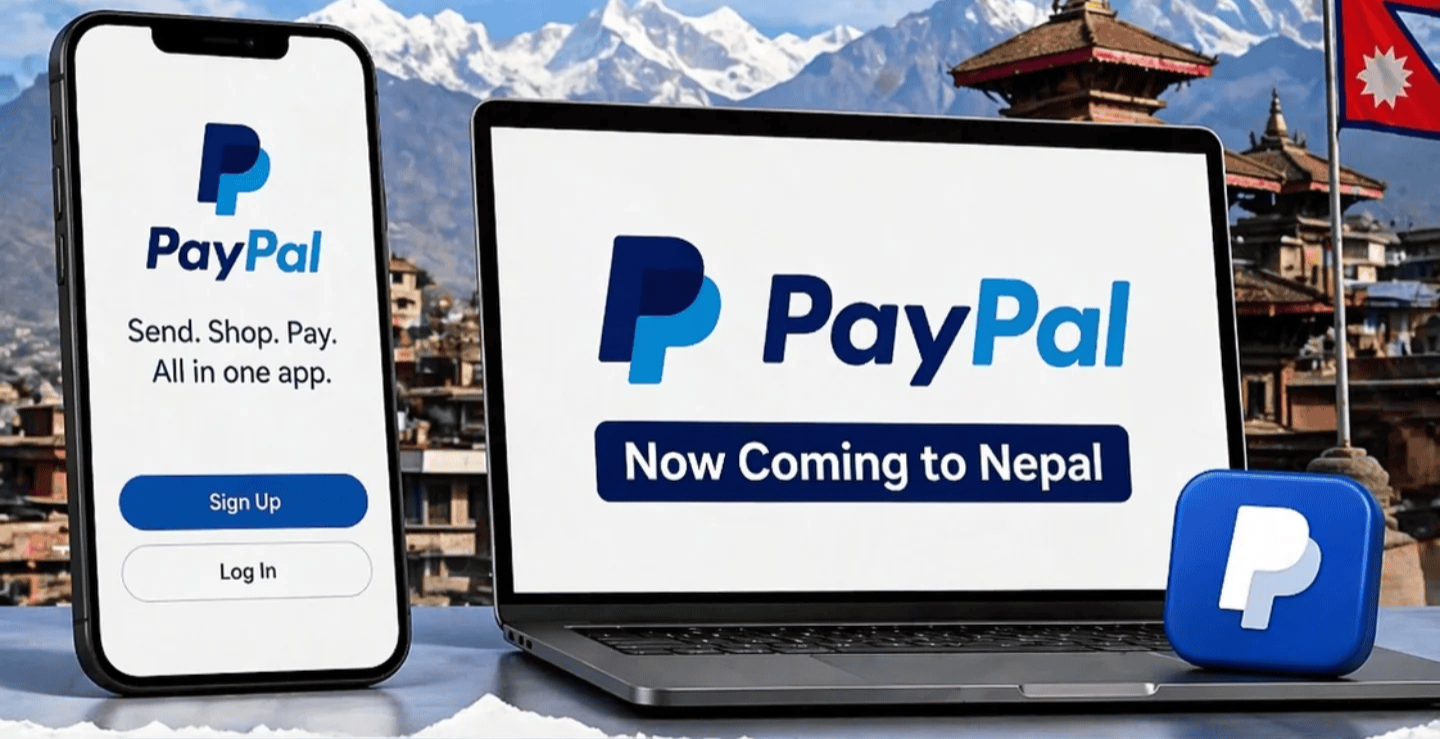
Although the announcement has created excitement across Nepal’s tech community, it is important to understand that this is currently only a policy-level declaration. Major international platforms such as PayPal, Stripe, Skrill, or other payment companies have not officially confirmed their launch in Nepal yet.
Still, the announcement represents a major step forward for Nepal’s digital future.
Why International Payment Gateways Matter for Nepal
Nepal already has several domestic digital payment platforms, including eSewa, Khalti, IME Pay, Fonepay, and ConnectIPS. These services work effectively for local transactions within Nepal.
However, problems arise when Nepali users need to receive international payments from foreign clients or global customers. Freelancers working for overseas companies, SaaS founders selling software subscriptions, YouTubers earning online revenue, and creators selling digital products often face serious difficulties in collecting payments.
This gap has forced many Nepali professionals to depend on complicated alternatives such as Payoneer accounts, SWIFT bank transfers, foreign relatives, or even registering companies abroad just to access international payment systems.
The legalization of international payment gateways could significantly reduce these barriers.
Could PayPal and Stripe Really Enter Nepal?
Many social media rumors have claimed that PayPal or Stripe are launching in Nepal immediately, but that is not officially confirmed.
While Nepal appears on some global service lists of PayPal, Nepali users still do not have access to full business account features, merchant payment systems, or direct bank withdrawal services available in fully supported countries.
Similarly, Nepal is not yet officially supported for normal payment acceptance on Stripe’s platform.
Before companies like PayPal or Stripe expand into Nepal, several key factors must be addressed, including:
- Banking integration
- Foreign currency regulations
- Fraud prevention systems
- Compliance structures
- Local business partnerships
- Taxation frameworks
- Market demand analysis
Therefore, legalization alone does not guarantee immediate availability of these services. However, it creates the legal and regulatory foundation necessary for future integration.
How This Policy Could Benefit Freelancers
Nepal’s freelancing industry has grown rapidly in recent years. Thousands of Nepalis now work remotely in fields such as:
- Software development
- Graphic design
- UI/UX design
- Video editing
- Content writing
- Digital marketing
- Consulting
- Animation
- Web development
Despite earning income globally, many freelancers still struggle to receive payments smoothly.
The legalization of international payment gateways could make life significantly easier for freelancers by allowing them to:
- Receive payments directly from global clients
- Access funds more quickly
- Reduce transaction complications
- Improve financial transparency
- Maintain proper tax records
- Operate professionally without workarounds
For Nepal’s growing digital workforce, this could become one of the most important reforms in years.
Why Startups and SaaS Businesses Need This Policy
For startups and SaaS businesses, international payments are often an even bigger challenge.
Imagine a Nepali startup developing a software product or SaaS platform for global customers. Even if the company successfully attracts international clients, accepting card payments or recurring subscriptions from foreign users becomes extremely difficult due to Nepal’s limited payment infrastructure.
This issue has forced many startups to establish foreign companies simply to access Stripe or global merchant payment systems.
If Nepal successfully implements this policy, SaaS founders and startups could:
- Accept global card payments
- Sell subscription-based software internationally
- Receive payments legally inside Nepal
- Reduce dependency on foreign company registration
- Scale businesses more efficiently
This could help Nepal strengthen its position in the global software export market.
Positive Impact on Creators and Online Businesses
The creator economy is another sector that could benefit massively from this reform.
Digital creators, educators, YouTubers, newsletter writers, designers, and online entrepreneurs often struggle to monetize international audiences due to payment limitations.
With proper international payment gateway integration, Nepali creators may finally gain the ability to:
- Sell digital products globally
- Accept subscription payments
- Receive affiliate income
- Process international card transactions
- Earn directly from global audiences
- Bring foreign currency into Nepal legally
This could encourage more Nepalis to build online businesses while staying inside the country.
Why Nepal Needs This Reform Now
Nepal has long depended heavily on remittance income and foreign labor migration. However, the global economy is changing rapidly.
Today, a software developer in Kathmandu can work remotely for an American company. A designer in Pokhara can sell templates globally. A creator in Nepal can earn through YouTube, affiliate marketing, or online products without leaving home.
The problem has never been lack of talent it has been the inability to receive payments easily.
By modernizing international payment systems, Nepal could encourage skilled youth to stay in the country while participating in the global digital economy.
Major Challenges Nepal Still Faces
Although the policy announcement is promising, several major risks and challenges remain.
Slow Implementation
Nepal has announced many digital reforms in the past that faced long delays during execution. Implementation speed remains one of the biggest concerns.
Restrictive Regulations
If payment rules become too complex or restrictive, freelancers and businesses may continue using unofficial methods instead of formal channels.
Lack of International Platform Interest
Even with legal approval, companies like PayPal and Stripe may still hesitate to enter Nepal if they view the market as too small or risky.
Taxation Complexity
The government must create simple and business-friendly taxation rules. Complicated systems could discourage adoption.
What Needs to Happen Next?
For successful implementation, Nepal Rastra Bank (NRB) and the government must create a clear and practical roadmap.
Key areas include:
- Licensing international payment companies
- Banking integration for foreign currency settlement
- Clear taxation frameworks
- Security and compliance standards
- Business-friendly regulations
- Public awareness and education
Most importantly, the system must remain simple enough for ordinary freelancers, creators, and startup founders to understand easily.
A Golden Opportunity for Nepal’s Digital Economy
Nepal’s move toward legalizing international payment gateways may become one of the most important digital reforms in the country’s recent history.
If implemented properly, this policy could help Nepal:
- Expand IT exports
- Strengthen the digital economy
- Increase foreign currency inflows
- Support startups and SaaS businesses
- Empower freelancers and creators
- Improve tax transparency
- Reduce dependency on labor migration
While services like PayPal and Stripe may not arrive immediately, Nepal has finally acknowledged a problem that the digital workforce has faced for years.
This is not the final solution yet but it could be the beginning of a major transformation for Nepal’s future digital economy.
React to this post
Related Articles