

Related Articles





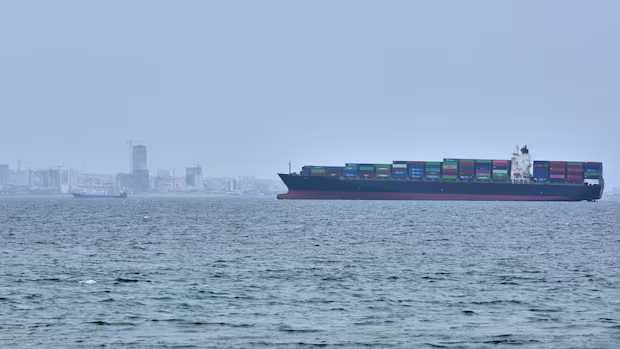
Strait of Hormuz Tensions Escalate as US-Iran Conflict Threatens Global Oil Supply and Security
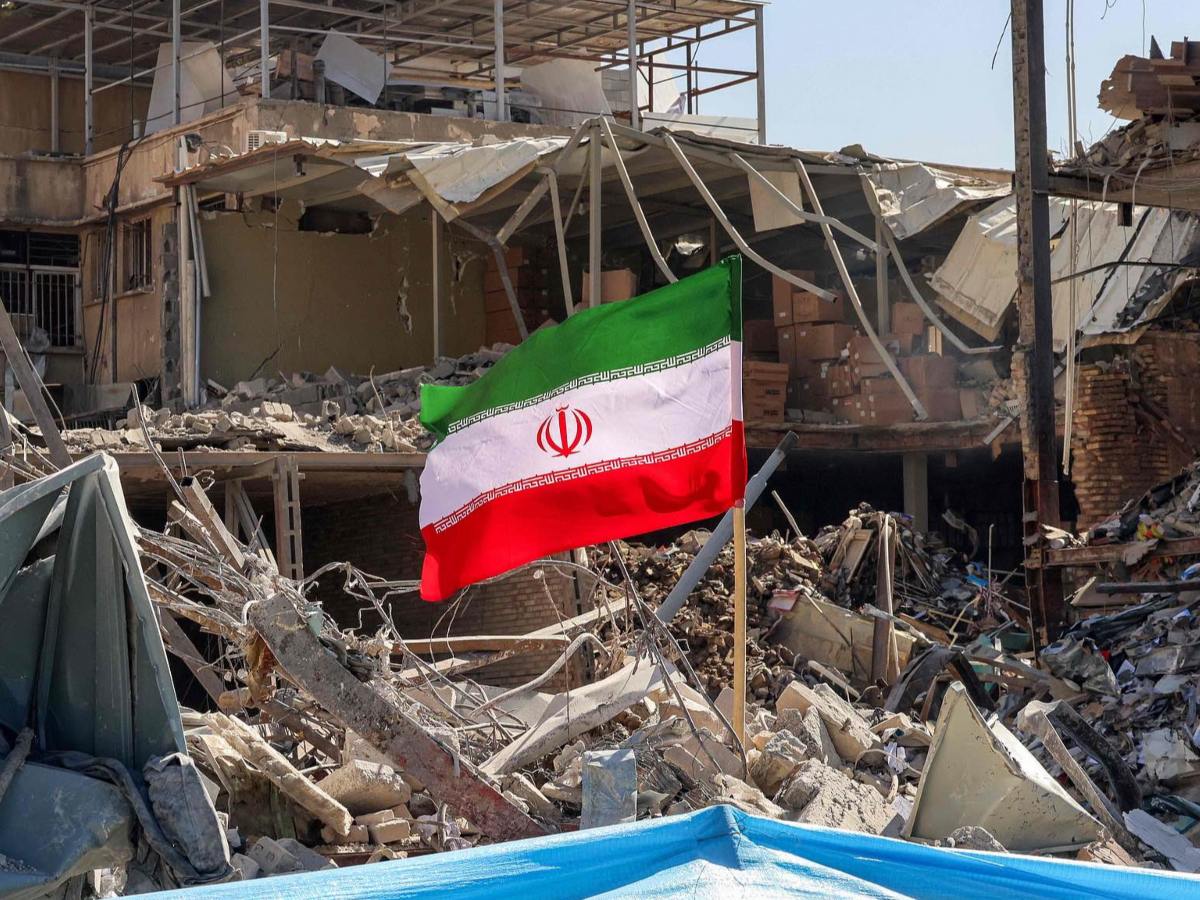
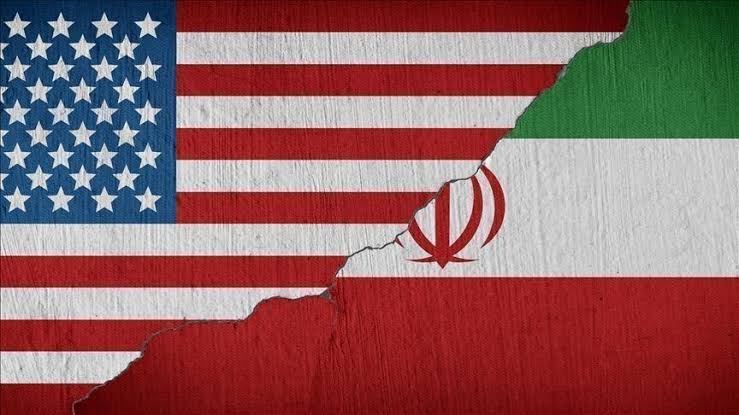
The strategic Strait of Hormuz has once again become a flashpoint in escalating tensions between the United States and Iran, raising serious concerns about global energy security and the risk of a wider conflict.
This narrow maritime corridor, responsible for transporting nearly 20 percent of the world’s oil supply, is now witnessing renewed instability as both sides harden their positions. The situation worsened after the US signaled it would continue its blockade on Iranian ports, prompting Iran to tighten its grip on the waterway.
Shipping Disruptions and Rising Risks
Recent reports indicate that ship traffic through the strait has slowed significantly, with several vessels turning back after alleged warning shots were fired by Iranian forces. Maritime monitoring groups and security agencies have confirmed that tanker movement has nearly stalled again, reversing the brief recovery seen during the ceasefire period.
The disruption has triggered alarm in global markets, as prolonged instability in this crucial route could lead to supply shortages and rising oil prices worldwide.

Iran’s Firm Stance
Iranian officials have made it clear that control over the strait will remain strict unless the US lifts restrictions on its maritime trade. Foreign Minister Abbas Araghchi emphasized that Iran will not allow unrestricted passage for other nations while its own exports are blocked.
Iran’s military, particularly the Islamic Revolutionary Guard Corps (IRGC), has accused the US of violating international norms under the pretext of enforcement measures. Authorities in Tehran argue that the current situation is a direct response to external pressure and economic restrictions.
US Response and Diplomatic Efforts
On the other side, Donald Trump has maintained a tough stance, stating that the blockade will remain in place until a comprehensive agreement is reached. While acknowledging ongoing negotiations, Washington has ruled out any concessions under pressure.
US officials have indicated that diplomatic talks may continue in Pakistan, signaling that both sides are still exploring a potential resolution despite rising tensions.
Global Energy Concerns
The instability in the Strait of Hormuz has significant global implications. Any prolonged disruption could impact oil exports from major producers in the Gulf region, leading to economic ripple effects across Asia, Europe, and beyond.
Energy analysts warn that if the situation escalates further, it could trigger a major global energy crisis, affecting fuel prices, trade flows, and overall economic stability.
Key Issues Behind the Conflict

Several underlying disputes continue to fuel the crisis:
- Nuclear Program: The US is pushing for stricter limits on Iran’s uranium enrichment, while Iran insists on its right to peaceful nuclear development.
- Regional Tensions: Ongoing instability involving Israel and allied groups in the Middle East adds complexity to negotiations.
- Sanctions and Blockades: Economic pressure and trade restrictions remain a major sticking point between both nations.
What Lies Ahead?
Despite ongoing diplomatic efforts, the situation remains fragile. Experts suggest both nations are using strategic pressure to gain leverage before reaching any final agreement.
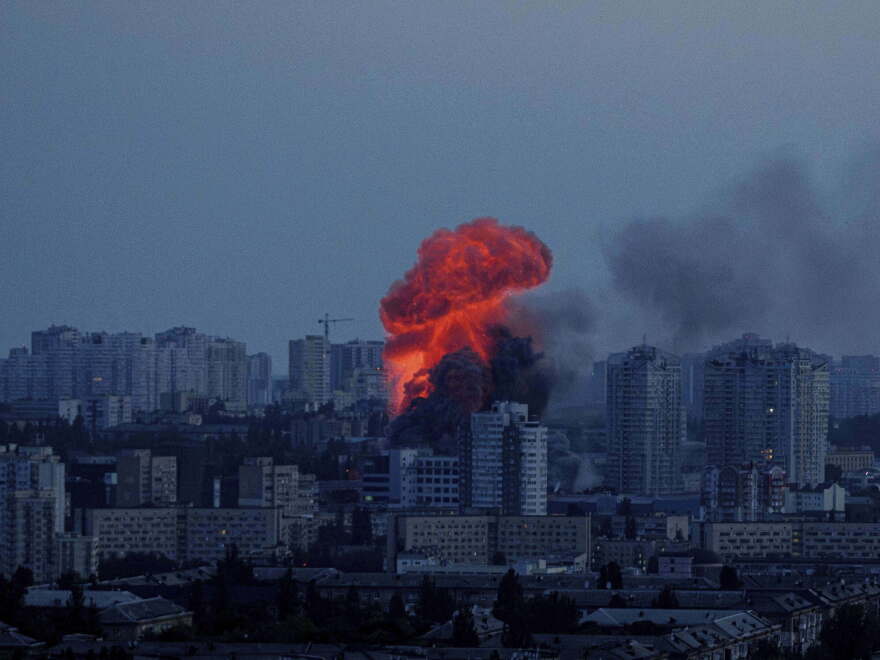
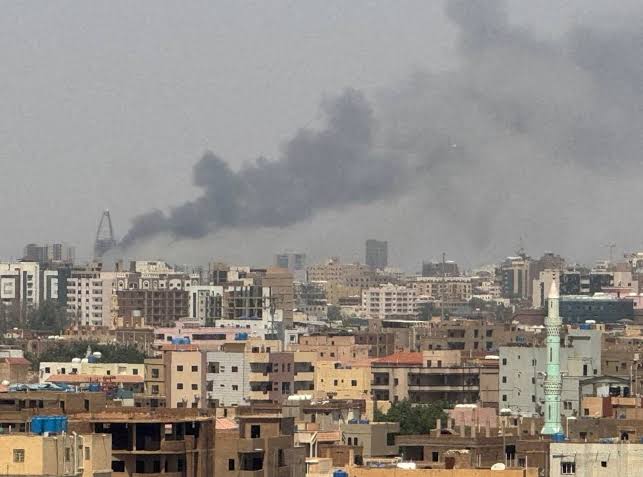
However, with military rhetoric increasing and shipping routes under threat, the risk of escalation cannot be ruled out. The coming days will be crucial in determining whether tensions ease through negotiation or spiral into a broader conflict.
React to this post
Related Articles