
Related Articles









Rising Fuel Prices Push Transport and Cargo Fares to Historic Highs in Nepal
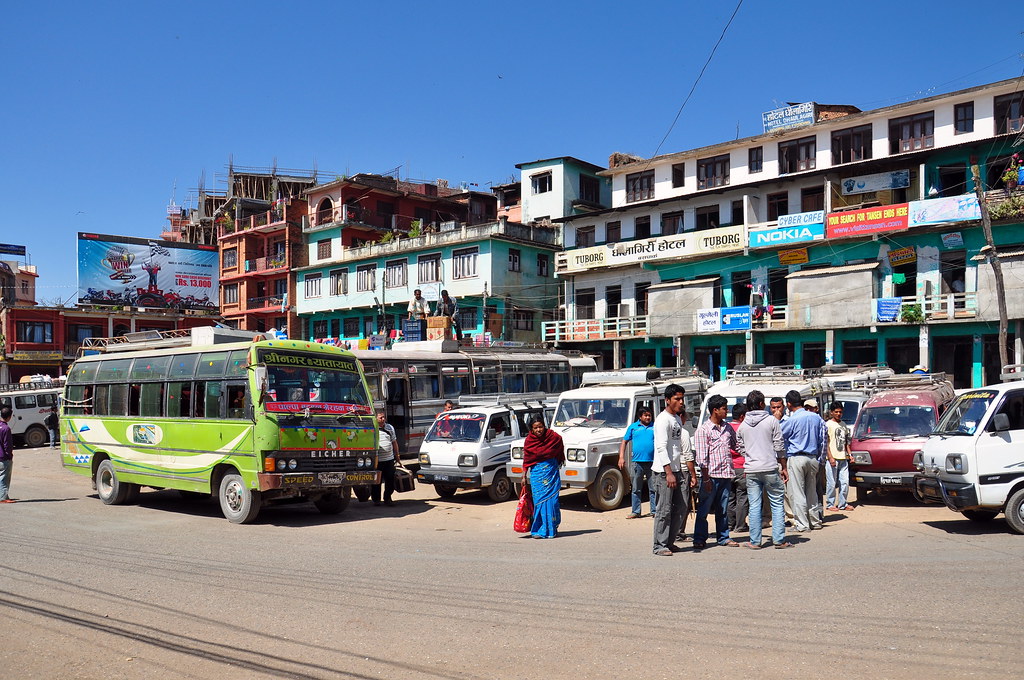
Kathmandu, Nepal – April 9, 2026: Travelling across Nepal just got costlier. With a sharp rise in fuel prices, public transport, cargo, and airfares have surged to all-time highs, threatening household budgets and national economic growth.
The Nepal Oil Corporation (NOC) has increased petrol and diesel prices three times in less than a month due to escalating tensions in West Asia. Petrol in the Kathmandu Valley now costs Rs202 per litre, while diesel has jumped to Rs182 per litre, marking a 31% rise since February.
Automatic Fare Adjustments
Following the fuel hike, the Department of Transport Management allowed transport operators to revise fares immediately:
- Passenger fares increased by 16.71%
- Cargo rates:
- Tarai routes: +15.75%
- Hill routes: +21.68%
For the Kathmandu–Attariya–Bajura route (944.6 km), fares now range from Rs3,656 for normal buses to Rs5,264 for super deluxe tickets. Shorter Tarai routes (25–250 km) now cost Rs3.5 per km per person, up from Rs3.
Cargo transportation costs have also surged, with hill routes now charging Rs17.97 per tonne per km.
Impact on Inflation and Economy
Analysts warn that rising transport costs are feeding directly into inflation, impacting prices of essentials, construction materials, and chemical fertilizers. Economist Chandra Mani Adhikari notes:
“The rise in transport and freight costs means everyone will suffer. Production, trading, and project costs will increase, eventually pushing up both retail and wholesale prices.”
The World Bank projects Nepal’s growth to slow to 2.3% in fiscal 2025-26, down from 4.6% in 2024-25, reflecting geopolitical tensions and domestic challenges.
Rajendra Sangraula, president of the Nepal Freight Forwarders Association, adds:
“As freight charges have increased threefold, market prices could rise by up to 50% if tensions escalate further.”
Low- and middle-income households are expected to bear the brunt of these increases.
Government Response
To mitigate the financial strain on the state-owned oil utility, the government slashed customs and infrastructure taxes on fuel by 50%. Despite this, economists caution that continued fuel price hikes could deepen inflationary pressures and further impact household budgets.
Nepal’s landlocked geography, dependence on imported fuel, and difficult terrain amplify the economic impact of international oil price surges.
React to this post
Related Articles