
Related Articles






Nepal Oil Corporation Denies Direct Impact of West Asian Conflict on Fuel Supply, Attributes LPG Shortage to Hoarding
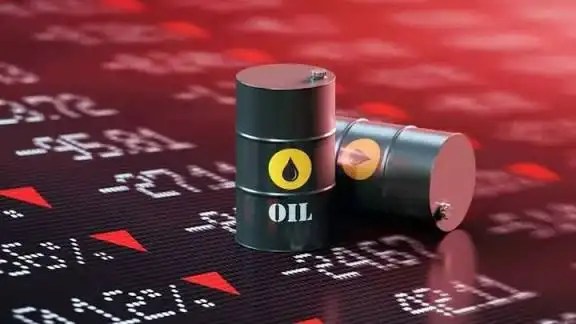
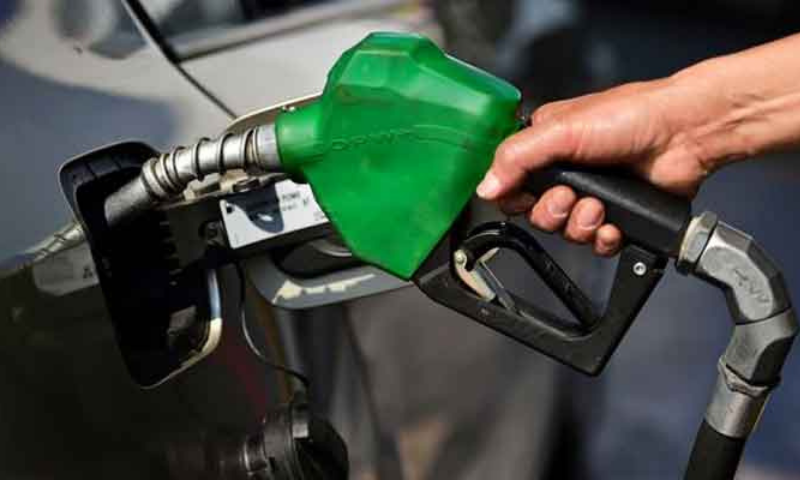
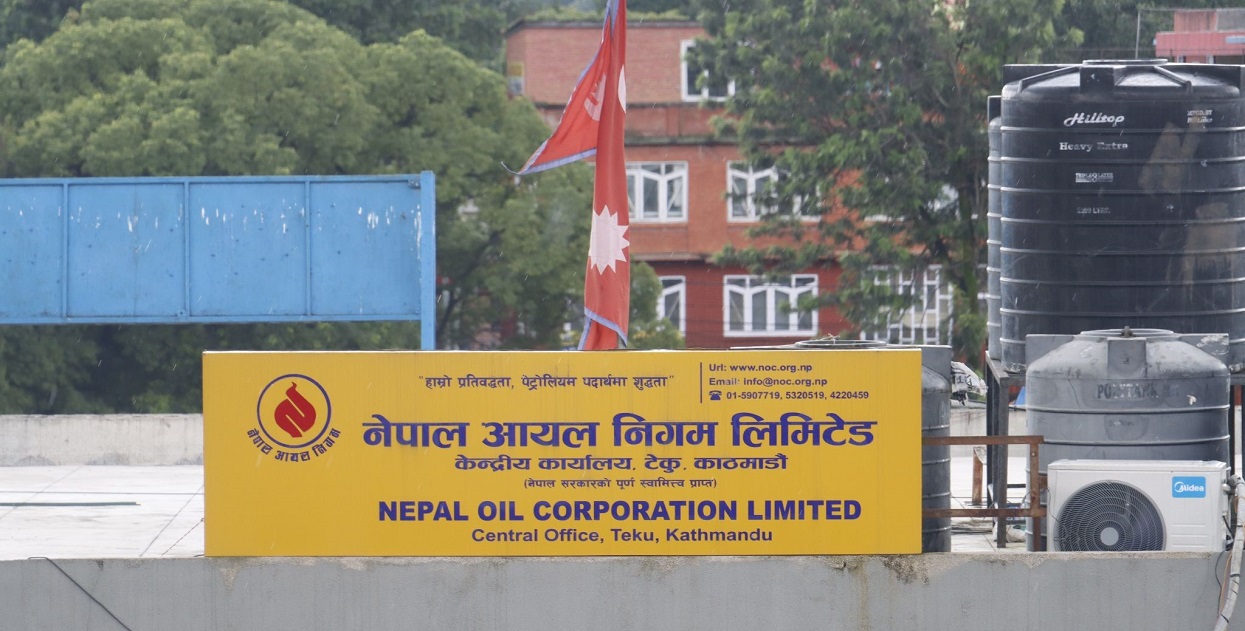
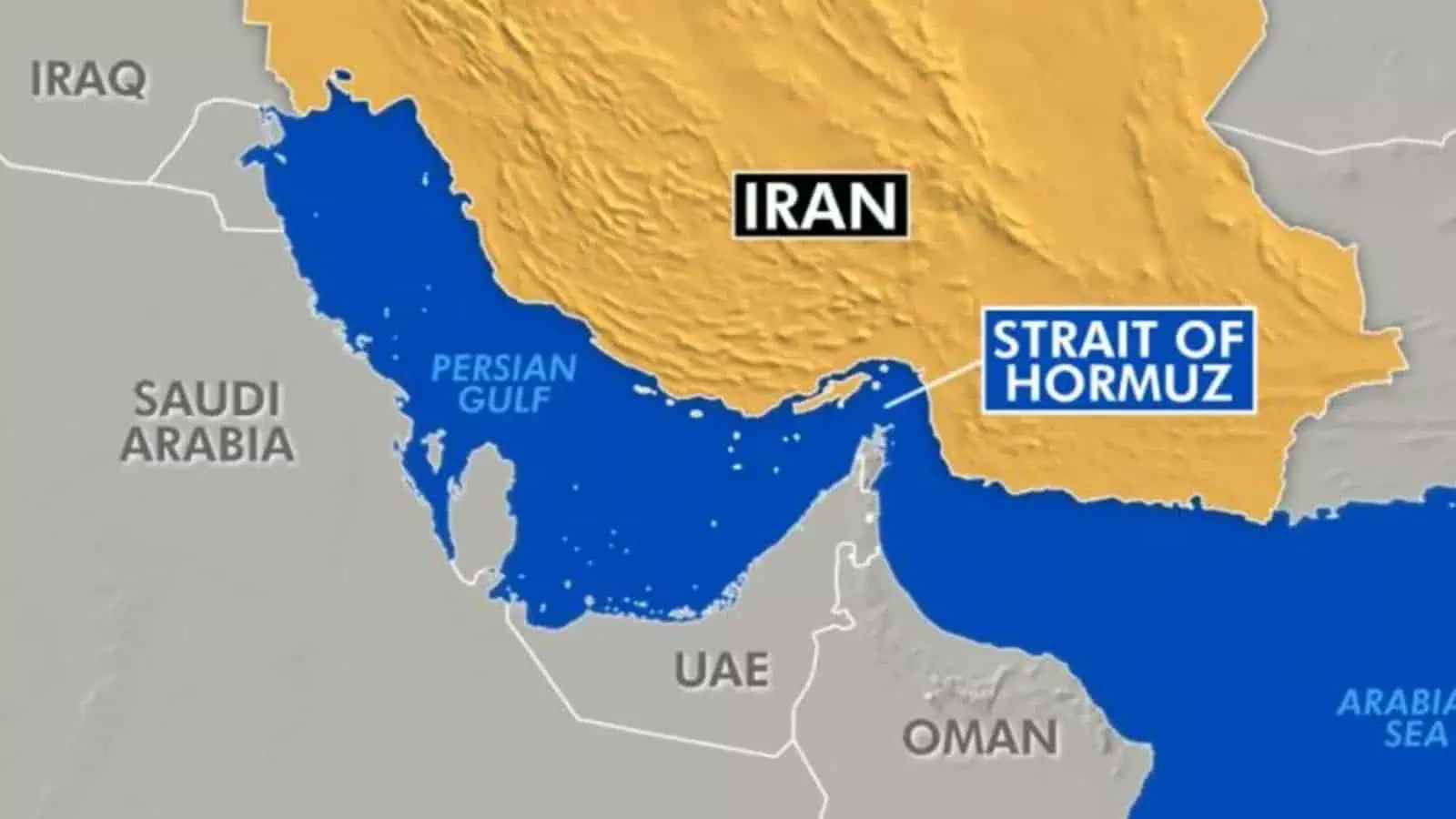
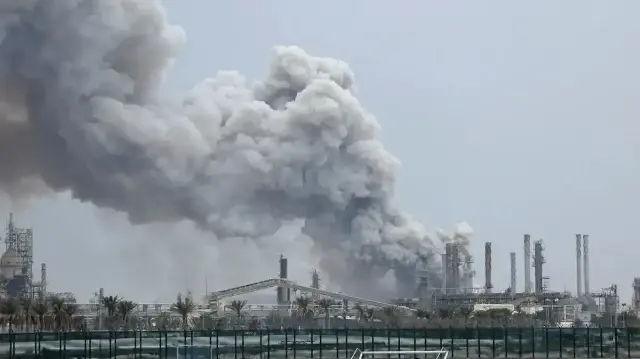
The Nepal Oil Corporation (NOC) has clarified that the ongoing conflict in West Asia has not directly affected Nepal’s petroleum supply. Officials emphasized that the country’s fuel imports remain stable due to its long-term agreement with India’s Indian Oil Corporation (IOC) and the fact that Nepal does not import crude oil, but rather finished petroleum products.
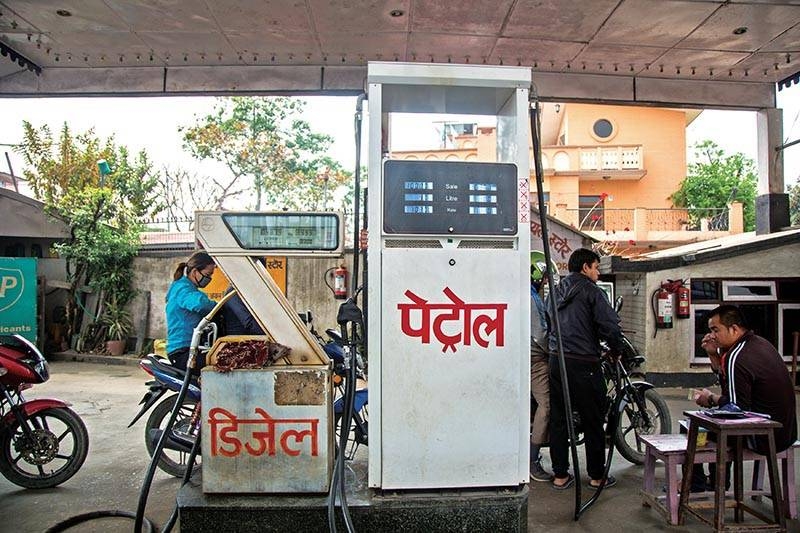
Despite global price increases driven by the conflict, domestic fuel availability remains consistent. NOC Executive Director Dr. Chandika Prasad Bhatta explained, “Nepal does not import crude oil. All petrol, diesel, kerosene, aviation fuel, and LPG are processed in India before arriving here. The conflict has no direct impact on our supply.”
LPG Shortage Not Due to Supply Issues
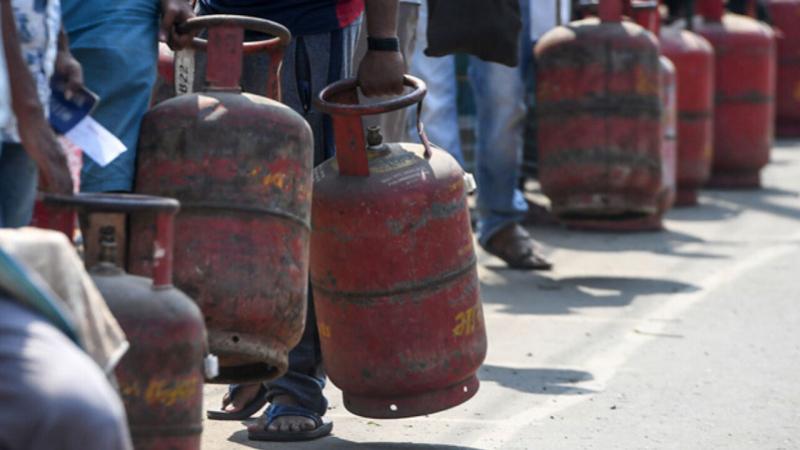
Although all petroleum products are being imported adequately, LPG shortages have surfaced in the market, with cylinders being distributed partially (half cylinders). NOC claims that this shortage is artificial, caused by over-purchasing and hoarding by consumers and industrialists, rather than supply disruptions.
Industry experts and consumer rights activists have criticized this trend. Krishna Prasad Bhandari (Marseli), Chairman of Consumer Awareness Campaign Nepal, alleged that industrialists are intentionally creating shortages to manipulate commission rates. He stated, “Despite sufficient gas imports, industrialists are hoarding cylinders to pressure the government for higher commissions.”
Bhandari also highlighted the effect of affluent consumers buying multiple cylinders at once, leaving vulnerable groups such as students and low-income households struggling to access gas. He added that monitoring authorities have failed to address this issue due to a conflict of interest, as members of NOC’s board include high-level officials from the Department of Commerce and the Ministry, reducing strict oversight.
Half Cylinder Distribution Criticized
Bhandari strongly criticized NOC’s decision to distribute half cylinders (7.1 kg) to mitigate shortages. He warned that this practice could cheat consumers, as retailers may not have accurate weighing machines. “Selling half cylinders without proper measurement benefits industrialists, not consumers. This is effectively a form of fraud,” he said. He emphasized that solving the problem requires strong government monitoring and breaking the monopoly held by industrialists, alongside responsible behavior from consumers.
Daily Demand and Import Situation
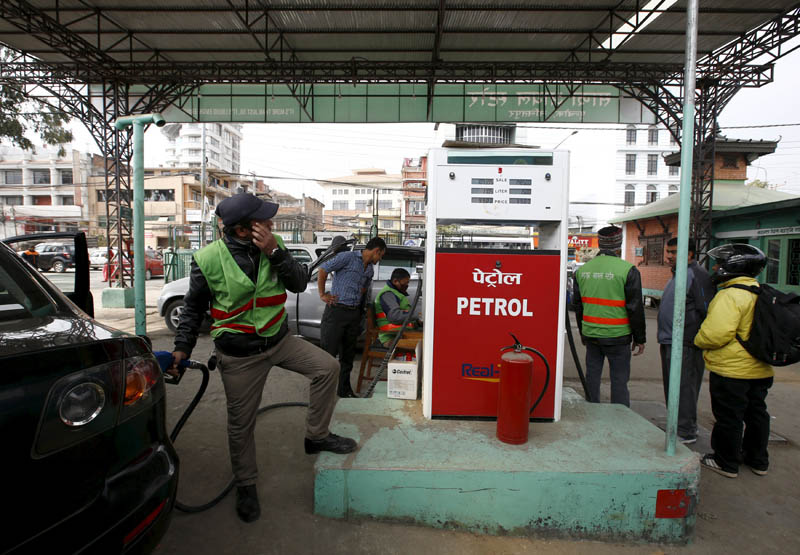
According to NOC, Nepal’s daily petroleum requirement is approximately 2,000 kiloliters of petrol and 4.5 million liters of diesel, while LPG demand is around 50,000 metric tons per month, equivalent to 110,000 cylinders daily. Imports are proceeding according to these requirements.
Pralayankar Acharya, Chief of NOC’s Madhesh Provincial Office, confirmed that pipeline supplies remain consistent, with petrol and diesel entering the system at 300 kiloliters per hour. LPG imports are also substantial, averaging 100,000 to 120,000 cylinders daily, with occasional minor shortfalls of 4–5 thousand cylinders being resolved the following day.
Current fuel reserves in Nepal are sufficient to last:
- Petrol: 10–12 days
- Diesel: 12–14 days
- LPG: Around one week in private bottling plant storage, as NOC lacks its own facilities
While international conflicts have affected global oil prices, NOC asserts that Nepal’s petroleum supply remains stable. The recent LPG shortage is largely artificial, driven by hoarding and industrial manipulation rather than supply disruption. Consumer rights advocates continue to demand stricter government oversight to ensure fair access and pricing for all citizens.
React to this post
Related Articles






































































































 Best Gaming, 4K, & Budget Displays.png)




























 (1).png)













.png)










































.png)

























.png)


















.png)


















![How to See Your NTC Number [Updated 2026] | Nepinsights](https://nepinsights.com/uploads/post/vTrcIN3n_1776833702.png)


































.png)

































.png)








.jpg)










.png)


















.jpg)





















.jpg)






















.png)











.png)




















.png)




.jpg)