Related Articles





11 Years After the 2072 Earthquake: What Has Really Changed in Nepal?
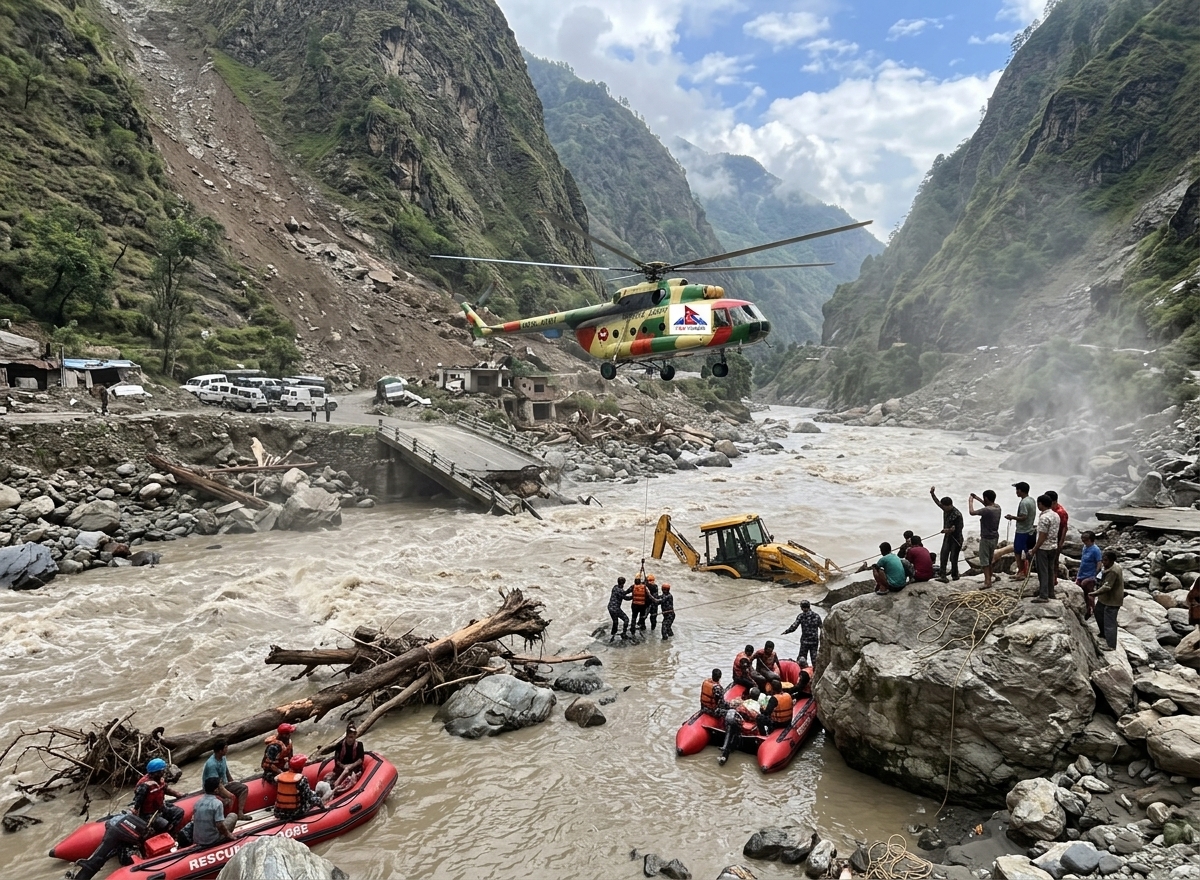
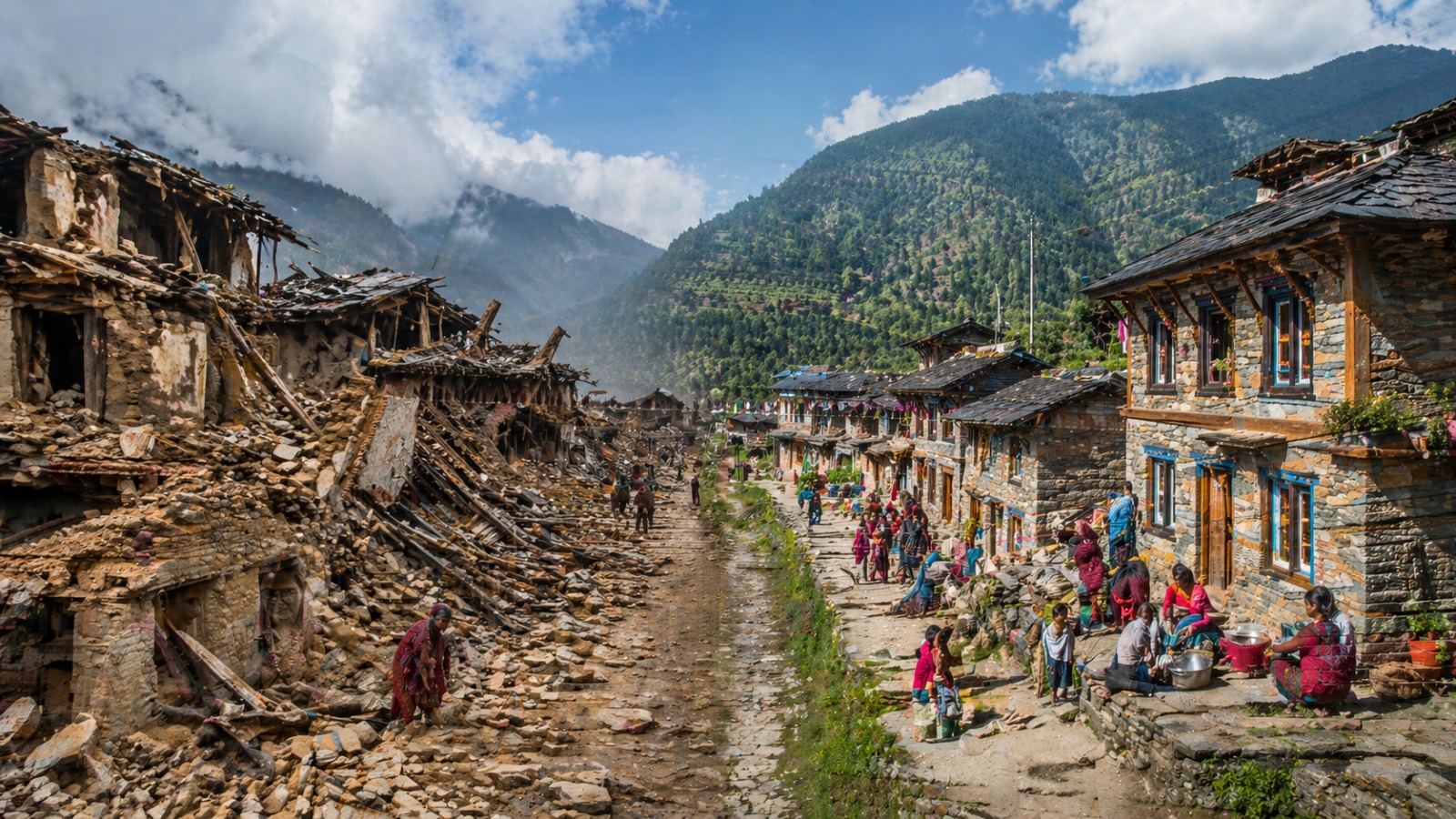
For those who experienced it, the memory is still very real. People remember running out of their homes, the continuous aftershocks, and the uncertainty of not knowing what would happen next. Entire villages were flattened, historical monuments collapsed, and thousands of families were left without shelter.
Now, 11 years later, Nepal has made significant progress in Nepal earthquake recovery, but the journey has not been simple or equal for everyone.
The Earthquake Impact Nepal Faced in 2072
The earthquake impact Nepal experienced was not only physical but also emotional and economic. More than 8,000 people lost their lives, and hundreds of thousands of homes were destroyed or severely damaged. Many families had to live in temporary shelters for months, sometimes even years.
In districts like Gorkha, Sindhupalchok, and Dolakha, the destruction was massive. These areas were close to the epicenter, and entire communities were wiped out within seconds. Even in Kathmandu Valley, buildings cracked, roads split, and heritage sites collapsed in front of people’s eyes.
One of the most powerful examples is Kathmandu Durbar Square. Before the earthquake, it was a symbol of Nepal’s rich cultural history. After the disaster, it became a site of debris and loss. Even today, while much of it has been restored, some parts still remind visitors of what was lost.
Reconstruction Nepal: Rebuilding Homes and Lives
One of the most visible parts of reconstruction Nepal is the rebuilding of houses. After the earthquake, the government introduced housing grants to help people rebuild safer homes. Over time, millions of people were able to construct new houses using improved techniques.
In rural areas like Gorkha, many families shifted from traditional mud houses to stronger structures using cement, steel rods, and proper foundations. This change was not just about rebuilding it was about learning from the past and reducing future risks.
However, the process was not easy. Many families had to wait a long time to receive financial support. Some people did not fully understand the new building guidelines, while others could not afford to follow them completely. As a result, although many homes have been rebuilt, not all of them meet the same safety standards.
This shows that while Nepal earthquake recovery has made progress, it still faces challenges in consistency and accessibility.
Heritage Rebuilding Nepal: Restoring Identity
Nepal is known for its cultural heritage, and the earthquake damaged many important monuments and temples. The work of heritage rebuilding Nepal has taken years, and in many places, it is still ongoing.
A strong example of this is the Dharahara tower. When it collapsed during the earthquake, it was not just a physical loss it was an emotional one for many Nepalis. The tower has now been rebuilt with modern safety features, and it stands again as a symbol of resilience.
In Bhaktapur and Patan Durbar Squares, reconstruction has been done carefully using traditional materials and techniques. Craftsmen worked to maintain the original look of temples and structures, which shows a deep respect for history.
At the same time, there have been debates. Some people question whether the rebuilt structures are truly authentic or if they are slightly modernized for tourism. This discussion reflects a larger issue in post-earthquake Nepal development how to balance preservation with progress.
Nepal Infrastructure Growth After the Earthquake
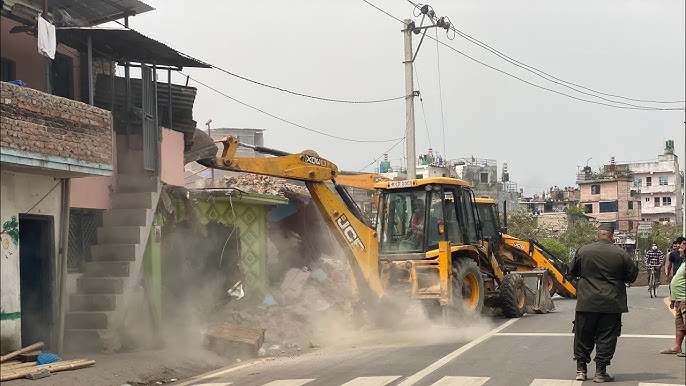
The earthquake also pushed Nepal to improve its infrastructure. In cities like Kathmandu and Pokhara, roads have been widened, new buildings have been constructed, and urban areas have expanded rapidly.
This Nepal infrastructure growth has made daily life easier in many ways. Transportation has improved, and new housing and commercial areas have developed. There is also more awareness about following building codes to make structures safer.
However, this growth has not been equal across the country. While urban areas have seen fast development, many rural regions still struggle with poor roads, limited access to services, and slower reconstruction progress.
This uneven development highlights one of the key challenges in rebuilding after disaster Nepal ensuring that progress reaches everyone, not just cities.
Nepal Disaster Resilience: A Change in Mindset
One of the most important changes after the earthquake is not physical, it is mental. Before 2072, many people in Nepal did not think seriously about earthquake preparedness. Today, Nepal disaster resilience has improved significantly.
Schools now regularly conduct earthquake drills. Children are taught how to protect themselves during a tremor using simple techniques like “Drop, Cover, and Hold.” Families are more aware of emergency kits and safety plans.
Social media and communication have also played a role in spreading awareness quickly. Information about earthquakes, safety tips, and emergency responses is now more accessible than ever.
This shift in awareness is one of the strongest outcomes of post-earthquake Nepal development, as it directly helps save lives in the future.
Real Stories: Life After the Earthquake
In Sindhupalchok, many families lived under temporary shelters made of tin for years before rebuilding permanent homes. Even today, some elderly people talk about how difficult those years were, especially during winter and monsoon seasons.
In Gorkha, local communities came together to rebuild not just houses but also schools and public spaces. People supported each other with labor, materials, and emotional strength.
These real-life experiences show that Nepal earthquake recovery is not just about government efforts, it is also about community resilience and human connection.
What Still Needs Improvement in Nepal
Even after 11 years, Nepal still faces several challenges. In some rural areas, reconstruction is incomplete or of lower quality. Building codes exist, but they are not always strictly followed, especially in remote regions.
There are also concerns about delays and inefficiencies in the early phases of reconstruction. Some victims are still waiting for full support, and trust in systems has been affected in certain cases.
Preparedness levels also vary. While urban populations may be more aware, some rural communities still lack proper training and resources.
These gaps show that Nepal earthquake recovery is ongoing and requires continuous effort.
Why the 2072 Earthquake Nepal Still Matters Today
Nepal lies in an earthquake-prone region, which means future earthquakes are possible. The lessons learned from the 2072 Earthquake Nepal are extremely important for reducing future damage.
Understanding what worked and what did not helps improve planning, construction, and emergency response. It also reminds people that preparedness is not optional, it is necessary.
Conclusion: Nepal’s Journey After 11 Years
After 11 years, Nepal has come a long way. The country has rebuilt homes, restored heritage, and improved awareness. But at the same time, it is still facing challenges in equal development, safety enforcement, and preparedness.
The story of the 2072 Earthquake Nepal is not just about destruction—it is about resilience, learning, and gradual progress.
Nepal today is stronger than before, but it is still evolving. Recovery is not a single moment, it is a continuous journey.
Call to Action
If you experienced the earthquake or have seen the changes over the years, your story matters.
What do you think has changed the most in Nepal since 2072? Share your perspective.
React to this post
Related Articles


 (1).png)