
Related Articles






Fuel Tanker Bound for India Attacked in Strait of Hormuz, Raising Global Energy Supply Concerns
A fuel tanker heading toward India has been attacked in the Strait of Hormuz, one of the world’s busiest and most strategically important maritime routes. The incident occurred on Wednesday and has raised serious concerns about energy supply and maritime security in the region.
The vessel, named Mayuri Nari, owned by a Thai company, was reportedly attacked about 11 nautical miles north of Oman’s coast. The tanker was carrying fuel and was on its way to a port in Gujarat, India.
According to the Thai Navy, the ship had departed from Khalifa Port in Abu Dhabi, UAE, only a few hours before the attack occurred. News agency Associated Press (AP) reported that an unidentified projectile struck the tanker, triggering a massive fire on board. The incident severely damaged the vessel and halted its operations.
Impact on India’s Energy Security
The Strait of Hormuz is one of the most crucial energy corridors in the world. Although the strait is about 33 kilometers wide, only 11 kilometers of it is navigable for large ships, making it a narrow and vulnerable passage for global oil shipments.
India imports a significant portion of its crude oil and natural gas from Middle Eastern countries including Saudi Arabia, Iraq, Kuwait, and the United Arab Emirates, and much of this supply travels through the Strait of Hormuz.
As tensions escalate in the Middle East, concerns are growing about the safety of shipping routes and the stability of global energy supplies.
Rising Middle East Tensions
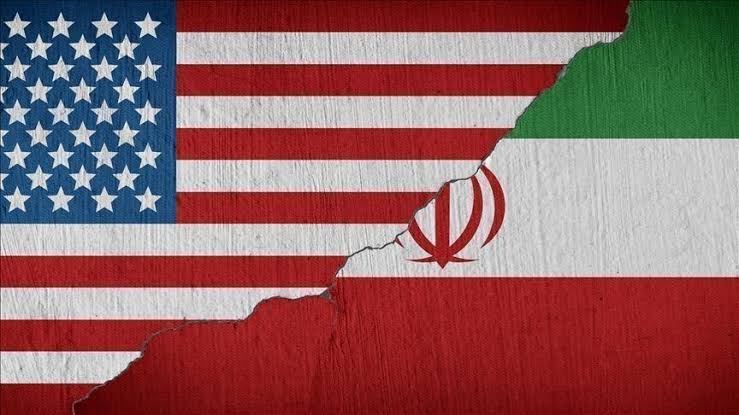
The latest attack comes amid heightened tensions in the region. Iran has reportedly intensified military actions targeting areas hosting US military bases in Gulf countries, in response to earlier attacks by the United States and Israel on Iranian positions.
Iran has also warned that it could block or disrupt oil shipments through the Strait of Hormuz, increasing fears of further attacks on vessels traveling through the critical route.
Global Oil Supply Disruptions
Due to security fears, shipping traffic through the strait has significantly decreased. Reports indicate that only two international tankers have passed through the route in the past 72 hours, as many major shipping companies have begun avoiding the area.
The attack on the tanker bound for Gujarat has drawn condemnation from the Indian government, which expressed concern about the safety of maritime trade and energy supply routes.
If ships avoid the Strait of Hormuz, vessels traveling to India may need to take alternative routes around Africa, which could add nearly two extra weeks to shipping time. This would increase transportation and insurance costs, potentially raising the prices of imported goods.
Oil Prices Surge Worldwide
Global oil prices have already surged due to supply concerns linked to the Middle East conflict. Prices have crossed $100 per barrel in the international market, raising the likelihood of increased fuel prices in India, including petrol, diesel, and cooking gas.
To stabilize global supply, the International Energy Agency (IEA) has announced plans to release 400 million barrels of oil from emergency reserves into the global market.
The United States will contribute the largest share, supplying 172 million barrels from its strategic reserves to help ease supply shortages and control rising prices.
React to this post
Related Articles