

Related Articles









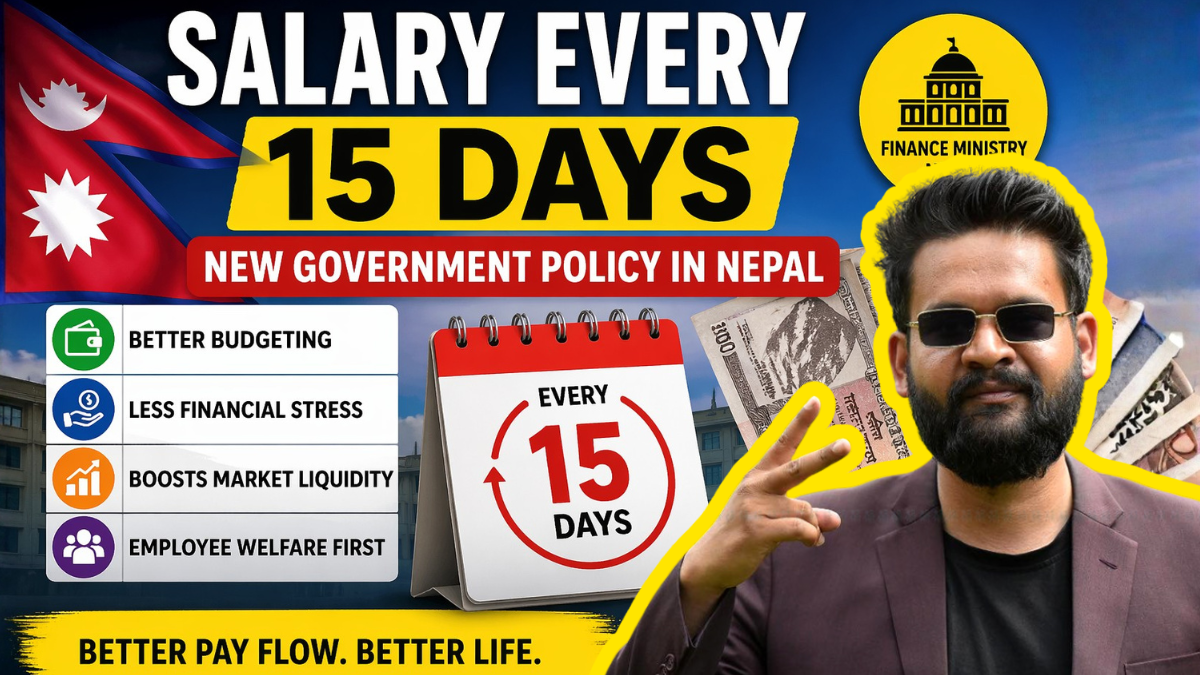
New Government Policy: Salary in 15 Days for Employees in Nepal | Nepinsights
New Nepal Government Policy: Salary in 15 Days for Employees in Nepal
Nepinsights: The Finance Ministry of Nepal has recently introduced a significant shift in the payroll system by proposing a salary in 15 days model for government officers. This move aims to modernize the financial management of government employees, moving away from the traditional monthly pay cycle.
By providing wages twice a month, the government intends to help workers manage their household expenses more effectively and reduce the need for short-term high-interest loans. At NepInsights, we keep a close eye on these economic shifts to ensure you stay informed about how national policies impact your daily financial life.
Understanding the Salary in 15 Days System
The concept of a semi-monthly payroll is not entirely new globally, but for the Nepalese administrative framework, it marks a historic change. The primary objective behind distributing salary in 15 days is to maintain a steady flow of liquidity in the market and provide immediate relief to low-income earners who often struggle toward the end of a 30-day month. This initiative, spearheaded by the Finance Ministry, reflects a proactive approach to civil service reform.
According to NepInsights experts, this system involves dividing the monthly pay into two equal or scheduled installments. Instead of waiting for the end of the Nepali month (e.g., the last day of Ashar), employees will receive a portion of their earnings mid-month. This helps in balancing the supply and demand of cash within the economy and ensures that the purchasing power of the workforce remains consistent throughout the month. This change is particularly relevant following the update to the Government Salary Scale 2082/83, which saw adjustments across various levels.
👉 When is Dashain Tihar in 2083?
Benefits of Bi-Monthly Payments for Workers
The transition to receiving your salary in 15 days offers several practical advantages for the Nijamati Karmachari and other public sector workers:
· Better Budgeting: Managing a large sum of money for 30 days can be difficult. Breaking it into 15-day chunks makes it easier to allocate funds for groceries, utilities, and education.
· Debt Reduction: Many employees in Nepal rely on "dhukuti" or informal loans to cover mid-month expenses. Regular bi-monthly payments can eliminate the need for such borrowing.
· Increased Morale: Knowing that the next paycheck is only two weeks away rather than four can significantly boost employee motivation and reduce financial stress.
· Market Liquidity: When thousands of employees receive funds mid-month, it keeps the local retail market active, benefiting small business owners and vendors.
NepInsights has noted that while the policy currently targets the civil service, there is a strong possibility that the private sector might adopt similar models if the government’s pilot phase proves successful.
Implementation Challenges and Solutions
While the idea of a salary in 15 days sounds beneficial, the implementation requires a robust digital infrastructure. The Office of the Comptroller General must ensure that the "SUTRA" and other accounting systems are capable of processing payroll twice as often without errors. This aligns with the latest Nepal Finance Ministry Directives aimed at digitizing the economy.
There is also the concern of administrative workload. HR departments and accounting officers will now have to double their efforts in verifying attendance, deductions, and tax calculations. However, with the increasing digitalization of government services in Nepal, these processes are expected to become automated over time. The goal is to ensure that the transition is seamless and does not lead to delays in the disbursement of funds.
Impact on the Private Sector and Minimum Wage
Many people are wondering if private companies will also start giving salary in 15 days. Currently, the Labor Act of Nepal provides some flexibility, but most private firms stick to the monthly schedule for ease of accounting. However, as the government sets this precedent, competitive pressure in the labor market might force private employers to follow suit to retain talent.
A research piece on NepInsights suggests that sectors like hospitality and manufacturing could benefit the most from this system. This is especially important for those earning the minimum wage in Nepal 2025, as more frequent payments provide better financial stability for daily needs. It provides workers with immediate gratification for their labor, which can decrease absenteeism in office.
👉 Why Volleyball Is the National Game of Nepal
Frequently Asked Questions
Does the 15-day salary policy apply to all private companies in Nepal?
No, currently this directive is primarily focused on government civil servants. Private companies still follow their own internal policies or the standard monthly cycle as per their employment contracts.
Will my total monthly income decrease with this new system?
Absolutely not. Your total monthly earnings remain the same; only the frequency of the payment changes. You receive half of your monthly pay every two weeks.
How will taxes be calculated in the salary in 15 days model?
Income tax in Nepal is calculated on an annual basis. Even if you receive pay every 15 days, the tax deduction (TDS) will be proportioned accordingly so that your total tax liability remains accurate at the end of the fiscal year.
Will this system affect my pension or provident fund?
No, the contributions to the Provident Fund (EPF) and Citizen Investment Trust (CIT) will continue as usual. They will simply be deducted in smaller installments from each bi-monthly paycheck.
What happens if a public holiday falls on the 15th day?
Typically, if a payday falls on a public holiday or a Saturday, the salary is credited on the last working day before the holiday.
Conclusion
The introduction of the salary in 15 days in Nepal policy is a progressive step toward modernizing Nepal’s labor and financial landscape. By adjusting the frequency of payments and keeping up with the Nijamati Karmachari News, the government is addressing the practical needs of the workforce. While the transition may take time for everyone to get used to, the long-term benefits for liquidity and employee welfare are promising.
Stay tuned to NepInsights for more updates as this policy rolls out across different government departments and potentially moves into the broader job market and also do follow us on facebook for latest updates.
React to this post
Related Articles