Related Articles





Author Condemns US-Israel Military Actions, Expresses Support for Iran
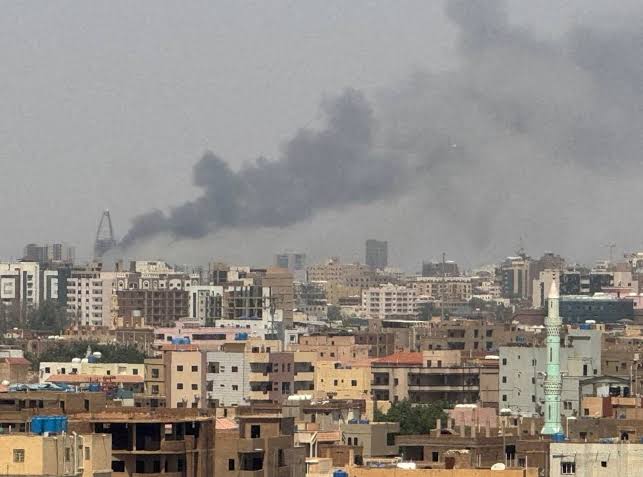
During a discussion about her recently released book “My Mother Comes to Me,” a well-known author used the opportunity to speak about escalating tensions in the Middle East. While the event focused on literature, she said it was impossible to ignore the situation in cities such as Tehran, Isfahan, and Beirut, which she described as being affected by ongoing violence.
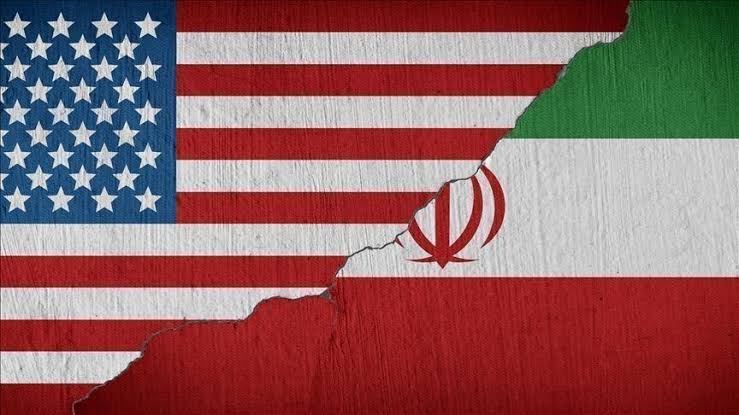
The author strongly criticized what she described as a unilateral and unlawful military attack carried out by the United States and Israel against Iran. According to her, the action is linked to the broader conflict involving Gaza, where she accused the two countries of continuing destructive military campaigns that have caused heavy civilian suffering.
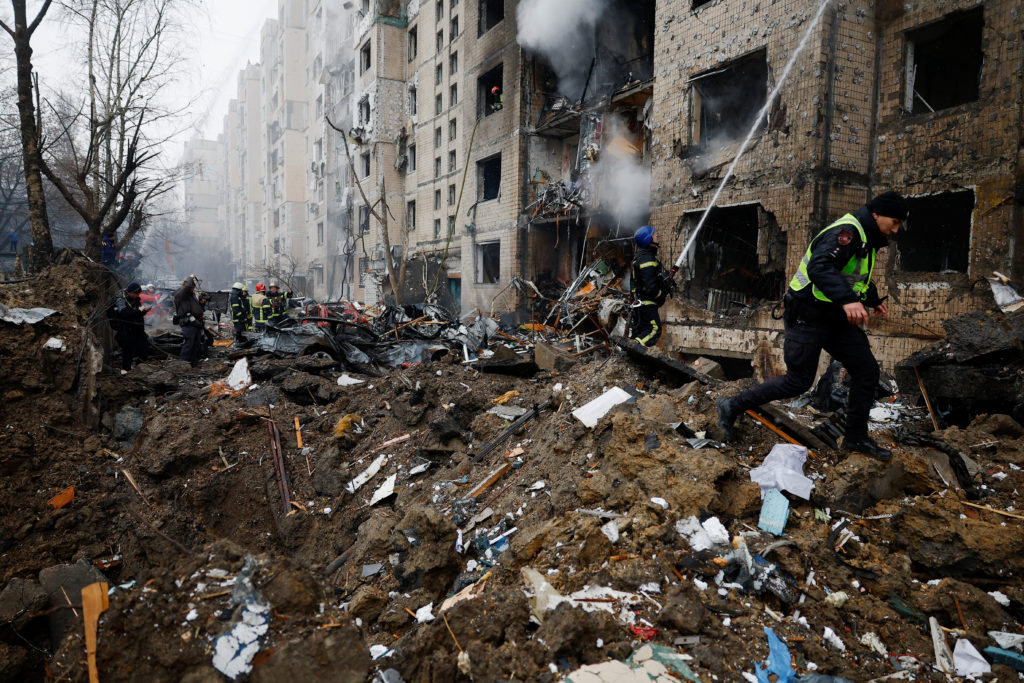
She alleged that tactics such as attacks on hospitals, large-scale bombing, and the deaths of women and children have been part of the conflict. At the same time, she argued that the nations responsible for the attacks often portray themselves as victims in global discussions.
The author warned that the situation involving Iran could escalate far beyond regional tensions. She said the current crisis has raised concerns about the possibility of wider war, economic instability, and even the risk of nuclear confrontation.
Expressing her personal stance, she said she stands in solidarity with Iran, though she clarified that governments in any country can face criticism or require change. However, she argued that political change should come from the people of those countries rather than through external intervention by powerful nations.
In her remarks, she also criticized the foreign policy of India, saying the country has not taken a strong position against international actions it considers unjust. She expressed disappointment that India, which once valued independence and self-respect in global affairs, is now appearing hesitant to challenge powerful allies.
The author further questioned recent diplomatic and economic engagements between India, Israel, and the United States. She pointed to trade agreements and geopolitical decisions as examples of policies she believes could negatively affect local industries and farmers.
She also raised concerns about Indian workers being sent to Israel during the ongoing conflict, particularly after many Palestinian workers lost their jobs. Reports suggesting that foreign workers may not receive the same protection as locals during attacks were also mentioned in her speech.
Concluding her remarks, the author criticized what she described as a growing culture of nationalism and aggression in popular media, arguing that films and narratives often portray unrealistic victories and glorify violence rather than encouraging critical thinking.
Her comments have sparked debate online and in political circles, with supporters praising her outspoken stance while critics argue that her views are controversial in the context of sensitive international conflicts.
React to this post
Related Articles