
Related Articles


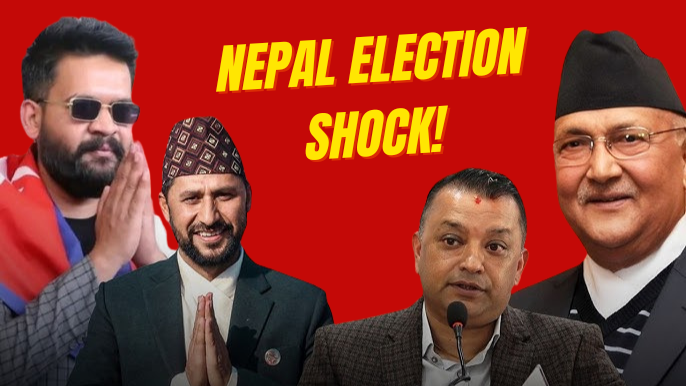
Ravi–Balen Victory, Oli Defeated, What About Gagan?
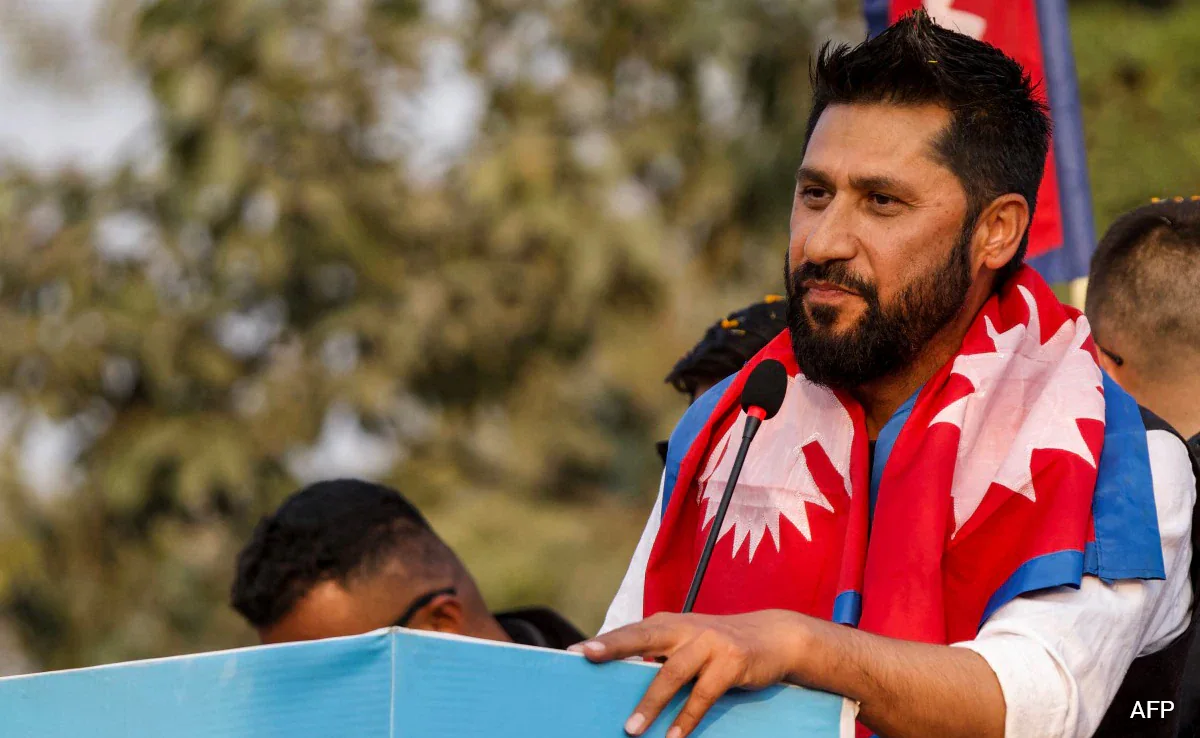
Kathmandu: The latest election results in Nepal have signaled a major shift in the country’s political landscape. The strong performance of the Rastriya Swatantra Party (RSP) and the growing popularity of leaders like Rabi Lamichhane and Balen Shah show a rising public desire for new political leadership.
RSP, which was established only a few years ago, had already surprised many in the 2022 elections by securing more than 1.2 million votes and winning 21 parliamentary seats. The party’s decision to present Balen Shah as its prime ministerial candidate has further energized its supporters and expanded its base across the country.
Political observers say the growing support for RSP reflects widespread dissatisfaction among voters toward traditional parties such as the Nepali Congress, CPN-UML, and CPN (Maoist Centre). Many voters believe these parties have failed to deliver the governance, development, and reforms they promised.
Before this political wave, Nepal had already seen signs of public frustration. Movements like the “Enough is Enough” campaign and the rise of independent candidates signaled that voters were searching for alternatives. Balen Shah’s victory in the Kathmandu mayoral election, where he defeated candidates from major political parties, was considered a major turning point.
Meanwhile, CPN-UML Chairman KP Sharma Oli had amended party rules to remove the 70-year age limit, allowing himself to seek another term in leadership. However, critics say such moves strengthened his control within the party but also increased public criticism and dissatisfaction.

Within the Nepali Congress, leader Gagan Thapa has been advocating for reforms and internal restructuring. However, analysts say the party still struggles with factionalism and internal conflicts, making reforms difficult to implement.
Many political commentators believe the current results show that Nepali voters are willing to shift their support when they feel their expectations are not met. In the past, leaders like Pushpa Kamal Dahal “Prachanda” and KP Sharma Oli had also enjoyed strong public backing, but public sentiment later shifted when expectations remained unfulfilled.
Experts argue that while the rise of RSP and new leaders reflects hope for change, it also brings high expectations and responsibility. Voters are now watching closely to see whether new leaders can deliver better governance, transparency, and development.
For Nepal’s political future, analysts say the key lesson is clear: political parties are important, but none are indispensable. Ultimately, it is the voters who decide which leaders remain relevant and which ones fade from power.
React to this post
Related Articles