Related Articles







Why Bhaktapur Durbar Square Is Nepal’s Most Beautiful Heritage Site | NepInsights
Hidden in the historic city of Bhaktapur, Bhaktapur Durbar Square is one of the most breathtaking cultural landmarks in Nepal. With centuries-old temples, stunning wood carvings, and vibrant Newari traditions, the square feels like stepping into a living museum of Nepalese history.
Every year, thousands of visitors travel to Bhaktapur to explore this UNESCO World Heritage Site. From towering pagoda temples to ancient royal palaces, Bhaktapur Durbar Square represents the artistic and architectural brilliance of medieval Nepal.
If you want to experience authentic Nepali culture, this historic square should be at the top of your travel list.
The History of Bhaktapur Durbar Square
The history of Bhaktapur Durbar Square dates back to the Malla dynasty, which ruled Nepal between the 12th and 18th centuries. During this period, Bhaktapur flourished as a powerful kingdom known for its art, culture, and architecture.
Kings of the Malla era built magnificent palaces, temples, and courtyards in the square. These structures were designed with intricate wood carvings, golden roofs, and stone sculptures that still amaze visitors today.
Despite natural disasters like the 2015 Nepal Earthquake, many monuments have been carefully restored, preserving the square’s historical beauty.
Today, Bhaktapur Durbar Square stands as a symbol of Nepal’s rich cultural heritage.
Top Attractions in Bhaktapur Durbar Square
Visitors exploring Bhaktapur Durbar Square will find many incredible historic sites.
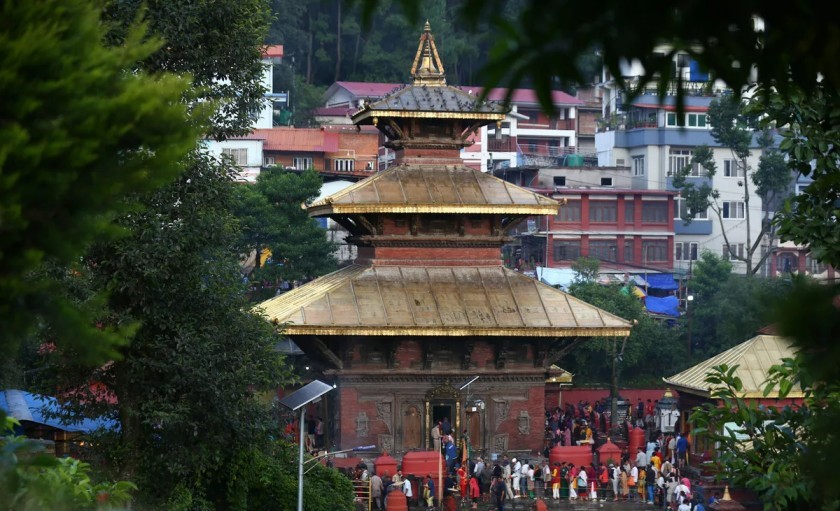
Nyatapola Temple
One of the most iconic landmarks in Bhaktapur is Nyatapola Temple, the tallest pagoda temple in Nepal. Built in 1702, the temple is famous for its five-tier architecture and massive stone guardians.
Climbing the temple steps offers a stunning view of Taumadhi Square and the surrounding traditional buildings.

55 Window Palace
Another must-see structure is the 55 Window Palace, a masterpiece of Newari wood craftsmanship. The palace once served as the royal residence of Bhaktapur kings.
Its beautifully carved wooden windows remain one of the finest examples of traditional Nepali architecture.

Golden Gate
The Golden Gate is considered one of the most magnificent pieces of metalwork in Nepal. Decorated with intricate designs and religious symbols, it serves as the entrance to the palace courtyard.

Experience the Unique Culture of Bhaktapur
Walking through Bhaktapur Durbar Square is not just about seeing monuments—it’s about experiencing living culture.
Local artisans still practice traditional crafts such as:
-
Pottery making
-
Wood carving
-
Thangka painting
-
Handmade pottery
Visitors can watch craftsmen at work in nearby pottery squares, keeping ancient traditions alive.
Festivals and religious ceremonies are also regularly celebrated here, making the square vibrant and culturally rich.
Don’t Leave Without Trying Juju Dhau
A visit to Bhaktapur is incomplete without tasting the famous Juju Dhau, also known as King Curd.
This traditional Newari yogurt is:
-
Thick and creamy
-
Slightly sweet
-
Made from rich buffalo milk
-
Served in traditional clay pots
Many travelers say that Juju Dhau is the best yogurt in Nepal. Small local shops around Bhaktapur Durbar Square sell freshly prepared curd every day.
Trying this iconic dessert is one of the most authentic culinary experiences in Bhaktapur.
Best Time to Visit Bhaktapur Durbar Square
The best time to explore Bhaktapur Durbar Square is during:
-
Autumn (September – November)
-
Spring (March – May)
During these seasons, the weather is pleasant and ideal for sightseeing.
Early mornings and late afternoons are the best times for photography, as the golden sunlight beautifully illuminates the temples and courtyards.
Travel Tips for Visitors
If you plan to visit Bhaktapur Durbar Square, keep these tips in mind:
✔ Arrive early to avoid crowds
✔ Wear comfortable walking shoes
✔ Bring a camera for stunning architecture photos
✔ Respect local customs and temples
✔ Try traditional foods like Juju Dhau
Exploring the narrow streets around the square will reveal hidden courtyards, local markets, and authentic Newari culture.
Why Bhaktapur Durbar Square Is Special ?
There are many heritage sites in Nepal, but Bhaktapur Durbar Square stands out because it perfectly blends history, culture, and daily life.
Visitors can experience:
-
Ancient temples and palaces
-
Living Newari traditions
-
Authentic local cuisine
-
Traditional art and crafts
Unlike many historic monuments that feel like museums, Bhaktapur Durbar Square remains a living heritage site where culture continues to thrive.
Frequently Asked Questions (FAQ)
✔ Why is Bhaktapur Durbar Square famous?
Bhaktapur Durbar Square is renowned for its medieval temples, royal palaces, and traditional Newari architecture.
✔ Is Bhaktapur Durbar Square a UNESCO World Heritage Site?
Yes! UNESCO has recognized Bhaktapur Durbar Square as a World Heritage Site because of its cultural and historical significance.
✔ What food should you try in Bhaktapur?
Don’t miss Juju Dhau, the famous King Curd of Bhaktapur, a must-try local delicacy.
✔ How old is Bhaktapur Durbar Square?
The square dates back several centuries, mainly developed during the Malla dynasty (12th–18th centuries).
Final Thoughts
If you are looking for a place where history, culture, and tradition come alive, Bhaktapur Durbar Square is the perfect destination.
From magnificent temples to authentic local food like Juju Dhau, the square offers an unforgettable glimpse into Nepal’s rich cultural heritage.
Whether you are a traveler, photographer, or history lover, visiting Bhaktapur Durbar Square will leave you with memories that last a lifetime.
React to this post
Related Articles