
Related Articles









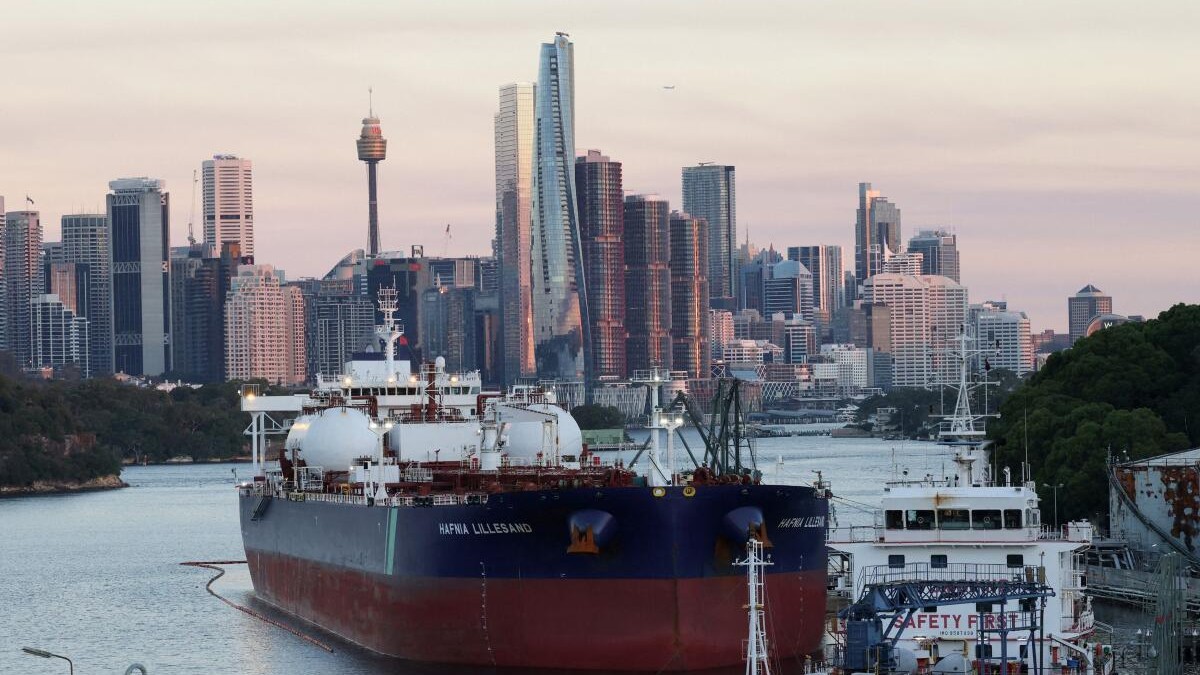
Global Economy Hit by $50 Billion Oil Loss as Iran Conflict Disrupts Energy Supply
The ongoing Iran-related conflict, now approaching its 50th day, has caused a massive disruption in global energy markets, resulting in an estimated $50 billion loss in crude oil production. Experts warn that the economic impact of this crisis could continue for months, or even years.
Despite recent signs of de-escalation such as Iran reopening the Strait of Hormuz and statements from Donald Trump expressing optimism about a possible resolution the damage to global oil supply remains severe.
Massive Supply Disruption Shakes Global Markets
According to market data and analyst estimates, over 500 million barrels of crude oil and condensate have been removed from global supply since the conflict began in late February. This marks one of the largest energy supply disruptions in modern history.
To understand the scale:
- It equals 10 weeks of global jet fuel demand
- Around 11 days of total global vehicle fuel consumption
- Nearly one month of oil demand in the United States
- More than a month of energy demand across Europe
This volume could even sustain the U.S. military for years or power global shipping for several months.
Gulf Production Collapse and Export Decline
During March, oil-producing Gulf nations experienced a sharp decline in output, losing nearly 8 million barrels per day a figure comparable to the combined production of major oil giants like ExxonMobil and Chevron.
Exports of jet fuel from countries such as Saudi Arabia, Qatar, and United Arab Emirates also dropped sharply from 19.6 million barrels in February to just 4.1 million barrels in March and April.
Economic Impact and Long-Term Recovery
With global oil prices hovering around $100 per barrel during the crisis, analysts estimate the total financial loss to be approximately $50 billion. This is equivalent to about 1% of the GDP of Germany, or roughly the entire economic output of smaller nations like Latvia and Estonia.
Although shipping routes have reopened, recovery will not be immediate. Global oil reserves dropped significantly in April, and it could take 4–5 months for production in countries like Kuwait and Iraq to stabilize.
Additionally, damage to key infrastructure such as Qatar’s Ras Laffan LNG complex suggests that full restoration of regional energy systems could take years.
While diplomatic efforts and ceasefire agreements may reduce immediate tensions, the global energy sector is still dealing with the aftermath of a historic disruption. The Iran conflict has exposed the vulnerability of global oil supply chains, raising concerns about long-term economic stability and energy security worldwide.
React to this post
Related Articles