
Related Articles


Everest Base Camp Trek: A Life Changing Himalayan Journey In Nepal
Standing at the Foot of the World’s Highest Mountain
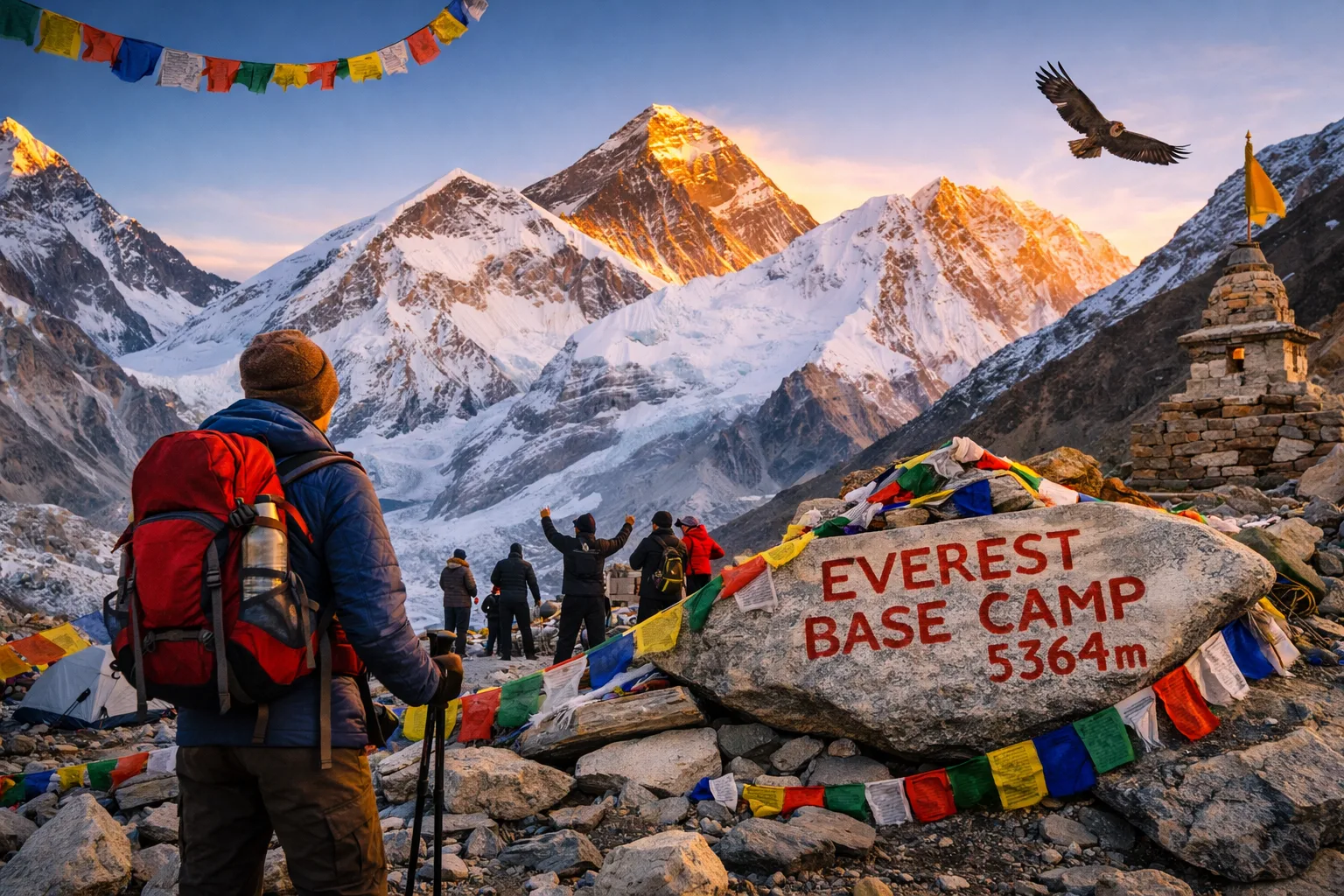
Imagine waking up in the heart of the Himalayas. Snow covered peaks glow in the early morning sun. Prayer flags move gently in the cold mountain wind. And in front of you stands Mount Everest, the tallest mountain on Earth.
This is not just a dream. It is the reality of the Everest Base Camp Trek in Nepal, one of the most iconic trekking adventures for both national and international travelers. Every year, thousands of trekkers from Nepal and around the world walk this legendary trail. Some come for adventure. Some come to challenge themselves. Others come to experience Himalayan culture. But everyone leaves with memories that last a lifetime.
If you are planning your Everest Base Camp Trek, this complete and easy guide will help you understand everything from preparation and route to food, safety, and cultural respect.
Why the Everest Base Camp Trek Is So Special
1. It Is More Than a Trek | It Is a Personal Journey
The Everest Base Camp Trek in Nepal is not about reaching a destination quickly. It is about walking slowly, breathing deeply, and discovering your inner strength.
You will walk 5–7 hours a day for nearly two weeks. Some days are easy. Some days are physically demanding. But each step takes you closer to a powerful achievement standing at Everest Base Camp (5,364m).
For many national and international trekkers, this journey becomes a turning point in life.
2. The Scenery Feels Unreal
The Everest region is located inside Sagarmatha National Park, a UNESCO World Heritage Site.
During the trek, you will see:
-
Mount Everest (8,848m)
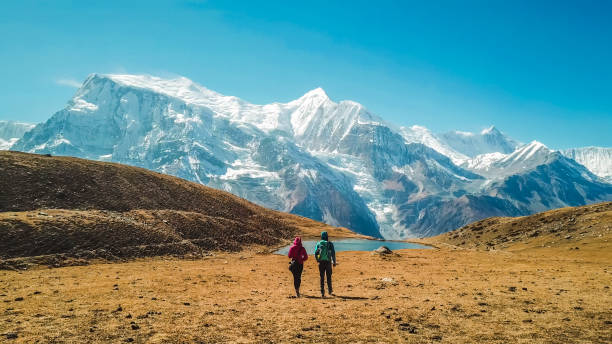
The landscape changes every day. You start in green forests, cross rivers and suspension bridges, then slowly enter a dramatic high-altitude world of ice, rock, and giant peaks.
Sunrise from Kala Patthar is considered one of the best mountain views in the world.
3. Experience Sherpa Culture & Himalayan Lifestyle
The Everest region is home to the Sherpa community famous for mountaineering and warm hospitality.
Along the trail, you will stay in small villages like Namche Bazaar and Tengboche. You will visit monasteries, spin prayer wheels, and hear Buddhist chants echo in the mountains.
Trekkers often say that the cultural experience is just as powerful as the mountain views.
Best Time to Do the Everest Base Camp Trek
Weather in the Himalayas changes quickly, so choosing the right season matters.
Spring (March–May)
-
Clear skies
-
Blooming rhododendron forests
-
Moderate temperatures
-
Popular among international trekkers
Autumn (September–November)
-
Best mountain visibility
-
Fresh air after monsoon
-
Most stable weather
These two seasons are best for both national and international travelers.
Winter is colder but quieter. Monsoon brings heavy rain and cloudy skies, so it is not recommended.
How Difficult Is the Everest Base Camp Trek in Nepal?
Many people ask: “Is Everest Base Camp Trek very hard?”
The answer: It is challenging, but possible.
You do not need climbing skills. You do not need to be an athlete. But you do need:
-
Basic physical fitness
-
Mental strength
-
Proper acclimatization
-
Good preparation
The biggest challenge is altitude, not distance.
Altitude & Acclimatization: What You Must Know
As you climb higher, oxygen levels decrease. This can cause Acute Mountain Sickness (AMS).
Common symptoms:
-
Headache
-
Dizziness
-
Nausea
-
Loss of appetite
To stay safe:
-
Walk slowly
-
Drink plenty of water
-
Take rest days
-
Listen to your body
Good itinerary planning reduces risk significantly.
What Does a Typical Trek Route Look Like?
Your adventure usually begins with a flight from Kathmandu to Lukla.
From there, the route passes through:
-
Phakding
-
Namche Bazaar (acclimatization stop)
-
Tengboche
-
Dingboche
-
Lobuche
-
Gorak Shep
-
Everest Base Camp
The total journey takes around 12–14 days, including rest days.
Accommodation & Food on the Trail
Teahouses
Most trekkers stay in simple teahouses. Rooms are basic but comfortable. Dining halls are warm and social, where trekkers from around the world share stories.
Food
The most popular meal is Dal Bhat (rice, lentils, vegetables). It gives long-lasting energy.
Other options:
-
Noodles
-
Pasta
-
Soup
-
Pancakes
-
Tea and coffee
Food becomes more expensive at higher altitude because everything is carried by porters or yaks.
Do You Need a Guide?
For international trekkers, hiring a licensed guide is highly recommended.
Benefits:
-
Safety support
-
Cultural explanation
-
Easier logistics
-
Help in emergencies
National trekkers with experience may choose independent trekking, but planning is important.
Responsible Trekking in the Everest Region
The Himalayas are beautiful but fragile.
Follow these simple rules:
-
Carry reusable water bottles
-
Avoid plastic waste
-
Respect local culture
-
Stay on marked trails
You need:
-
TIMS Card
-
Sagarmatha National Park Permit
These permits are mandatory for all trekkers.
Why This Trek Attracts National & International Travelers
The Everest Base Camp Trek represents:
-
Adventure
-
Culture
-
Natural beauty
-
Personal growth
-
Global connection
People from different countries walk the same trail. Friendships are formed in mountain lodges. Stories are shared under starry Himalayan skies.
It is not just a Nepal trek, it is a global experience.
Final Thoughts: Is Everest Base Camp Worth It?
Yes. Completely.
The Everest Base Camp Trek in Nepal is not simply about standing near Mount Everest. It is about discovering your strength, connecting with nature, and experiencing one of the most powerful landscapes on Earth. Whether you are a national traveler exploring your own country or an international visitor chasing adventure, this journey will change you.
Everest Base Camp Trek: More Than Just a View
The Everest Base Camp Trek in Nepal is not simply about standing near Mount Everest. It’s about discovering your inner strength, connecting deeply with nature, and experiencing one of the most powerful landscapes on Earth. Whether you are a national traveler exploring your own country or an international adventurer chasing a dream, this journey will change you forever.
Published on NepInsights - your Gateway to Nepal’s adventures and insights.
React to this post
Related Articles