Related Articles





Nepal Introduces First Legal Framework for Ride-Sharing Services to Ensure Safety and Transparency
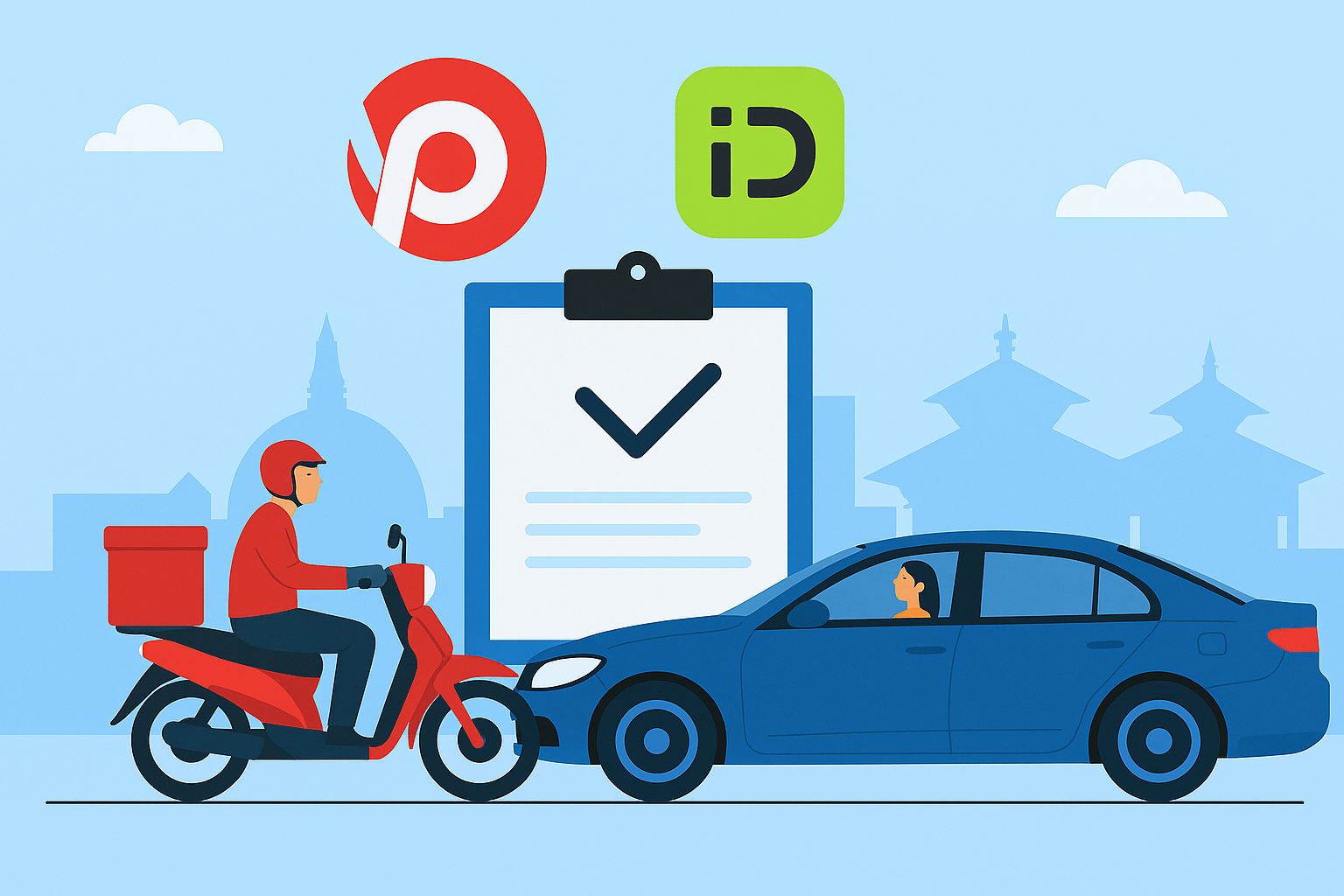
In a major step toward regulating the digital transport sector, the Government of Nepal has introduced its first comprehensive legal framework for ride-sharing services.
The Ministry of Physical Infrastructure and Transport has published a draft titled “Digital Mobility Service Operation Standards, 2082”, aiming to organize and formalize app-based transport services like Pathao and inDrive.
Why This Framework Matters
For years, ride-sharing in Nepal operated in a legal gray area. This new framework aims to:
- Bring legal clarity and structure to the sector
- Ensure passenger safety and service reliability
- Support entrepreneurship and economic growth
- Implement directives from the Supreme Court
The ministry has invited feedback from stakeholders and the public within 7 days before finalizing the regulation.
New Fare Structure and Pricing Rules
The proposed standards define clear pricing limits:
- Two-wheelers: Maximum NPR 25 per km
- Four-wheelers: Maximum NPR 55 per km
- Minimum fare: Equal to 2 km distance, even for short trips
Additionally:
- Up to 20% extra charges allowed during night, bad weather, or waiting time
- Companies can take a maximum 10% commission, ensuring 90% goes to drivers
Mandatory Registration and Government Integration
All ride-sharing companies must:
- Register with the Department of Transport Management
- Obtain an official operating permit
- Host apps on Nepali servers
- Integrate systems with the government via API connection
Vehicles will now be officially categorized as public transport, with “Digital Mobility Service” mentioned in their Bluebook.
QR Code System for Safety and Monitoring
A key highlight is the introduction of a mandatory QR code system:
- Each vehicle must display a QR sticker
- Contains driver details, vehicle info, permit number, and insurance status
- Accessible only to passengers, traffic police, and authorities
The QR code will:
- Improve passenger safety
- Enable instant verification
- Strengthen government monitoring
Validity: 1 year (renewal required annually)
Safety Features and Emergency Systems
To enhance user protection, apps must include:
- SOS emergency button (alerts company + nearest police station)
- 24/7 grievance and rescue system
- Option for female passengers to choose female drivers
Vehicle Standards and Requirements
Strict safety and quality rules are proposed:
Two-Wheelers
- Helmet mandatory for both rider and passenger
- Reflective jacket required at night
- Maximum age: 15 years
Four-Wheelers
- Must include:
- Dashcam
- First-aid kit
- Fire extinguisher
- Central locking system
- Boot space: Minimum 200 liters
- Maximum age: 15 years
Electric Vehicles
- Two-wheelers: Minimum 1.5 kW power, speed above 40 km/h
- Four-wheelers: Minimum 40 kW motor power
- Annual battery and safety inspection required
Driver Eligibility and Working Rules
The government has set clear conditions for drivers:
- Minimum age: 18 years
- Must hold a license for at least 1 year
- Maximum working time: 12 hours per day
Training requirements:
- 3-day initial training
- Refresher training every 4 months
Drivers violating rules or misbehaving will be digitally blocked immediately.
Insurance and Accident Fund
A new Accident Fund is proposed:
- 1% of each ride fare will be deposited
- Compensation includes:
- Up to NPR 1,000,000 (death or permanent disability)
- Up to NPR 100,000 (injury treatment)
Additionally, all drivers must be enrolled in the Social Security Fund.
Central Monitoring System
The Department of Transport Management will:
- Develop a central digital system
- Monitor apps, fares, and complaints
- Provide user access for transparency
All service providers must ensure their platforms allow real-time tracking and regulation.
Fair Labor and Transparency Rules
The draft ensures:
- Fair agreements between companies, drivers, and vehicle owners
- Compliance with the Labor Act, 2074
- Minimum wage guarantees where applicable
- Extra pay for overtime work
This aims to protect both driver rights and passenger fairness.
Nepal’s first legal framework for ride-sharing marks a transformative step toward a safe, transparent, and well-regulated transport system. Once implemented, these rules are expected to benefit passengers, drivers, and service providers while strengthening trust in digital mobility services.
React to this post
Related Articles