Related Articles




Iranian Newspapers React with “Victory Narrative” After US-Iran Agreement
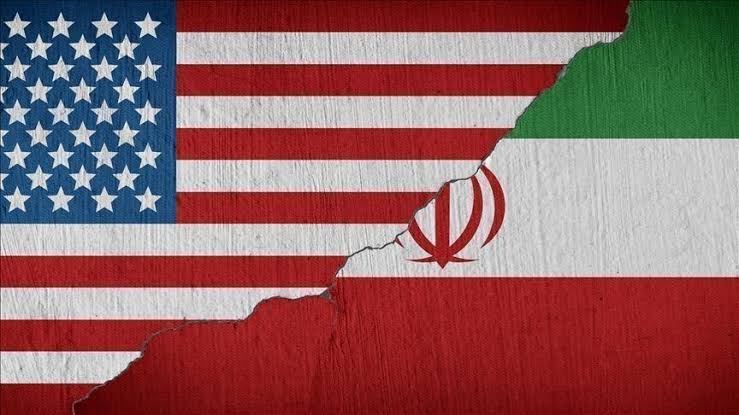
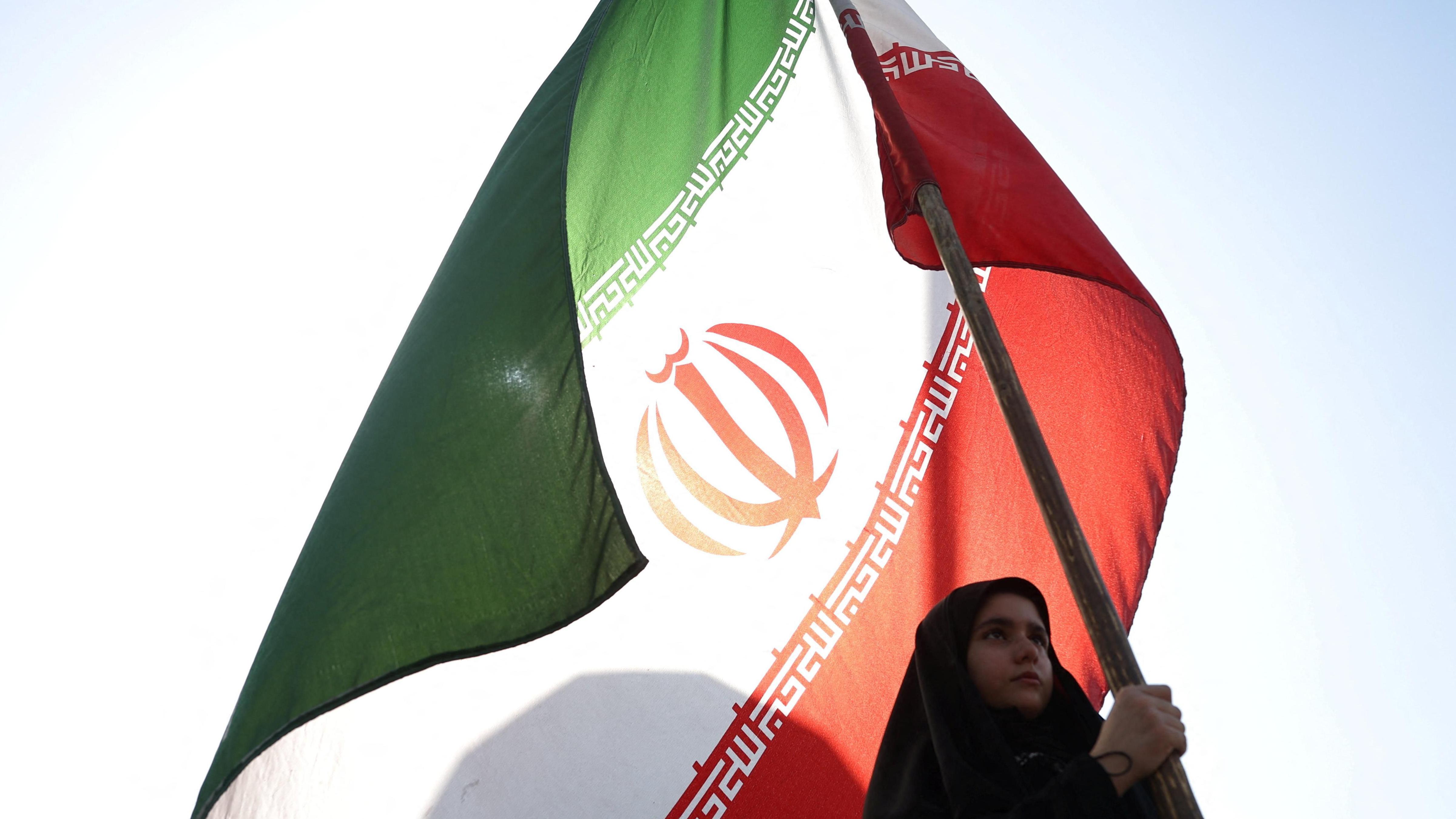
Following the signing of a Memorandum of Understanding (MoU) between the United States and Iran aimed at reducing tensions and opening diplomatic negotiations, Iranian newspapers have responded with bold and celebratory headlines, framing the development as a political and strategic success for Tehran.
The agreement, which sets the stage for future talks on Iran’s nuclear program, sanctions relief, and regional stability, has been widely interpreted within Iran through a lens of national strength and diplomatic advantage.
Strong Headlines from Major Iranian Publications
Several prominent Iranian newspapers took a confident tone in their coverage of the agreement, emphasizing what they described as the failure of US pressure strategies and the resilience of Iran’s political position.
The daily newspaper Javane, which is considered close to the Islamic Revolutionary Guard Corps (IRGC), led with a headline describing the outcome as a “glorious defeat” for the United States. The publication argued that despite initial objectives set by Washington and its allies, Iran emerged from the confrontation in a stronger position than expected.
In a similarly striking visual message, the state-backed newspaper Hamshahri featured an image of US President Donald Trump appearing to tear paper on its front page. Its headline, “Flew away with the wind,” used a Persian idiom suggesting that an effort or plan has completely failed or been rendered meaningless.
The conservative newspaper Kayhan adopted a more hardline tone, focusing on strategic messaging. Its coverage emphasized Iran’s geopolitical leverage and highlighted control over critical regional chokepoints, framing national defense and resistance as non-negotiable pillars of Iran’s foreign policy approach.
Meanwhile, the newspaper Sajadegi shifted attention toward economic implications of the agreement. Its front page prominently featured the number “300,” referencing a proposed $300 billion reconstruction and investment fund tied to the broader agreement. The paper highlighted potential economic recovery and international investment opportunities as key outcomes of the diplomatic shift.
Media Framing and Political Messaging
The contrasting tones across Iranian newspapers reflect the broader media landscape within the country, where political alignment often shapes interpretation of international events.
While some outlets focused on geopolitical symbolism and perceived strategic gains, others emphasized economic opportunities and reconstruction prospects. Together, the coverage illustrates how the agreement is being framed domestically not just as a diplomatic development, but as a narrative of national resilience and influence.
The portrayal of the US as politically weakened or strategically challenged was a recurring theme across several publications, reinforcing long-standing narratives within segments of Iranian media.
Broader Context of the US-Iran Agreement
The MoU signed between the two nations establishes a framework for future negotiations over a 60-day period. Discussions are expected to focus on Iran’s nuclear program, sanctions relief mechanisms, and regional security arrangements.
While both sides have expressed willingness to continue diplomatic engagement, officials have also noted that significant disagreements remain unresolved, particularly regarding military capabilities and long-term enforcement mechanisms.
Despite these complexities, the agreement has already triggered strong reactions across political and media circles, particularly in Iran, where the domestic narrative has leaned heavily toward portraying the development as a diplomatic success.
Looking Ahead
As negotiations move forward, media narratives in both countries are expected to continue shaping public perception of the agreement. In Iran, the current tone suggests an emphasis on sovereignty, resistance, and economic opportunity, while international observers remain cautious about the durability of the diplomatic process.
For now, Iranian newspapers have collectively framed the agreement as a moment of strategic validation, signaling confidence in Tehran’s negotiating position as talks with Washington continue in the coming weeks.
React to this post
Related Articles