
Related Articles



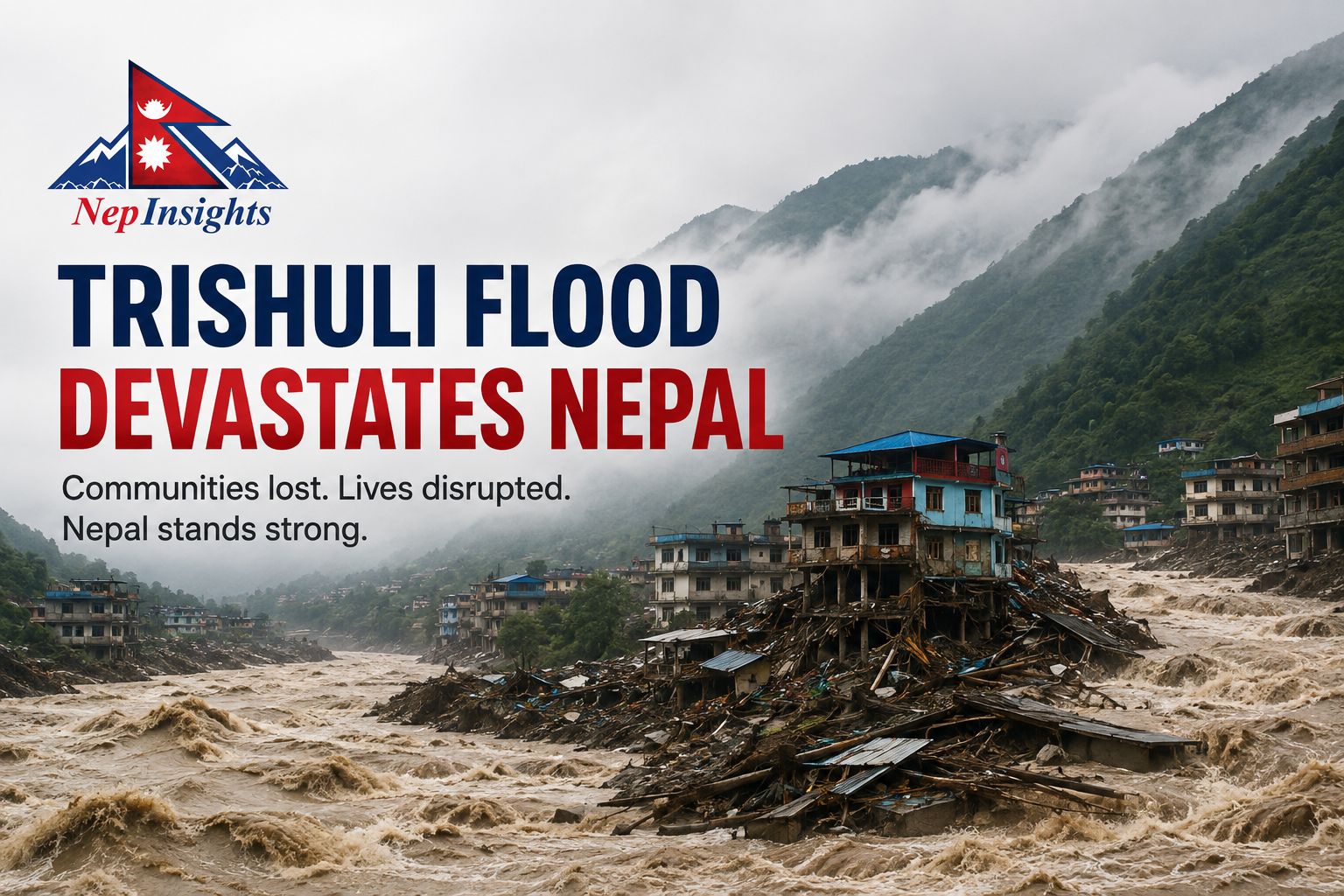

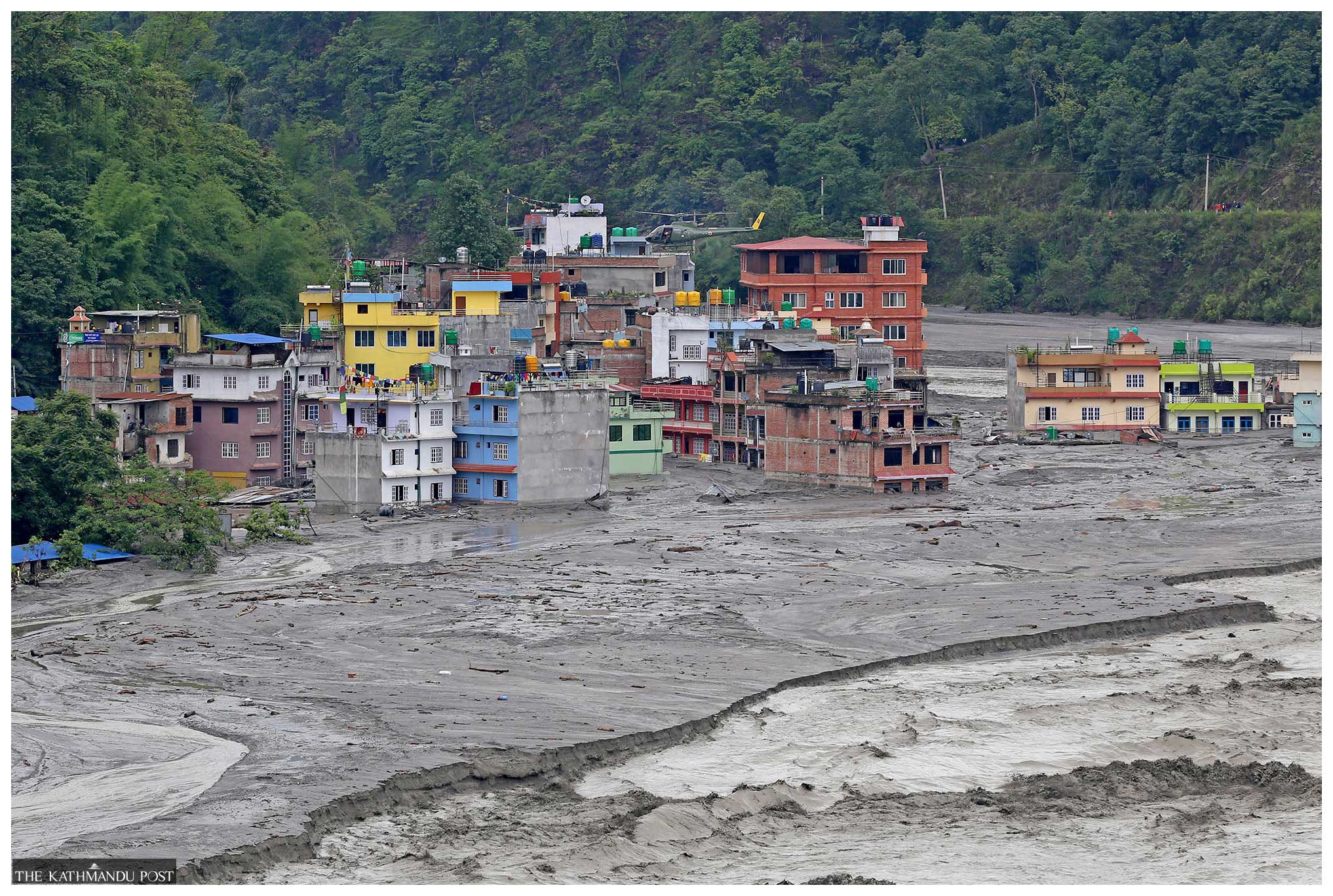
Devastating Flood Causes Widespread Damage Across Multiple Districts of Nepal
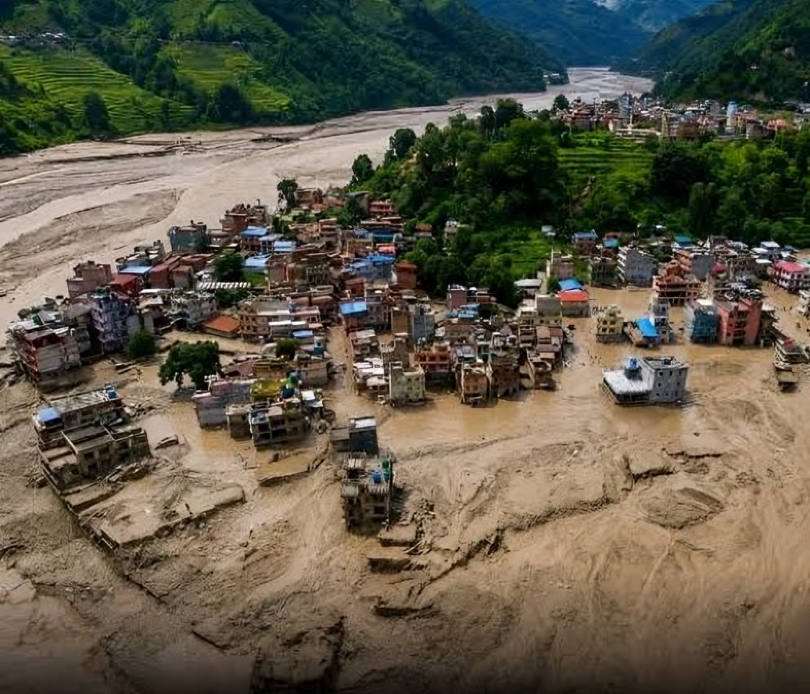
A devastating flood originating from the Bhote Koshi River in Rasuwa has caused widespread loss of life and property across several districts of Nepal. The unprecedented disaster has affected communities, infrastructure and essential services from Rasuwa to Nawalparasi, leaving the country in mourning.
The full extent of the damage is yet to be determined as authorities continue collecting information from affected areas.
Flood Causes Loss of Lives and Missing Persons
The sudden and destructive flooding has reportedly claimed the lives of several people, while many others remain missing.
Among those affected are pilgrims traveling toward Mansarovar, tourists, security personnel and residents living along river corridors.
Search and rescue teams are continuing their efforts to locate missing people and assist those stranded by the disaster.
Roads, Bridges and Hydropower Projects Damaged
The flood has caused significant damage to critical infrastructure in several districts.
Roads, bridges, hydropower projects, schools and other public structures have been affected by the powerful flow of water. The damage has disrupted transportation, communication and essential services in multiple locations.
Affected areas include Rasuwa, Nuwakot, Dhading, Gorkha, Chitwan, Tanahun and Nawalparasi, with authorities continuing to assess the situation.
Officials have warned that the final damage assessment could be considerably higher as reports from remote and severely affected areas continue to arrive.
Government Declares Flood-Affected Areas Disaster Zones
The Council of Ministers has decided to declare the flood-affected areas as disaster-stricken areas for a period of three months.
The government has announced measures focused on immediate rescue, treatment and relief, including:
- Free medical treatment for people injured in the disaster
- Immediate search and rescue operations
- Relocation of affected people to safer areas
- Food and shelter for families who have lost their homes
- Mobilization of government agencies for relief and rehabilitation
The priority now is to protect lives, reach isolated communities and provide essential assistance to people affected by the floods.
Political Parties Called to Unite During the Crisis
The scale of the disaster has prompted political parties to hold emergency meetings and participate in relief and rescue efforts.
During such a national crisis, political leaders and parties have been urged to rise above political differences and work together for the safety of citizens.
The government, political parties and public representatives have a responsibility to act as guardians of the people during a national emergency. Coordinated efforts between ruling and opposition parties could help speed up rescue, relief and rehabilitation.
Nepal has previously witnessed political cooperation during major disasters, including the 2015 earthquake. Similar cooperation and commitment are needed during the current crisis.
Local Governments Have a Critical Role
Local governments are among the first authorities reached by people during natural disasters. Their role will therefore be particularly important in the coming days.
Local authorities should activate emergency response mechanisms, mobilize available resources and prioritize the rescue of people in high-risk areas.
A transparent and coordinated single-window relief system could also help prevent duplication, confusion and mismanagement in the distribution of relief materials.
Media and Social Media Users Urged to Act Responsibly
The role of the media becomes even more important during a disaster.
Accurate and timely information can help people identify risks, locate emergency services and avoid dangerous areas. On the other hand, unverified or misleading information can create panic and make rescue operations more difficult.
Social media users also have a responsibility to verify information before sharing it. Content should focus on public safety, verified updates, emergency information and assistance for affected communities, rather than simply chasing views and engagement.
Responsible communication can help reduce panic, support rescue efforts and provide useful information to people facing the disaster.
Nepal Needs a Unified Response
The devastating floods have created a humanitarian emergency requiring coordinated action from the federal government, provincial governments, local authorities, security agencies, political parties, civil society and citizens.
The immediate focus must remain on saving lives, locating missing people, providing medical treatment and ensuring food and shelter for affected families. Once the emergency phase is managed, long-term rehabilitation and reconstruction will also be essential.
The scale of the destruction is a reminder of Nepal's vulnerability to extreme weather and natural disasters. Stronger disaster preparedness, early-warning systems and resilient infrastructure will be essential to reduce the impact of similar events in the future.
NepInsights Expresses Condolences
The NepInsights family extends its deepest condolences to everyone who has lost their lives in this devastating disaster.
We wish a speedy recovery to those injured and strength and patience to the families who have lost their loved ones.
At this difficult time, Nepal needs solidarity, responsible action and collective strength. Every effort should be directed toward saving lives, supporting affected communities and helping the country recover from this tragedy.
React to this post
Related Articles