
Related Articles



Visit Nepal 2085 - Rediscovering the Soul of the Himalayas
Visit Nepal 2085: Rediscovering the Soul of the Himalayas
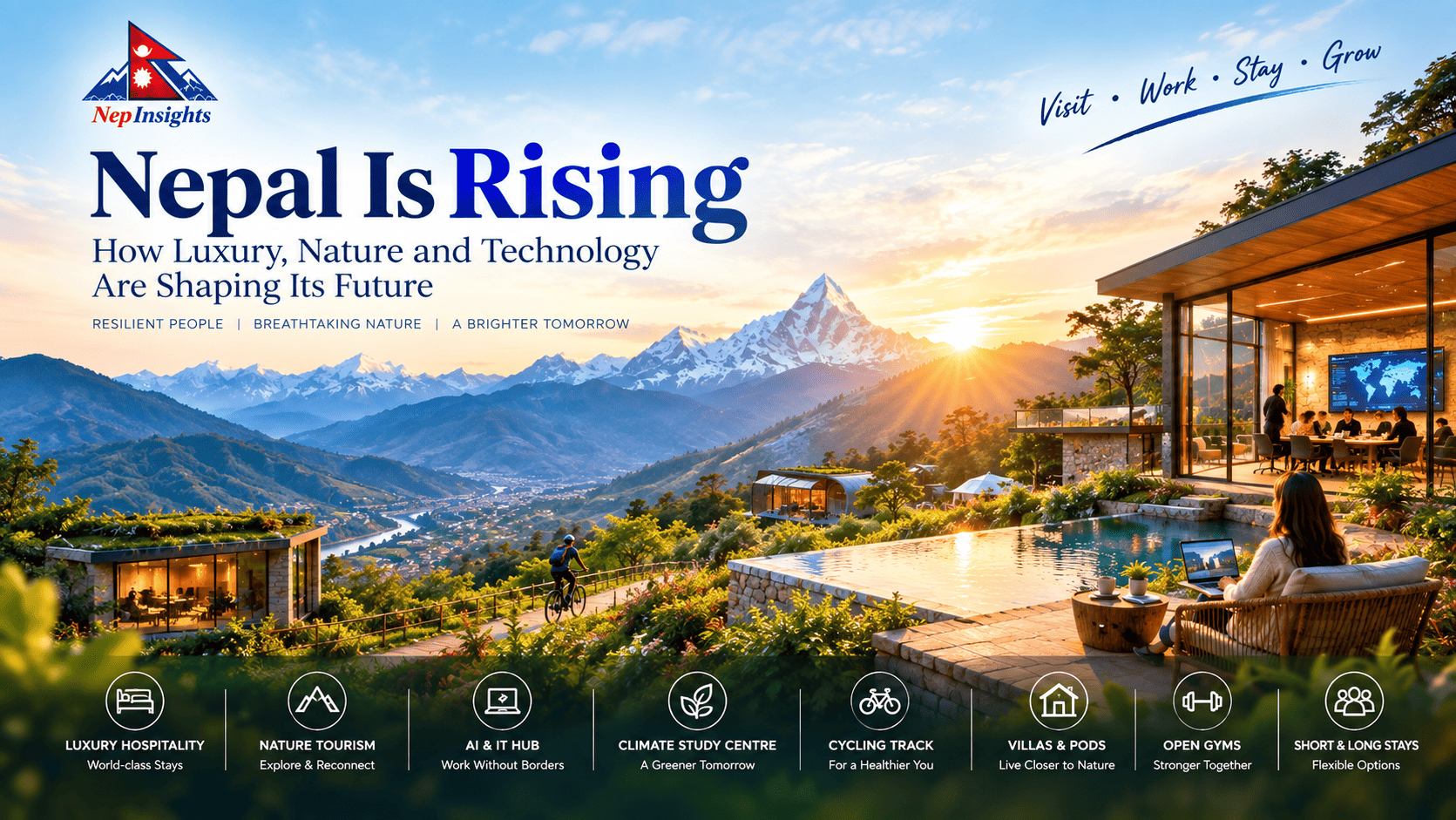
Nepal is always more than just a destination - it’s an experience and an adventure - a visit that changes lives and touches hearts. Nepal - a country of snow-capped mountains, ancient temples, rich cultural heritage and everything from wildlife reserves to a harmonious blend of traditions and nature - finds itself nestled between two giant neighbors - India and China. As Nepal prepares to welcome the global tourism community to celebrate and experience the country through the Visit Nepal 2085 campaign, the country offers a wide range of opportunities to engage with its deep spiritual and adventurous culture, pristine landscapes and diverse and welcoming communities.
Visit Nepal 2085 isn’t just about promoting tourism but does so with the spirit and resilience of the Nepalese nation and its commitment to responsible and sustainable development - positioning the nation as a premier regional tourist destination focused upon cultural heritage and environmental conservation. TheVisit Nepal 2085 campaign seeks to discover and immerse travelers in the authentic land of adventure and spirituality - creating lasting memories within the breathtaking Himalayas.
Visit Nepal 2085 creates opportunities for visitors to have a unique and unforgettable Nepali adventure. Whether traveling for a lifetime Himalayan quest, visiting Nepal’s ancient monasteries and temples, exploring medieval kingdoms, connecting with local communities, or tasting traditional cuisine, there will be something unique to experience in Nepal.
This article will discuss the reasons why you should add Nepal to your bucket list and how the Visit Nepal 2085 campaign will change your perspective on sustainable and responsible tourism and share valuable information about the adventure and culture of Nepal while promoting the Visit Nepal 2085 campaign.
The Vision Behind Visit Nepal 2085
One of the major sources of revenue of Nepal is tourism – the stunning mountains, national parks and reserves, world heritage sites and cultural diversity of the nation all naturally draw in tourists. The strategy behind Visit Nepal 2085 focusses upon value over volume in enhancing the travel experience for tourists – promoting sustainable development through responsible tourism practices. Some of the ways in which the campaign intends to achieve these goals include:
- Promotion of eco-travel.
- Building the regional economy.
- Preservation of the region’s natural and cultural heritage.
- Enhancement of tourism-related service.
- Encouraging community-based tourism.
- Promotion of lesser-known but worthwhile destinations.
- Improvement of online tourism services.
- Creating inspiration for domestic and international tourists.
Visit Nepal 2085 is about delivering greater value to tourists and destination communities than just numbers.
Nepal: A Land of Extraordinary Diversity
Nepal may be a small-sized country having an area of only 147,516 square kilometers, but it is rich in its varied landscape. One of the most fascinating characteristics of Nepal is its dramatic variation in landscapes within a short distance. In a single day, it is possible to go from the ice-cold Himalayas to the warm tropical forests and fields in the southern lowlands.
This variation in natural landscape makes Nepal one of the most biodiverse countries on Earth. The country’s landscape generally falls under three broad categories:
These are:
- The Himalayan Area
The Himalayan region is undoubtedly the most famous and visited attraction in Nepal. People from all corners of the world come to witness the natural beauty of the snow-draped mountains, glittering lakes, and valleys of great historical significance. The Himalayas present a sensational experience for all types of visitors, be it an adventurer or a nature lover. A Himalayan view is something that a visitor would cherish for life.
- The Hilly Area
The hilly region is where the most historical and beautiful cities in Nepal are found. The charming and historic cities of Kathmandu, Pokhara, Bandipur, and Gorkha have attracted many visitors for ages. The rich cultural heritage of these places merges with the scenic hills to provide a unique mountain experience for every visitor. These beautiful valleys provide the perfect blend of nature and culture, making the area ideal for travelers seeking a traditional yet comfortable mountain experience.
- The Terai Area
The Terai region is a beautiful land of fertile plains, mangroves, and dense sal forests. It is the most populous region in Nepal and comprises urban as well as rural areas. The region is also known to possess the country’s nesting grounds for many endangered and rare wildlife species.
A must-visit destination in the Terai region is the Chitwan National Park . Here, visitors get an opportunity to explore the dense woods and spot wildlife, including the one-horned rhinoceros, Bengal tigers, and leopards. This region is a paradise for nature lovers and should not be missed by any wildlife enthusiast.
Adventure Tourism: The Adventure Sports Activities of Nepal
From the lofty Everest to the fast-flowing rivers and clear skies, Nepal has always been an epicenter for adventure sports activities.
A Paradise for Trekkers
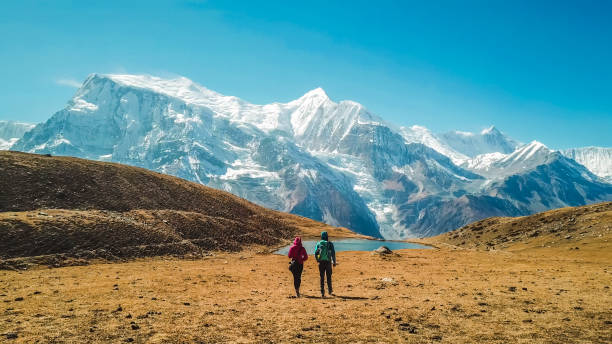
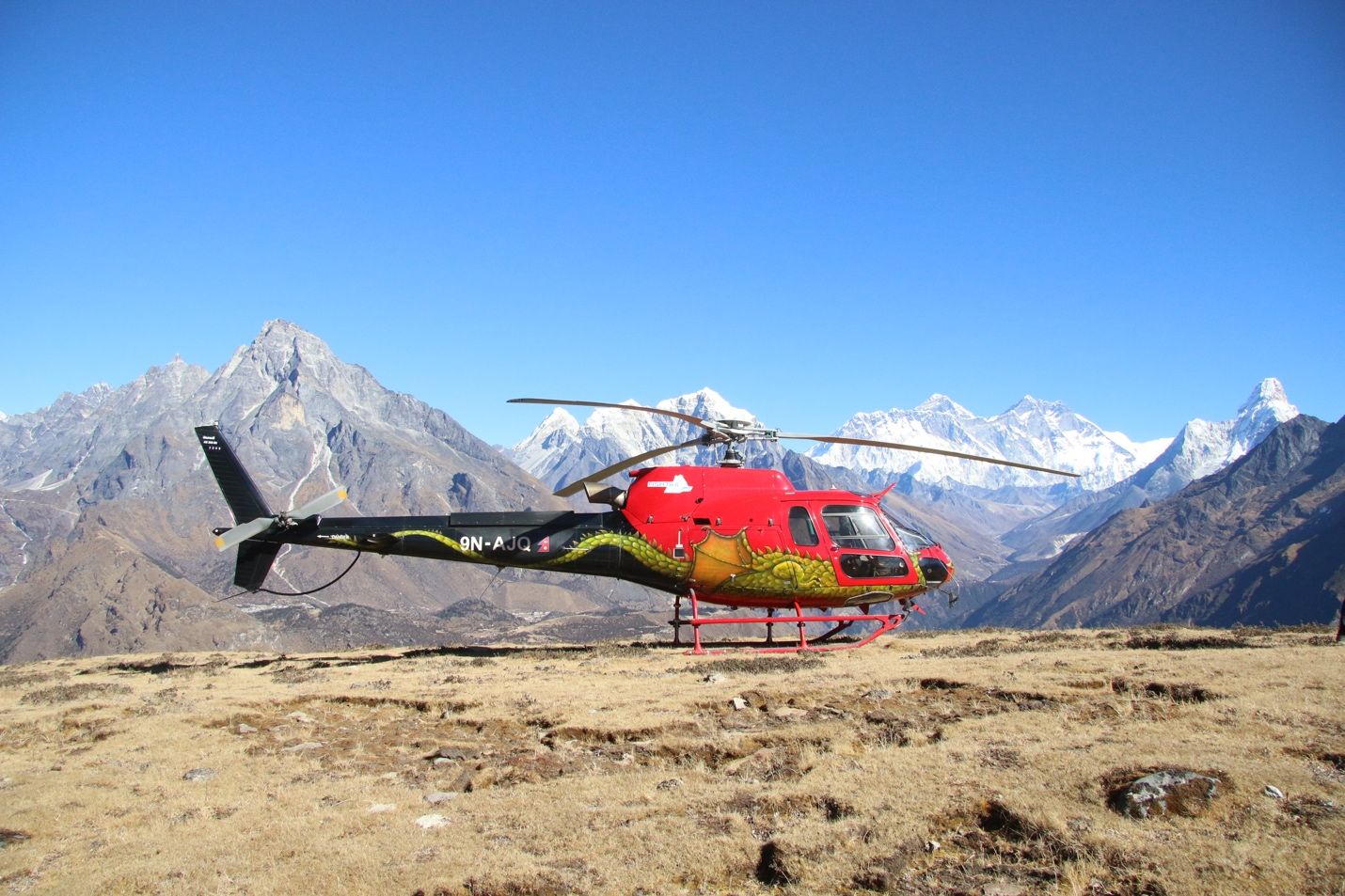
The trekking trails in Nepal are among the most challenging and rewarding in the world. The country sees thousands of domestic and international visitors every year, all willing to test their skills against the formidable Himalayan trails. The trails lead from forests, over rivers, through mountain villages, suspension bridges, and ancient monasteries to the cool mountainous desert and the mighty Himalayan glaciers. Famous trails include Everest, Annapurna Circuit, Langtang Valley trek, Manaslu Circuit, Upper Mustang Trek, Kanchenjunga trail, etc.
The government of Nepal promotes adventure tourism through the Visit Nepal 2085 campaign, which emphasizes lesser-trodden trails, offering unique trekking experiences that also help conserve the fragile Himalayan ecosystem while providing alternative income sources for the local people.
Mountaineering Superiority
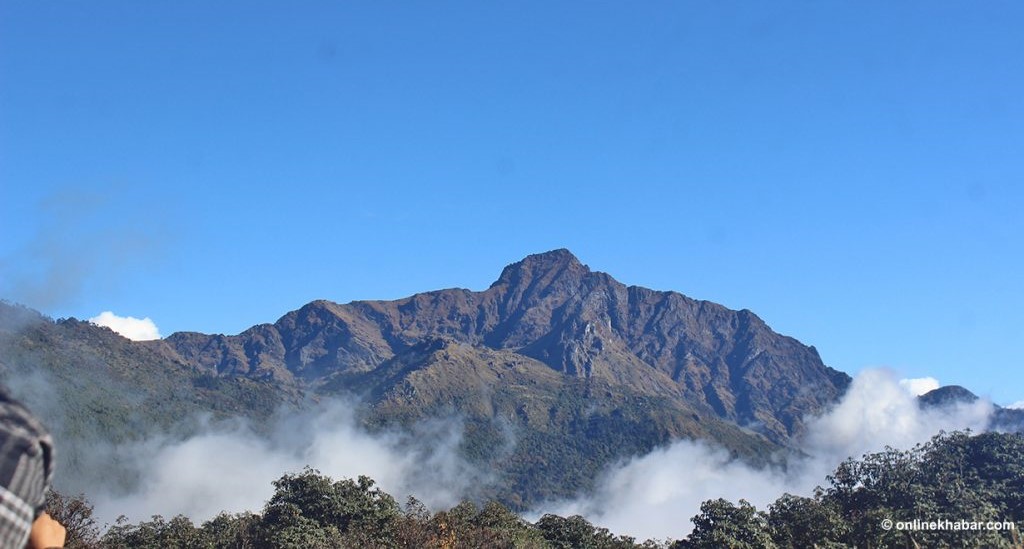
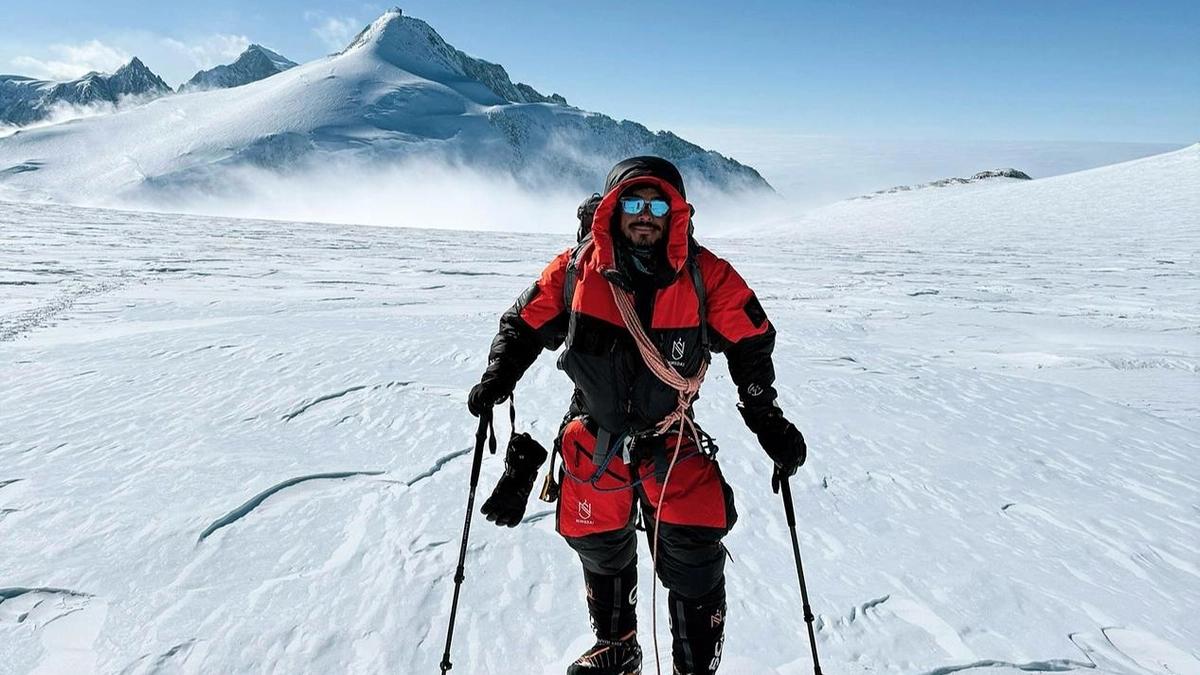
Nepal is home to Mount Everest, the highest mountain on Earth, standing at 8,848.86 meters. But Everest is only one part of Nepal's mountaineering legacy. Peaks such as Lhotse, Annapurna, Cho Oyu, Makalu, Manaslu, and Dhaulagiri attract climbers from around the world, each offering its own level of difficulty and breathtaking scenery.
Whether someone is an experienced mountaineer or simply inspired by the world's highest peaks, Nepal remains one of the greatest destinations for mountain adventures.
Sky Adventures and Paragliding
For those who enjoy adventure sports from a bird’s eye view, Nepal offers a fantastic sky adventure experience. The paragliding activity in Pokhara enables participants to enjoy the amazing view of the Phewa Lake as they float above it. Additionally, paragliders also get a magnificent view of the snow-capped mountains. Other exciting activities that Nepal offers include ultralight flying, ziplining, hot air ballooning, bungee jumping, and skydiving over Everest.
Cultural Heritage: Living History
Nepal possesses a rich cultural heritage that encompasses its wonderful artistic expressions, beautiful music and dance, diverse traditional festivals, and unique local beliefs. It is a country of diverse ethnic groups and languages. There are more than 125 ethnic groups and over 120 languages in Nepal. The locals are very hospitable and welcome visitors with traditional enthusiasm, making them feel right at home.
Kathmandu Valley
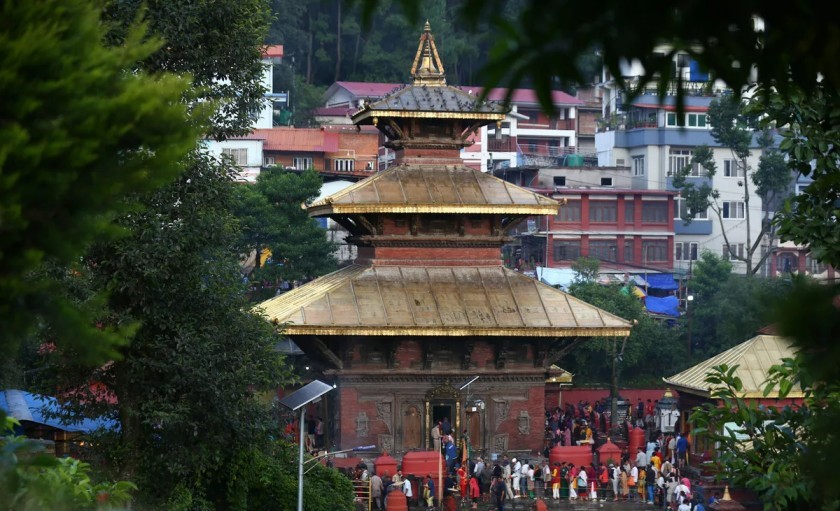
Kathmandu valley is the heart and soul of Nepalese culture. The valley is a UNESCO World Heritage site and an ancient capital of Nepal. It has several temples, palaces, and stupas and displays marvelous artifacts with outstanding traditional Newari architecture. It is a living museum with rich history and heritage found in its temples, monasteries, unique courtyard structures, and fascinating markets that have attracted locals and foreigners for centuries.
Lumbini: Lord Buddha's birthplace
Lumbini, the land of Lord Buddha, is one of the most visited destinations in Nepal by both local and international tourists. Thousands of devotees and visitors gather in this holy land to seek spiritual peace and witness its splendid beauty. This region provides an amazing opportunity to witness a wide range of religious practices and rituals performed by various monasteries found there. The region has numerous ancient ruins and holy sites, including Ashoka gardens and stone carvings, located within the sacred Bodhi Tree.
Due to its historical significance and spiritualism, the Lumbini region is a prominent center for global peace and tourism activities. It hosts a large number of Buddhist monks from across the world, as well as meditation centers, and promotes spiritualism, peace, and tolerance. The significance of Lord Buddha’s birthplace is immense as it contains the rich cultural heritage of Nepal that needs to be preserved. Thus, the government of Nepal is promoting Lumbini through the Visit Nepal 2085 campaign, which is working to position Nepal as a preferred global tourism destination.
Festivals that Unite Communities
Nepal is a land of festivals. Each community has its own festival that it celebrates with unique cultural activities all the year round. Some of the festivals that people participate in include:
- Dashain
- Tihar
- Holi
- Buddha Jayanti
- Indra Jatra
- Chhath
- Losar
- Maghe Sankranti
- Teej
- Gai Jatra
During the celebration of these festivals people come together to engage in activities such as music and dance, and other religious activities. They also get an opportunity to share and enjoy different foods. This is how people can learn about other festivals and their cultural activities.
Sustainable Tourism: The Future of Nepal
Sustainability is central to the campaign of Visit Nepal 2085 as the modern tourist is increasingly seeking destinations that not only offer a wide range of activities but also contribute to community development and conservation.
Some of the initiatives in this regard include;
- Plastic free campaigns
- Community homestay
- Eco-trekking
- Harnessing renewable energy in mountainous regions
- Waste management
- Conservation of wildlife and cultural values
- Wildlife and cultural preservation.
- Responsible trekking guidelines.
While discovering the nation’s beauty and return home with valuable experiences, the visitor leaves behind only footprints.
Community-Based Tourism
The rich Nepalese community is one of the country’s most valuable assets. With community-based tourism, the tourists can foster their own interests while contributing to community development.
The tourist can;
- Stay overnight in homestay in the village,
- Experience traditional cooking,
- Participate in agricultural works,
- Celebrate local festival,
- Involve themselves in traditional craft-making,
- Wit indigenous people to hear their folklore,
- And attend cultural shows among other activities.
This kind of tourism offers a different dimension as compared to regular tourism which enhance deeper interaction.
Nepali Cuisine: A Feast for Every Traveler
Nepal’s geographical variation and diverse cultural groups have resulted in an amazing variety of local specialties. Dishes such as;
Dal Bhat
This is a Nepali specialty that consists of curry and pickles, vegetables, rice, and lentil soup. There is a popular saying that states; “Dal Bhat Power, 24 Hour.”
Mo:Mo
These are Nepalese dumplings that are served with hot chutney and can be found in various fillings such as vegetable, chicken, and buffalo.
Roti Sel
This is a traditional rice cake that is homemade especially during celebration days such as Tihar.
Newari Food
Unique Newari food that is rich in spices and cultural heritage is available in the Kathmandu valley.
Himalayan Food
Himalayan specialties are characterized by more substantial dishes such as yak cheese while thukpa butter tea and Tibetan bread are also available. This will be a great Himalayan experience that the tourist can engage in.
Innovation in Digital Tourism
Technology is embraced in tourism promotion as it facilitates easy access to information and provides a wide range of choices. As such, the tourist can anticipate;
- Intelligent travel
- Online permit services
- Digital payments
- Virtual assistance
- Intelligent Packing based on Artificial Intelligence,
- GPS Assisted Trekking,
- And improved communication networks in remote areas among other attributes.
As the campaign seeks to transform the country into a modern destination, technology will be useful in enhancing the overall travel experience without undermining authenticity.
Hidden Gems of Nepal Waiting to Be Discovered
Despite the fame associated with Mount Everest and Pokhara, Nepal has other equally exciting destinations that are waiting to be explored by the tourists. These include; Dolpa, Api Himal, Dhorpatan, Rara Lake, Khaptad National Park, Ilam Tea Gardens, Tansen, Bandipur, Ghandruk, and Phoksundo Lake among others. By creating awareness of these attractions, Nepal is poised to benefit immensely from tourism as the campaign will encourage more tourists to come and explore the country.
Why Students and Young Tourists Should Visit Nepal
Visit Nepal 2085 encourages students to participate in the campaign by providing them with a great opportunity to experience and support Nepal.
Students visiting Nepal can explore;
- Biodiversity,
- Geology,
- Ancient civilizations,
- and learn how to communicate in different cultural settings.
They can also; Volunteer in different community projects, Conduct environmental research, and Partake in the preservation of the nation’s rich cultural heritage.
Such an expedition will be an eye-opener to the student as it will also encourage responsible tourism while promoting sustainable development.
The Economic Importance of Tourism
Tourism has enormous economic value to Nepal as it creates employment opportunities in various sectors such as;
Restaurants, Hotels, and Airlines.
Trekking and other adventure sports.
Handicrafts, Agriculture, Cultural performances.
Conservation activities.
Every tourist who visits Nepal contributes significantly to the country’s economy as they support thousands of Nepalese directly and indirectly. As such, responsible tourism will have a positive effect on the overall national development of the host country.
A Himalaya Journey That Changes Lives
It is always exciting to travel as one gets an opportunity to discover new things and experience various aspects of life. However, some expeditions are more fulfilling than others as they leave a permanent impression on the soul of the traveler. In addition to the excitement of seeing the beautiful Himalayas, the tourist can also appreciate history and the simplicity of the local people. The visitor will also leave with a different perspective on life as he/she contemplates on the stillness of the mountains and the magnificence of the sunrise that illuminates the summit of the world. Not only does Nepal offer spectacular landscapes, but it also provides a chance to reflect on matters of peace, appreciation, and gratitude. At the end of the day, the experience gained from the expedition will be more rewarding than the souvenirs purchased in the souks.
Conclusion: Visit Nepal 2085 , An Invitation to the World
Visit Nepal is more than an invitation, it is an opportunity for people across the globe to engage with humanity, culture, nature, history, and self-discovery. There are few countries that offer the kind of unique encounter that Nepal is famous for. From the majesty of the Himalayas to the rich rainforests, from the ancient monasteries to the bustling cities, Nepal is waiting for your arrival. The land of Nepal is full of opportunities as it welcomes tourists with open arms and hearts as the world seeks to embrace authentic and sustainable tourism. Every visit to Nepal not only promotes cultural preservation and environmental conservation but also supports community development while enabling the traveler to create everlasting memories. Whether you are a hiker, a pilgrim, a photographer, or a cultural enthusiast, Nepal has something unique for you. As such, the campaign invites the world to come and discover Nepal beyond the ordinary to experience the magic of this beautiful country.
Nepal’s smiling faces, ringing bells, dancing drums, and resilient people are all waiting for your arrival. This message from Nepal is short but powerful as the country prepares to welcome the world with open arms.
React to this post
Related Articles