Related Articles









Saun 15 Celebrated as Khir Day in Nepal: Tradition, Culture and Significance
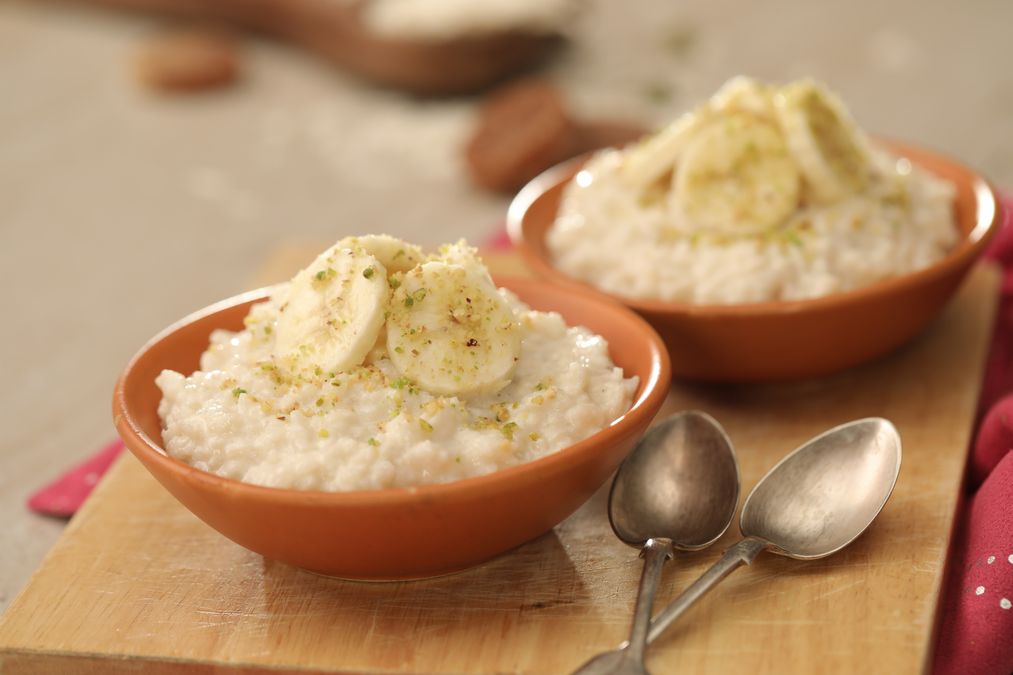
Saun 15, also known as Khir Day, is being celebrated across Nepal with the traditional dish of khir, a sweet rice pudding prepared with milk. The day reflects Nepal's rich food culture and the long-standing tradition of enjoying seasonal foods during the monsoon.
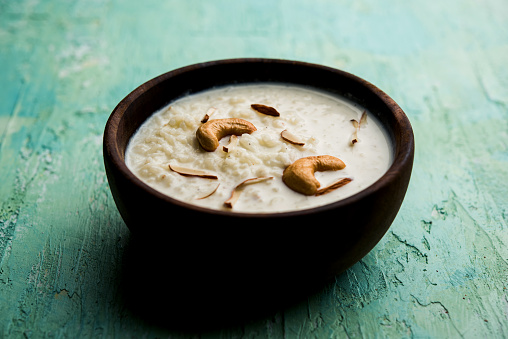
Saun 15 holds a special place in Nepali culture. On this day, families traditionally prepare and eat khir, a popular dish made primarily from milk and rice, often enriched with sugar, spices, dry fruits, and other ingredients.
The tradition of eating seasonal foods on specific days is deeply rooted in Nepali society. While Asar 15 is associated with dahi-chiura (curd and beaten rice), Saun 15 is traditionally celebrated by eating khir. Similar food traditions continue throughout the year, reflecting Nepal's diverse cultural and agricultural heritage.
Why Do Nepali People Eat Khir on Saun 15?
Saun falls during Nepal's monsoon season, when rainfall is frequent and agricultural activities are taking place across the country.
Khir is traditionally considered a nutritious and comforting food during the rainy season. Prepared with hot milk and rice, the dish is often enjoyed by families as part of their seasonal food traditions.
In rural communities, Saun is also a time when agricultural work begins to slow down in some areas. The abundance of green grass provides increased feed for cattle, including cows and buffaloes, which traditionally contributes to greater milk availability.
Because of this seasonal abundance, families have historically prepared milk-based foods such as khir and shared them with relatives, married daughters, and other family members.
Khir and Its Religious Significance
Khir is known as Payas or Payasam in Sanskrit and has an important place in Hindu religious and cultural traditions.
It is traditionally regarded as a sattvic food and is mentioned in ancient religious traditions and rituals. Khir made from cow's milk is also prepared during various religious ceremonies and ancestral rituals, including Shraddha.
Saun is considered a sacred month dedicated to Lord Shiva, and milk and milk-based products have an important place in worship and religious offerings.
Some cultural experts believe that the tradition of eating khir during the middle of Saun may be connected to the religious significance of the month and the cultural importance of milk. However, there is no clear scriptural evidence specifically establishing Saun 15 as the day to eat khir.
The practice is therefore generally understood as a combination of Nepal's seasonal food culture, agricultural traditions, and religious customs.
Different Types of Khir
Although rice khir is the most commonly known variety, Nepali households prepare khir in several different ways.
Depending on local traditions and available ingredients, khir can be prepared using:
- Rice
- Sago (sabudana)
- Vermicelli
- Corn
- Carrots
- Other grains and ingredients
In many parts of Nepal, green corn is plentiful during the monsoon season. As a result, corn-based khir is also prepared and enjoyed by some families during Saun.
Sago is also traditionally included among foods associated with fasting and religious observances, making it another popular ingredient for preparing khir.
Khir in Nepali Food Culture
The Nepali food calendar includes several traditional days associated with specific dishes.
For generations, families have followed traditions such as:
- Asar 15: Dahi-chiura (curd and beaten rice)
- Saun 15: Khir
- Bhadau 15: Roasted corn
- Poush 15: Ghiu-khatte
- Magh 15: Malpuwa
These traditions often involve preparing special foods at home, inviting relatives and married daughters, and sharing meals together.
Such customs are more than simply food traditions. They represent family relationships, community bonding, seasonal celebrations, and Nepal's close connection with agriculture.
What Is Khir?
The Nepali Brihat Shabdakosh describes khir as a delicious food prepared by cooking rice, sugar, spices, and other ingredients in milk. It is also known by traditional names such as Payas and Tasmai.
The basic preparation typically involves cooking rice slowly in milk until it reaches a thick and creamy consistency. Sugar and ingredients such as cardamom, nuts, dried fruits, or other spices may be added according to personal and regional preferences.
The dish is enjoyed both as a traditional festival food and as a popular dessert in Nepali households.
National Khir Day in Nepal
The National Dairy Development Board has promoted Saun 15 as Khir Day to highlight the cultural and nutritional importance of milk and dairy products.
According to information shared by the board, processed milk contains approximately 3 percent fat, 4.7 percent lactose, and 3.5 percent protein. It has also highlighted the nutritional energy obtained from milk as part of the importance of dairy consumption.
This year marks the eighth Khir Day being observed in Nepal.
The celebration also aims to promote the consumption of milk and dairy products while recognising the contribution of Nepal's dairy sector.
Saun 15: A Celebration of Food, Family and Culture
For many Nepali families, Saun 15 is more than a day to eat khir. It is an opportunity to preserve cultural traditions and bring family members together.
The practice of preparing special seasonal foods and sharing them with relatives reflects Nepal's diverse cultural heritage. These traditions have continued through generations, connecting modern Nepali families with their agricultural and social roots.
As Nepal celebrates Saun 15 as Khir Day, the tradition of preparing and sharing khir continues to represent the country's rich food culture, family values, religious traditions, and seasonal way of life.
Whether prepared with rice, corn, sago, or other ingredients, khir remains a beloved part of Nepali culinary heritage—and Saun 15 provides a special occasion for families across the country to celebrate this traditional dish together.
React to this post
Related Articles