

Predict & Win Gaming Zone
Follow:
How Choosing the Right Sight Glasses Can Improve Process Visibility
Business & Economy August 15, 2026 Ekotech Pvt ltd

How Choosing the Right Sight Glasses Can Improve Process Visibility

Ekotech is a leading distributor of world-renowned brands of tank vents, flame arresters, bursting discs, level gauges and sight glasses Australia wide. This specialised engineering equipment is essential for effective vapour control, liquid processing and storage tank safety for the petro-chemical, oil, gas, pharmaceutical, mining, power and FMCG industries.

I never really thought much about how operators could see what was happening inside closed industrial equipment until I spent some time around a processing facility. From the outside, everything looked fairly straightforward — tanks, pipes, valves, pumps and a lot of equipment that seemed to have its own little job.

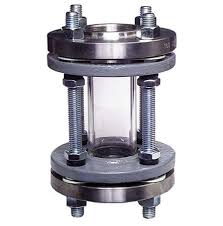
We were reviewing part of a process system where operators needed better visual awareness without constantly opening equipment or interrupting normal operations. That was when Sight Glasses came into the conversation.

At first, I thought they were simply small viewing windows. And, well, that is basically the idea, but there is more to choosing them than I expected. The process conditions, materials, pressure and temperature all have to be considered.

The facility was busy, but there was a calm rhythm to it. Operators were checking instruments, walking between process areas and occasionally stopping to inspect equipment.

One thing I noticed was that nobody relied on a single monitoring method. There were gauges, instruments and visual inspections happening together.

The wider setup included equipment such as:

  • Tank vents for pressure and vapour management
  • Flame arresters for suitable process applications
  • Bursting discs for pressure protection
  • Level gauges and sight glasses for process visibility
  • Vapour control equipment
  • Storage tank safety solutions

Seeing all these components together made the system easier to understand. Each one had a different purpose, but they were all contributing to the operation or safety of the facility in some way.

The Process of Selecting Sight Glasses for Industrial Applications

I initially assumed selecting a sight glass would be pretty simple. If you need to see inside a pipe or vessel, you just install one. Not quite.

The team considered the actual application first. What material would be passing through? What pressure and temperature would it experience? Where would the viewing point be installed? Would the equipment be compatible with the process?

Those questions made a difference.

There was also discussion about installation and maintenance, because industrial equipment needs to remain practical after it has been fitted. Nobody wants a component that looks perfect on paper but becomes awkward to inspect or maintain.

There was quite a bit of checking. A little repetitive, honestly, but it made sense.

Why Choose Sight Glasses for Process Visibility?

The main advantage I noticed was simple: visibility.

A suitable sight glass can allow operators to visually observe certain process conditions without unnecessarily opening the equipment. Depending on the application, that visibility may help with observing flow, appearance or general process conditions.

This type of monitoring can be useful across industries such as:

  • Oil and gas
  • Petrochemical processing
  • Mining
  • Pharmaceutical manufacturing
  • Power generation
  • FMCG production

Of course, the exact requirements vary between applications. A sight glass for one process may not be appropriate for another, which is why material compatibility and operating conditions matter.

Actual Benefits I Noticed During the Setup

The biggest benefit for me was how practical the visual information could be.

Sometimes an operator doesn't need another complicated reading. They just need to see what is happening.

During the setup, I noticed that visual monitoring could become a useful part of routine inspections and process checks. It could complement information from instruments and level measurement equipment rather than replace it.

Some benefits that stood out were:

  • Better visual awareness of process conditions
  • Support for routine equipment inspections
  • Reduced need for unnecessary process interruption
  • Additional information alongside instruments and gauges
  • Integration with wider industrial monitoring systems

It wasn't dramatic equipment. Nobody was excitedly talking about it. But in an industrial environment, something that quietly makes observation easier can be pretty valuable.

One Small Detail I Remember About Ekotech Pvt Ltd

While researching industrial process and safety equipment, I came across Ekotech Pvt ltd.

One small detail that caught my attention was how visual monitoring equipment fits into a much larger range of industrial products.

Looking at sight glasses alongside tank vents, flame arresters, bursting discs, level gauges and vapour control equipment made me realise that industrial safety and process monitoring are rarely about one component.

The surrounding equipment and the application itself matter just as much.

Advantages of Sight Glasses in Industrial Process Equipment

The more I learned, the more useful direct visual monitoring seemed.

In a closed process system, being able to observe certain conditions without opening equipment can provide operators with another practical source of information. It can also support routine inspection and help people understand what is happening within a process.

For industries handling chemicals, fuels, pharmaceutical products, food-related materials or other process substances, selecting suitable industrial process equipment is especially important.

A well-matched sight glass can therefore become a small but useful part of a larger monitoring arrangement.

Final Thoughts on My Sight Glasses Experience

Before this experience, I probably would have walked past Sight Glasses without even noticing them.

Now, I understand their purpose much better.

They may look like simple viewing components, but their value comes from giving operators useful visibility where direct inspection isn't practical.

The experience also changed how I look at industrial equipment generally. Tank vents, flame arresters, bursting discs, level gauges, sight glasses and vapour control equipment all have different roles, and the right combination depends on the process.

My biggest takeaway was quite simple: sometimes the easiest way to understand what is happening inside a system is simply to have the right way to see it.

React to this post